

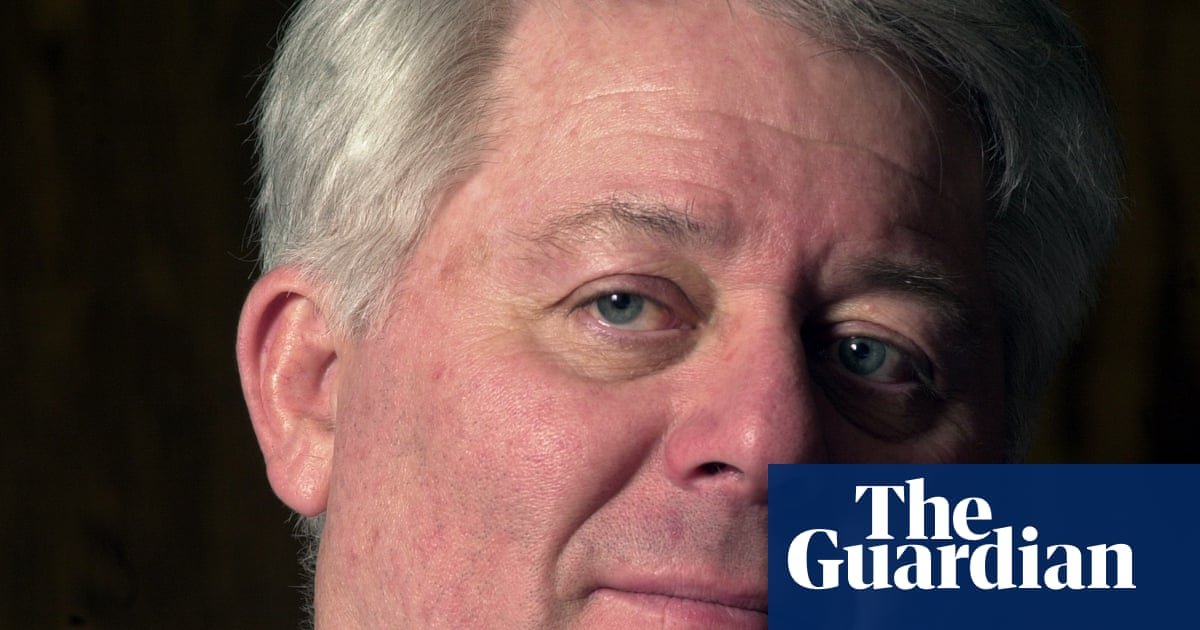
A key whistleblower in the tobacco industry’s landmark trials of the 1990s has been watching big tech’s recent court battles closely. Jeffrey Stephen Wigand, a biochemist who helped reveal how tobacco companies targeted children and hid just how addictive cigarettes were, has been struck with a feeling of familiarity. Last week’s verdict in a major social media trial that Meta and YouTube deliberately designed addictive products has only strengthened comparisons to the legal crackdown on big tobacco. Wigand sees it, too. His first thought, as he learned about the litigation in California, was that social media companies, through their advertisements, were trying to addict children – much like the tobacco industry did.
A Los Angeles jury found Meta and YouTube to be negligent last week. Plaintiffs’ lawyers relied heavily on internal documents and correspondence to demonstrate that company leadership dismissed concerns about how features of social media could be harmful. Meta was also found liable in a separate trial in New Mexico, alleging that it had failed to prevent child sexual exploitation. These verdicts are the first time Meta has been found liable for how its products affect young people – after years of criticism, much of it from angry parents who feel social media harmed their children’s mental health.
Whistleblowers, such as former Meta employee Arturo Béjar, have played an instrumental role in the social media cases. Over the years, they have provided important internal documents about the inner workings of tech giants, strengthening the argument these companies didn’t do enough to protect children.
Wigand played a similar role in the 90s, with regards to the tobacco industry. He was hired in 1989 by the tobacco company Brown & Williamson (B&W) to develop a safer cigarette. As vice-president of research at the tobacco company, he raised concerns about a carcinogenic substance in cigarettes that he says were dismissed by leadership. He was eventually fired, and the program to create a safer cigarette was scrapped. After Wigand’s boss told Congress he believed cigarettes were not addictive, Wigand publicly declared the industry was a “nicotine delivery business” and helped the federal government in its investigations.
The Guardian spoke to Wigand about the parallels he sees between the tobacco and social media trials and his advice for tech workers thinking about becoming whistleblowers.
This interview has been edited for length and clarity.
Take me back to the 90s; what did it mean for you to publicly declare that the tobacco industry knew and hid the harmful effects of smoking? All these years later, would you have done anything differently?
No. I felt uncomfortable knowing that I was participating in the addiction of children. And I decided that I needed to do something. I had read a report from the National Toxicology Program that one of the additives in cigarettes – coumarin – had a carcinogenic property. I wrote to B&W’s CEO, warning him that this substance, and our products, could cause cancer. He told me to find a substitute for coumarin but eventually decided that taking it out of cigarettes made the product less tasty – and that we would lose consumers. They had filled the whole place with people who followed the company mantra, and I broke ranks with them.
So let’s come to the present. What was your first thought as you started following these high-profile social media trials?
The first thought was addiction.
What made you so sure?
I looked at these social media companies and how they target their ads. They’re meant for adolescents. That was clearly in their own documents.
The tobacco industry – similar to social media companies – intentionally addicted people, especially children, so they could use them as cashflow. When you start getting addicted, you need more and more of the chemical that gives you the high. They deliberately and intentionally develop programs that attack the vulnerabilities of our children.
It sounds like you’re saying the bottom line for tobacco and social media is the same.
Yes.
Can you elaborate on that? Big tech critics have hailed the social media verdict as a “big tobacco moment”. What are some of the key similarities and differences?
It’s certainly different. Tobacco is something that’s burned and consumed. What they see on the screen is electronic transmissions.
Social media companies knew it was addictive. They knew they had to create a base that was easy to manipulate. They chose children, just like the tobacco companies.
What is it about children that makes them so vulnerable?
Brain development. Children – especially young ones – have a very malleable brain. It’s easy to get into it. In addiction, you build up tolerance: you need more and more and more to continue the same feeling.
In the tobacco case, were the allegations of harm focused on young people?
Much of the case was focused on children. Do you think that Joe the Camel was for a 25-year-old adult? They used psychologists to develop the packaging. They had icons that played into a child’s brain. They’re an easy target. If you look at some of the old documents in the industry, it’s children they want. Why have a cartoon advertising cigarettes?
How soon after legal action did we see reforms in the tobacco industry, and what could that tell us about the road ahead for social media companies?
There are safeguards and guardrails that can be put up regarding age and content. It’s the same as tobacco: we can try to increase the age at which young people have access to social media. The tobacco industry today is in a much better position than it was in 1996. [Many social media platforms set the minimum age for an account to 13, but they have been criticized for not doing enough to ensure younger children are not on their platforms.]
As a child, it’s hard to understand what’s harmful. They think: if it’s entertaining and it feels good, why shouldn’t I keep on doing it? That’s the problem with addiction. It locks you into a pattern of behavior, where you have to constantly seek out the substance that makes you feel good.
Some observers have said they’re happy to see big tech held accountable, but worry that this could eventually fuel limits on social media in a way that infringes on free speech. What do you think?
That’s always an issue when you have corrective action. I don’t use Facebook or YouTube. It doesn’t appeal to me. I have no problem using Google or AI chat, when I’m looking for specific information. I never let my kids get involved with social media though. I always considered it evil.
Is there anything you want to add about the parallels around industry ignoring internal research about harms to health?
I had intimate knowledge that showed how B&W used lawyers to sequester documents that would be inflammatory. The company edited documents to take out anything that suggests harm. What really sank the ship was the documents they have internally that talk about how to addict users.
Now, how far is social media going to go? I think they can enact some logical steps that put guardrails on access for children. It’s also a pretty hefty chunk of change that they’re going to have to give up.
This opens the door to even more payouts, right?
I don’t think it’s the end point. Social media knew what it was doing all along and expected to get away with it.
In both of these cases, we have whistleblowers like yourself who have come out against the companies that they used to work at. What are the challenges that people face when they do decide to become a whistleblower?
I have had ex-Secret Service agents protect me and my family 24/7. They opened my mail because I got death threats. So did my family. My children couldn’t ride their bicycle anywhere they wanted.
I earned nothing from this. I got nothing out of the settlement, other than the belief that now I’ve done my moral duty. Once I learned all the intricacies of the tobacco industry, the more I felt uncomfortable and, in fact, dirty. I was involved directly in creating harm and death. And that bugged me a lot. At the end of the day, I helped the Department of Justice hold the cigarette industry accountable: $365bn worth. Now, has it changed totally? No, the tobacco industry has a new way of doing it. Now they have nicotine pouches and EZ-puffs and other tricks they have to continue delivering what they know is the essence of the business: nicotine.
What message would you have for people inside tech companies who may be considering becoming a whistleblower?
You have to balance out: what is your career worth, versus what your soul or character is worth. I was raised Christian. That is part of my core, my DNA. My message to other people who see what the industry is doing is to come forward. The greatest thing you can do is save other people’s lives. I would say if you’re thinking about becoming a whistleblower, think carefully and hard. Because your life will never, ever be the same and you have to prepare for that financially, emotionally, psychologically. It’s a difficult decision because for most whistleblowers, they put themselves in harm’s way to benefit somebody else. And feel good about that. I’ve done what I believe is right, too.
That’s very powerful. Is there anything I didn’t ask you?
People should consider their role in creating harm. Do they feel that they have a negative impact as a programmer or a project manager? They have to consider what they’re doing. I never thought I would be creating harm when I went to B&W. I went there to develop a safer cigarette. That’s what they asked me to do. They took my medical experience of two decades and applied it to a product that, when used as intended, can not only kill its user but also harm innocent bystanders. That was never my intent.
