

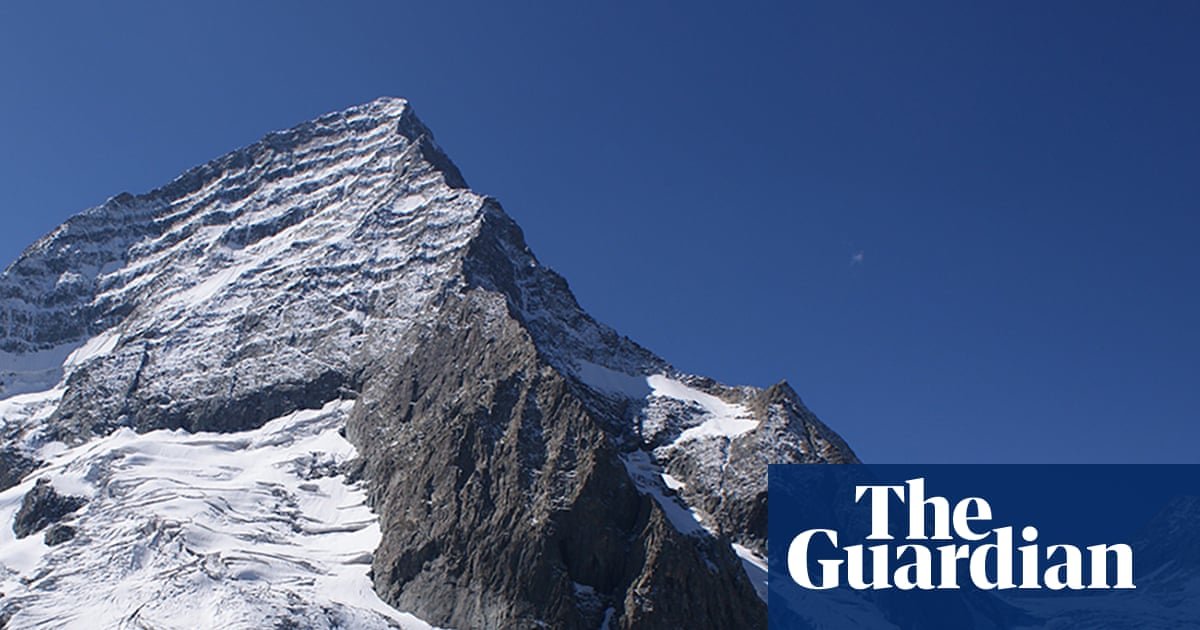
From the slopes above Pahalgam, the Kolahoi glacier is visible as a thinning, rumpled ribbon of ice stretching across the western Himalayas. Once a vast white artery feeding rivers, fields and forests, it is now retreating steadily, leaving bare rock, crevassed ice and newly exposed alpine meadows.
The glacier’s meltwater has sustained paddy fields, apple orchards, saffron fields and grazing pastures for centuries. Now, as its ice diminishes, the entire web of life it supported is shifting.
Alpine flowers bloom earlier, confusing pollinators. Musk deer and ibex lose grazing grounds, and snow leopards are increasingly spotted near villages as they run out of food to hunt.
For scientists, Kolahoi represents one of the most dramatic ecological changes in the region. Shepherds report shrinking grasslands and shifting streams that affect livestock.
“Even the animals seem confused by the changing landscape,” says Mohammad Siraj Khan, a 55-year-old shepherd.
We couldn’t irrigate even half the crop. This didn’t happen even during the worst years of the 1990sAbdul Gani Dar, farmer
Historical records show that Kolahoi has been shrinking since the mid-19th century. A 2020 satellite assessment found it had lost almost a quarter of its area over nearly six decades, while its snout had retreated about 900 meters since 1978. Between 1980 and 2018, agricultural land in the glacier’s Lidder watershed fell by almost 40%, reflecting the direct link between glacial retreat and water availability.
“This glacier is the lifeline of the Lidder and Sind rivers,” says researcher Labeeb Gulzar. “Its loss could reshape the future of Kashmir’s water, agriculture and ecosystems.”
The changing glacier could reshape rivers, such as the Lidder, which in turn affects agricultural land and surrounding ecosystems. Photograph: Yawar Nazir/Getty Images
The shifts are transforming landscapes and communities across the region, says Dr Talib Bashir Bhat, a research scholar at Sher-e-Kashmir University of Agricultural Sciences and Technology of Kashmir (Skuast). “Changes in glacier melt and snowline elevation alter river flows, affecting irrigation, orchards and pastures, linking the glacier directly to biodiversity and livelihoods.”
He says alpine plants face changes as lower-elevation species move into newly exposed land, altering the delicate balance of ecosystems.
Rising temperatures and pollution from vehicles, wood burning and construction all darken the ice, accelerating its melt. Deforestation and growing tourist infrastructure in the upper catchment have worsened the problem.
For local farmers, the changes are tangible. “The canal dried up by late June, much earlier than usual,” says Abdul Gani Dar, from Pulwama.
“We couldn’t irrigate even half the crop. This didn’t happen even during the worst years of the 1990s. Now the snow is gone, and the streams vanish before summer starts.”
Scientific observations underline these concerns. Prof Shakil Ahmad Romshoo, vice-chancellor of the Islamic University of Science and Technology, says Kolahoi’s mass balance is highly sensitive to temperature. “For every 1C rise, it loses about 0.65 metres of ice thickness annually,” he says.
Now and then slider of the retreating glacier in 2007 and 2015The snout of the Kolahoi glacier in 2007 and 2015, when rocks are visible
All 18,000 glaciers in Jammu, Kashmir and Ladakh are melting, and the pace of retreat is increasing.
“We have lost 25-30% of glaciers in the past 60 years and could lose up to 70% by the end of this century if the trend continues,” says Dr Irfan Rashid, assistant professor at the University of Kashmir. He says projections indicate a temperature rise of 4C to 7C by century’s end, making further retreat inevitable.
The habitat of the Kashmir stag, or hangul, is being degraded as the glacier shrinks. Photograph: Hindustan Times/Sipa USA/Alamy
Animal habitats are being lost as the makeup of vegetation shifts. Only about 7% of the western Himalayas is now suitable musk deer habitat, and this may shrink further by 2030 due to grazing and deforestation.
“Human activity is shrinking the spaces where musk deer can survive,” says forest guard Danish Ahmad.
The Kashmir stag, or hangul, has also been affected, says Dr Mir Muskan Un Nisa, who studies forestry at Skuast.
“Shrinking glaciers change water systems, forests and grasslands, causing wetlands to dry and vegetation patterns to shift,” she says.
“These changes degrade habitats that the hangul relies on for food and shelter. Reduced water availability and altered climatic conditions push animals closer to human settlements, increasing risks of conflict, poaching and habitat loss. Glacial melting threatens the survival of sensitive species and disrupts the balance of ecosystems in the region.”
The pattern is mirrored across the Himalayas. In Nepal, the Yala glacier has lost more than 66% of its volume and is expected to vanish by 2040.
Researchers build a weather station on Yala glacier, which has lost more than two thirds of its volume. Photograph: Jitendra Raj Bajracharya/ICIMOD/Reuters
Across mountain ranges, ice loss creates a new world: rivers that run earlier in spring, alpine meadows colonised by pioneer species, and wildlife adjusting to shrinking habitats. Some species retreat upward, others move toward villages, and humans adapt to water shortages and changing landscapes. The glacier’s fading ice is not just a retreat of frozen water but a reminder of the interconnectedness of water, wildlife and human life in Kashmir.
Each summer, the silence above Pahalgam deepens: fewer birds, fewer grazing animals, less snow.
Find more age of extinction coverage here, and follow the biodiversity reporters Phoebe Weston and Patrick Greenfield in the Guardian app for more nature coverage
