

Unlock the Editor’s Digest for free
Roula Khalaf, Editor of the FT, selects her favourite stories in this weekly newsletter.
Saudi Arabia’s sovereign wealth fund plans to shift management of a Red Sea tourist island away from its Neom desert development, as Crown Prince Mohammed bin Salman’s more than $500bn mega-project undergoes a shake-up after a series of setbacks.
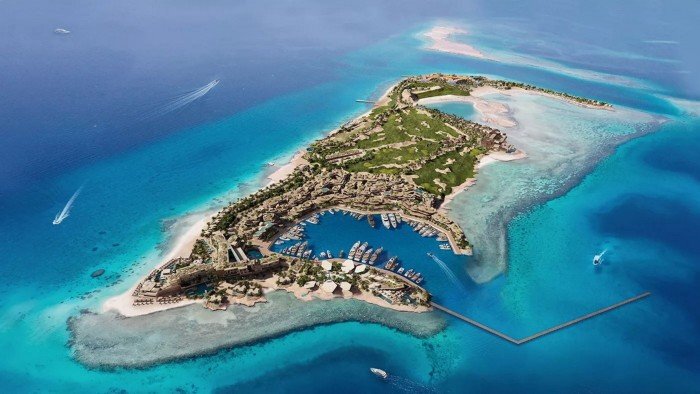
Red Sea Global, another subsidiary of the Public Investment Fund and which has opened similar resorts, is set to take over the ultra-luxury development on Sindalah island, according to two people familiar with the matter.
Sindalah, which is designed to include a marina for luxury yachts and a golf club, was supposed to open in early 2024. It had a soft opening to an exclusive group of investors and VIP guests in October that year, but has yet to open to the public.
Neom’s chief executive Nadhmi al-Nasr was abruptly removed from his position a month after Sindalah’s soft launch. Neom’s projects have been plagued by delays, management controversies and running over budget.
After Nasr was replaced, the new chief executive Aiman al-Mudaifer launched a “comprehensive review” of all Neom’s projects, which is expected to lead to some being halted, delayed or scaled back.
Red Sea Global’s experience in successfully launching tourism projects has convinced decision makers that the company is better placed to manage Sindalah while Neom focuses on its other projects, said the people familiar with the matter.
The Red Sea resorts and Sindalah are part of efforts to expand tourism to diversify the Saudi economy away from its dependence on oil under the kingdom’s Vision 2030, which the crown prince launched in 2016.
Neom covers an area the size of Belgium along the Red Sea in the kingdom’s north-west, stretching up to the borders of Jordan and Egypt.
A digital illustration of the futuristic 170km-long city in Neom called The Line © NEOM
In addition to Sindalah and other proposed tourist resorts along the Gulf of Aqaba, Neom includes a futuristic 170km-long city called The Line, a coastal industrial zone known as Oxagon and a ski resort called Trojena that is set to host the Asian Winter Games in 2029.
The FT reported last month that officials discussed finding alternative countries to host the event due to the challenges of delivering the Trojena complex on time without substantially increasing its budget.
The Line is also being scaled back from its highly ambitious targets.
By contrast, Red Sea Global has opened several resorts over the past two years, including luxury properties operated by the Ritz-Carlton and the St Regis.
The company, led by Canadian-born executive John Pagano, is planning to open three more resorts on its Shura Island development later this month. The resorts attracted around 50,000 visitors last year — well below their initial 300,000 target, according to Pagano.
The PIF has consolidated assets under its different subsidiaries similarly in the past. In 2022, the fund merged its leisure centres company SEVEN with Qiddiya, which is developing a massive entertainment complex to the west of Riyadh. Amaala, a wellness-focused resort, was merged into Red Sea Global last year.
Executives of PIF companies have been under growing pressure to deliver results as the kingdom seeks to maintain the momentum of its diversification programme amid lower oil prices.
Neom and Red Sea Global declined to comment.
