
Close Menu

    Subscribe to Updates

    Get the latest creative news from FooBar about art, design and business.

    What's Hot

    When the right denies the true danger of heatwaves, ask yourself this: whose children’s lives is it willing to risk? | George Monbiot

    ‘I was devastated’: the Nigerian with albinism deported under Trump’s asylum crackdown | Global development

    Return of the ‘greybeards’: AI backfired – so Ford had to rehire humans | AI (artificial intelligence)

    Facebook X (Twitter) Instagram
    Facebook X (Twitter) YouTube LinkedIn
    Naija Global News |
    Wednesday, July 1
    • Business
    • Health
    • Politics
    • Science
    • Sports
    • Education
    • Social Issues
    • Technology
    • More
      • Crime & Justice
      • Environment
      • Entertainment
    Naija Global News |
    You are at:Home»Health»Kent’s meningitis outbreak taught me that post-Covid Britain is not as divided as many feared | Devi Sridhar
    Health

    Kent’s meningitis outbreak taught me that post-Covid Britain is not as divided as many feared | Devi Sridhar

    onlyplanz_80y6mtBy onlyplanz_80y6mtMarch 30, 2026004 Mins Read
    Share Facebook Twitter Pinterest LinkedIn Tumblr Email
    Kent’s meningitis outbreak taught me that post-Covid Britain is not as divided as many feared | Devi Sridhar
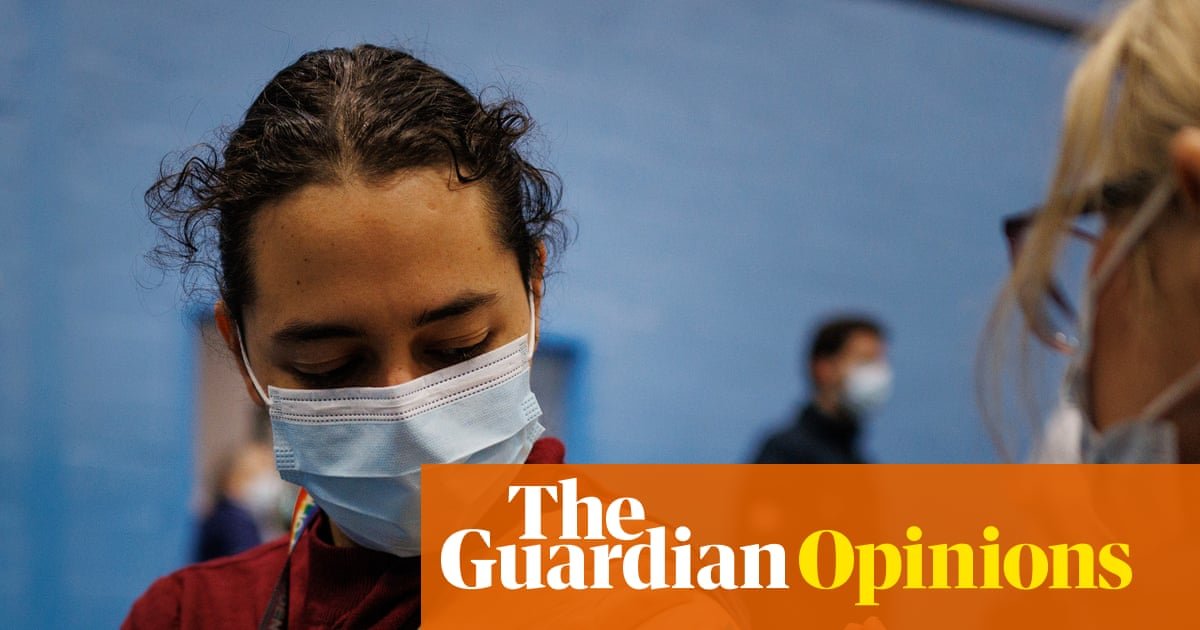
    A student receives the meningitis B vaccine at the University of Kent, Canterbury, March 2026. Photograph: Dan Kitwood/Getty Images
    Share
    Facebook Twitter LinkedIn Pinterest Email

    Roughly six years ago, the UK went into its first lockdown as an emergency response to Covid-19. Since then, the government’s many Covid policies, from severe restrictions on our movement to the test-and-trace debacle, have been picked apart. One of the questions I am most often asked is whether we’re better prepared for the next pandemic. It’s been tricky to answer. Although we learned much from the experience that should mean we’re better placed next time around, the stringent measures taken from 2020 to early 2022 have contributed to a backlash against public-health interventions, scientific research and vaccines, which coincides with declining trust in government after various political scandals.

    Colleagues and I have often wondered: if we did face another disease spreading in Britain, would anyone listen to experts? Or is the public too far gone in its fatigue and distrust? So when the health alarm bells started ringing about an outbreak of meningitis in Kent, there was concern about what this would mean in terms of the public response.

    I have to say I’ve been pleasantly surprised so far. The absence of wider transmission and unlinked cases – where the source of infection is unknown – suggests that containment measures have worked. The government’s public-health response, led by the UK Health Security Agency (UKHSA) – from identifying the causal agent (meningitis B), to linking cases to the source of the outbreak (a nightclub), to tracing those exposed and offering antibiotics prophylactically – was coordinated, speedy and, so far, looks to have been effective.

    Once researchers at UKHSA laboratories identified the exact bacterial cause, and then validated the vaccine for effectiveness against the Kent strain, a targeted vaccination campaign was launched focusing on those most at-risk. The health secretary, Wes Streeting, has said that he will convene technical experts to decide whether a further rollout of the MenB vaccine across the population is necessary. While there were some initial missteps, such as delays in initial reporting by the NHS to UKHSA, the government messaging was largely clear in outlining the response, providing practical guidance on symptoms and encouraging people to seek medical care from the NHS. We rarely say good job to politicians or government agencies, so here’s a chance to say that to Wes and UKHSA.

    But the real story for me is not just the competence of the public-health response but the willingness of individuals and communities to engage with it. Young people, often seen to be the least compliant demographic, followed the guidance on antibiotics and vaccination efforts, as well as reducing social mixing while the outbreak was brought under control. They even went further than formal guidance, with reports suggesting mask-wearing. Far from showing fatigue or apathy towards government intervention, many across the country sought more information and expertise from government, as well as demanding more vaccination clinics for young people. If anything, it appears that Covid has made the public more alert to the danger of infectious disease and the need to contain it.

    For experts and policymakers, as well as the general public, there are a couple of hopeful takeaways. First, it’s important not to conflate online algorithms or controversial anti-vax social media influencers with people at large. Second, people have a strong instinct to protect themselves and those around them from disease, and look to government for direction, public-health teams for action and experts for independent evidence. Third, while it’s easy to talk about a “broken Britain”, as if we’re a fractured, divided society, an even more important narrative is one about “community-minded Britain”: Kent showed that cooperation in the face of shared health risks remains intact. From this one outbreak, we’ve been reminded that, deep down, we do still care for each other.

    Britain Devi divided feared Kents meningitis outbreak postCovid Sridhar Taught
    Share. Facebook Twitter Pinterest LinkedIn Tumblr Email
    Previous ArticleBrent crude hits $116 a barrel as Trump threatens to ‘blow up’ Iran’s oil wells and export hub | Oil
    Next Article Questions Raised Over Claims of Vacant Space at ED
    onlyplanz_80y6mt
    • Website

    Related Posts

    When the right denies the true danger of heatwaves, ask yourself this: whose children’s lives is it willing to risk? | George Monbiot

    July 1, 2026

    UK poll highlights fears about access to emergency contraception | Contraception and family planning

    July 1, 2026

    Frequent AI chatbot users more likely to believe anti-vaccine myths, poll finds | Technology

    June 30, 2026
    Add A Comment
    Leave A Reply Cancel Reply

    Top Posts

    The science influencers going viral on TikTok to fight misinformation

    February 17, 20262 Views

    Watch Lady Gaga’s Perform ‘Vanish Into You’ on ‘Colbert’

    September 9, 20251 Views

    Advertisers flock to Fox seeking an ‘audience of one’ — Donald Trump

    July 13, 20251 Views
    Stay In Touch
    • Facebook
    • YouTube
    • TikTok
    • WhatsApp
    • Twitter
    • Instagram
    Latest Reviews

    At Chile’s Vera Rubin Observatory, Earth’s Largest Camera Surveys the Sky

    By onlyplanz_80y6mtJune 19, 2025

    SpaceX Starship Explodes Before Test Fire

    By onlyplanz_80y6mtJune 19, 2025

    How the L.A. Port got hit by Trump’s Tariffs

    By onlyplanz_80y6mtJune 19, 2025

    Subscribe to Updates

    Get the latest tech news from FooBar about tech, design and biz.

    Most Popular

    The science influencers going viral on TikTok to fight misinformation

    February 17, 20262 Views

    Watch Lady Gaga’s Perform ‘Vanish Into You’ on ‘Colbert’

    September 9, 20251 Views

    Advertisers flock to Fox seeking an ‘audience of one’ — Donald Trump

    July 13, 20251 Views
    Our Picks

    When the right denies the true danger of heatwaves, ask yourself this: whose children’s lives is it willing to risk? | George Monbiot

    ‘I was devastated’: the Nigerian with albinism deported under Trump’s asylum crackdown | Global development

    Return of the ‘greybeards’: AI backfired – so Ford had to rehire humans | AI (artificial intelligence)

    Recent Posts
    • When the right denies the true danger of heatwaves, ask yourself this: whose children’s lives is it willing to risk? | George Monbiot
    • ‘I was devastated’: the Nigerian with albinism deported under Trump’s asylum crackdown | Global development
    • Return of the ‘greybeards’: AI backfired – so Ford had to rehire humans | AI (artificial intelligence)
    • In the United States, Every World Cup Team Is a Home Team
    • UK poll highlights fears about access to emergency contraception | Contraception and family planning
    © 2026 naijaglobalnews. Designed by Pro.
    • About Us
    • Disclaimer
    • Get In Touch
    • Privacy Policy
    • Terms and Conditions

    Type above and press Enter to search. Press Esc to cancel.