

March 11, 2026
2 min read
Add Us On GoogleAdd SciAm
FDA declines to approve drug touted by Trump as a treatment for autism
The FDA on Tuesday approved leucovorin as a treatment for a rare genetic condition, not for autism, as the Trump administration had suggested
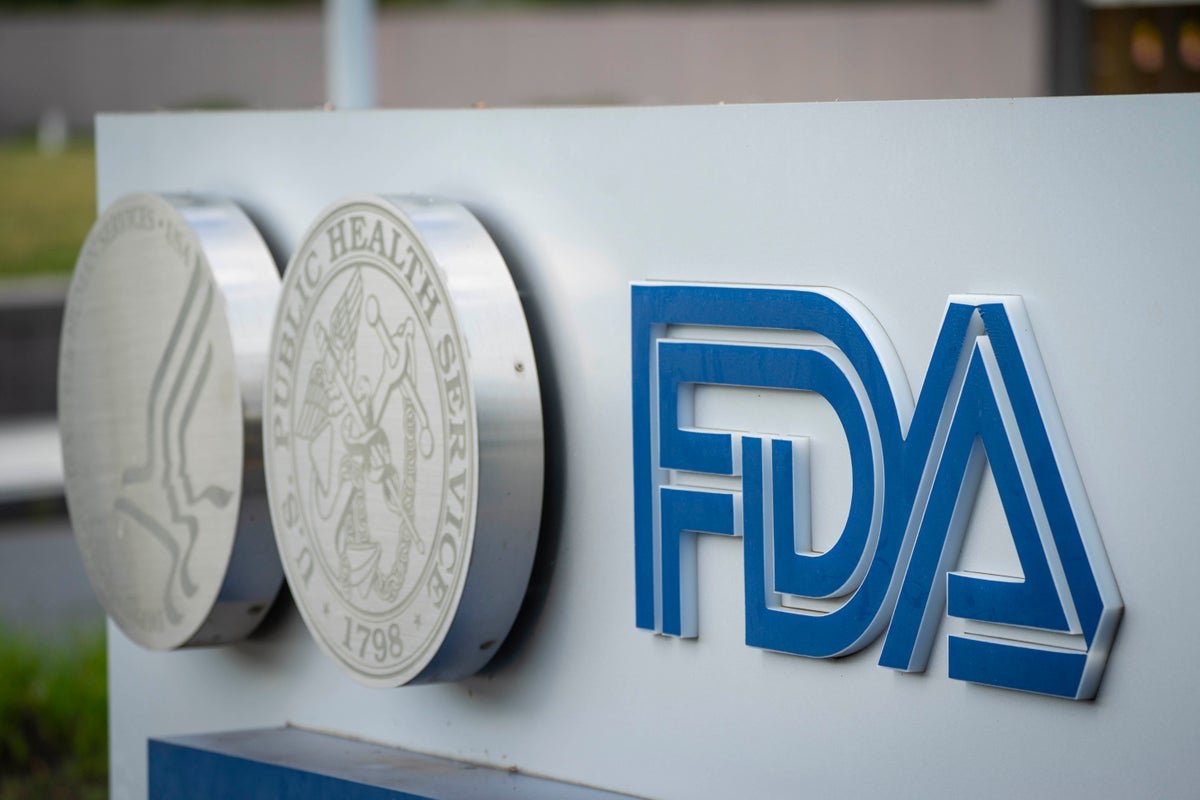
Sarah Silbiger/Getty Images
The U.S. Food and Drug Administration on Tuesday approved leucovorin, a synthetic form of vitamin B9, as a treatment for a rare genetic condition that causes folate deficiencies in the brain. The decision comes just months after U.S. president Donald Trump, Secretary of Health and Human Services Robert F. Kennedy, Jr., and FDA chief Marty Makary lauded the drug as a treatment for autism. After a scientific review, the FDA, which falls under Kennedy’s oversight, determined that there weren’t enough data to support that use of the drug.
“Autism is not caused by a folate deficiency,” says David Mandell, a professor of psychiatry at the University of Pennsylvania, who studies autism. “The data suggesting so are outdated and weak.”
Leucovorin is typically used to manage cancer patients’ side effects from chemotherapy. But last September Makary said the FDA would move to make the drug “available to children with autism.” Now the agency has approved its use for cerebral folate deficiency—a rare genetic condition that may affect fewer than one in a million people, though its true prevalence is unknown. It is caused by a mutation on the FOLR1 gene and can produce some similar symptoms to autism, such as communication issues. But autism is a separate condition, and a broad diagnosis. Although it can sometimes be tied to specific genetic factors, many researchers believe autism has no single cause.
On supporting science journalism
If you’re enjoying this article, consider supporting our award-winning journalism by subscribing. By purchasing a subscription you are helping to ensure the future of impactful stories about the discoveries and ideas shaping our world today.
“There is a strong rationale for prescribing leucovorin for this specific condition,” says Helen Tager-Flusberg, a psychologist and autism researcher at Boston University, adding that she was glad the FDA had been clear that there was no evidence to suggest it could treat autism. “[Cerebral folate deficiency] is a very different neurological disorder, and importantly the FOLR1 gene has never been association with autism,” she says.
The FDA’s decision is welcome, Mandell says, but it won’t undo the interest the Trump administration has raised in using the drug for treating autism. “Pandora’s box is already open,” he adds. Prescriptions for off-label leucovorin—that is, for using the drug to treat a condition it isn’t approved for—have skyrocketed among children by 71 percent after the officials touted its potential benefits for autism. Tager-Flusberg says that it remains to be seen how the FDA’s decision will affect off-label use.
“RFK, Jr.’s premature and ill-informed announcement that leucovorin can cure autism led many families to pay out of pocket for this drug when they could have been using that money for better purposes,” Mandell says. “Now these families are experiencing the whiplash that happens when politics and untested theories get ahead of science.”
It’s Time to Stand Up for Science
If you enjoyed this article, I’d like to ask for your support. Scientific American has served as an advocate for science and industry for 180 years, and right now may be the most critical moment in that two-century history.
I’ve been a Scientific American subscriber since I was 12 years old, and it helped shape the way I look at the world. SciAm always educates and delights me, and inspires a sense of awe for our vast, beautiful universe. I hope it does that for you, too.
If you subscribe to Scientific American, you help ensure that our coverage is centered on meaningful research and discovery; that we have the resources to report on the decisions that threaten labs across the U.S.; and that we support both budding and working scientists at a time when the value of science itself too often goes unrecognized.
In return, you get essential news, captivating podcasts, brilliant infographics, can’t-miss newsletters, must-watch videos, challenging games, and the science world’s best writing and reporting. You can even gift someone a subscription.
There has never been a more important time for us to stand up and show why science matters. I hope you’ll support us in that mission.
