

March 7, 2026
3 min read
Add Us On GoogleAdd SciAm
The surprising science behind why daylight saving time is good for wildlife
You might have a love-hate relationship with daylight saving time, but research shows that urban wildlife may stand to benefit
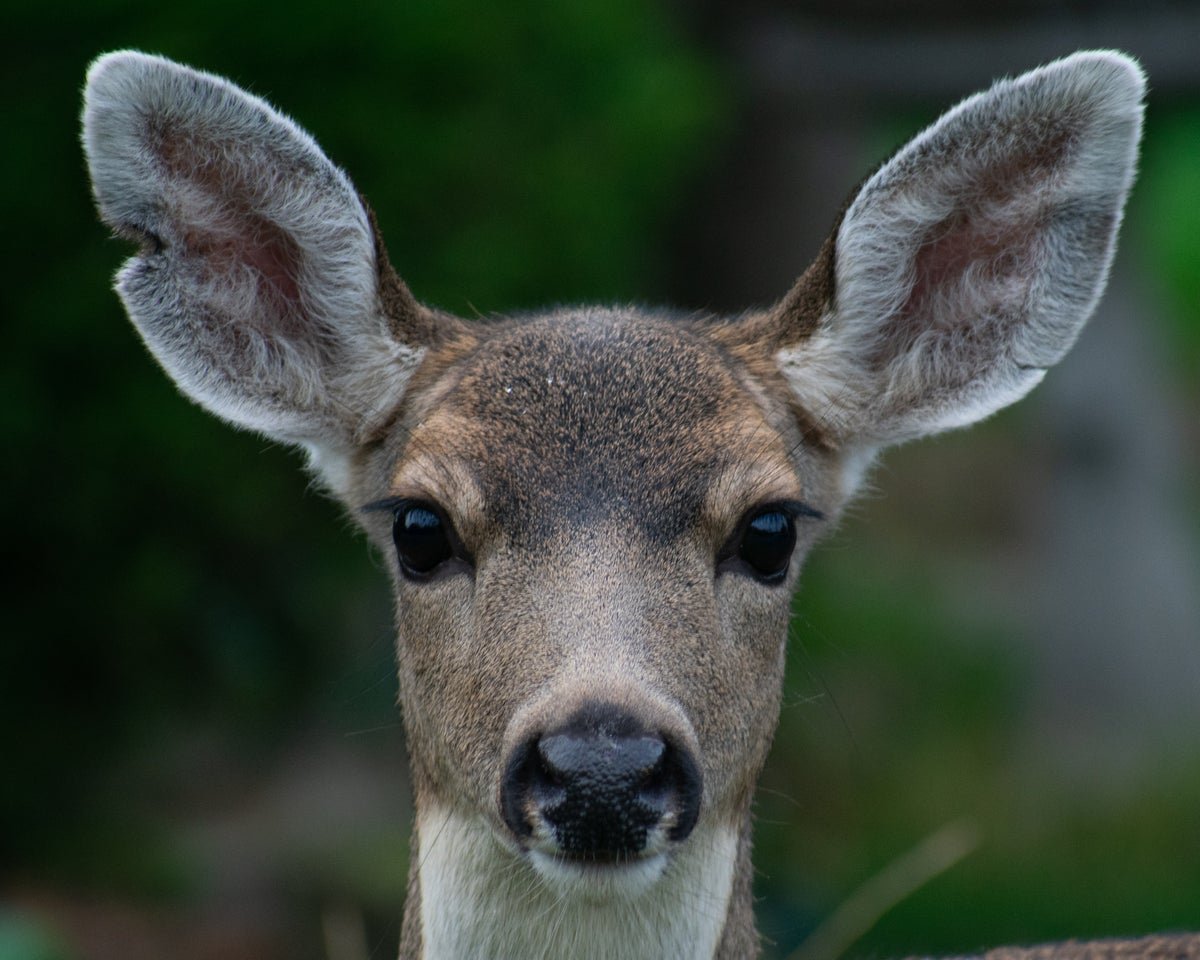
Ben Wehrman via Getty Images
Most people in the U.S. have a love-hate relationship with the switch to daylight saving time (DST). On the one hand, we lose an hour of sleep, which can disrupt circadian rhythms, leaving us feeling groggy and even potentially leading to deeper health issues. On the other hand, though, it also means longer, sunnier evenings and more daytime for outdoor activities. But what about other animals? Surprisingly, science suggests DST may be good for creatures that encounter humans—and, particularly, those that might encounter our cars.
In the U.S. alone, drivers may collide with deer as frequently as more than a million times a year, based on estimates compiled by the Federal Highway Administration, and other large animals—usually moose, elk and other ungulates—are often hit as well. These crashes frequently kill the animals and lead to hundreds of human deaths.
Animals’ risk of becoming roadkill depends on several factors, including how many vehicles are on the road, how many animals are on the road, and how animals and human drivers behave, explains Tom Langen, a professor of biology at Clarkson University, who studies animal-vehicle collisions. DST can minimize these collisions, however.
On supporting science journalism
If you’re enjoying this article, consider supporting our award-winning journalism by subscribing. By purchasing a subscription you are helping to ensure the future of impactful stories about the discoveries and ideas shaping our world today.
Human-animal crashes typically occur on Fridays because people are leaving town for the weekend; under full moons because deer are more likely to be on the move; during the fall deer mating season in North America; and at dusk.
“The animals get active right after dusk and start moving around, including crossing roads or browsing and grazing along roads, and that’s when they they’re hit by vehicles,” Langen says.
Setting the clocks back in the fall—pushing peak evening commuting hours closer to dusk or after the sun goes down—also drives up the odds of cars hitting animals. In a 2021 analysis of more than 35,000 deer-vehicle collisions in New York State, Langen and a co-author concluded that falling back to standard time from DST contributed to “far higher” accident rates, with the greatest increases on work days.
A 2022 study by researchers at the University of Washington concluded that permanently switching to DST could save roughly 33 human lives per year, prevent about 36,000 deer deaths from car crashes and reduce some of the $1 billion in costs associated with these collisions. Such costs include property damage and medical expenses.
“We were surprised to find that the increase in collisions that you get when it’s darker in the evening during standard time were not offset by reduced collisions in the morning,” says Laura Prugh, senior author of the 2022 paper and a professor of quantitative wildlife sciences at the University of Washington.
In fact, the rate of deer collisions was 14 times higher just after dark than before sunset—resulting in a “net increase” in deer collisions during standard time months, she says.
Setting the clocks forward in the spring means darker morning commutes but not much added risk for deer and other ungulates. That’s partially because deer tend to be less active in the spring, Langen says. But it’s also because evening commutes will mostly occur before dusk.
In other words, from a human perspective, daylight saving is a hit or miss, depending on who you ask. (And polling indicates that opinions on it are mixed.) But for animals like deer, a switch to permanent daylight saving time in North America would almost certainly reduce roadkill, Langen says.
And it’s not just deer and ungulates that are at risk—other mammals, including raccoons, skunks and foxes, are also active at dusk, Langen says. In Australia, research shows even koalas could see a benefit to a shift to permanent DST.
Ultimately, Langen recommends drivers stay safe by being aware of peak collision times year-round and keep in mind that animals often cross the road in groups. Staying alert near dusk is a good practice, too, Prugh adds.
“It’s important for drivers to be aware that encounters with animals can happen at any time, but there’s certain times when you’re particularly at risk,” Langen says.
It’s Time to Stand Up for Science
If you enjoyed this article, I’d like to ask for your support. Scientific American has served as an advocate for science and industry for 180 years, and right now may be the most critical moment in that two-century history.
I’ve been a Scientific American subscriber since I was 12 years old, and it helped shape the way I look at the world. SciAm always educates and delights me, and inspires a sense of awe for our vast, beautiful universe. I hope it does that for you, too.
If you subscribe to Scientific American, you help ensure that our coverage is centered on meaningful research and discovery; that we have the resources to report on the decisions that threaten labs across the U.S.; and that we support both budding and working scientists at a time when the value of science itself too often goes unrecognized.
In return, you get essential news, captivating podcasts, brilliant infographics, can’t-miss newsletters, must-watch videos, challenging games, and the science world’s best writing and reporting. You can even gift someone a subscription.
There has never been a more important time for us to stand up and show why science matters. I hope you’ll support us in that mission.
