

After a year of the administration of US President Donald Trump cancelling various climate programmes — crafted over decades using world-class research — the country’s Environmental Protection Agency (EPA) has removed the foundation that underpins federal climate policies. On 12 February, the EPA rescinded the Clean Air Act’s ‘endangerment finding’. The act states that the country’s greenhouse-gas emissions endanger US public health and welfare, and that the agency is obligated to act to limit their harm.
The US is quitting 66 global agencies: what does it mean for science?
This decision, which is being challenged by environmental and public-health groups in US federal court, would make people and businesses less safe, less prosperous and less secure. Nevertheless, many states and cities are pressing forwards, shifting to clean-energy technologies because they recognize that these are good for their economies and for jobs, and are more affordable.
The endangerment finding originated from a section of the Clean Air Act that deals with vehicle emissions. This section required the EPA to work out whether pollution from vehicles endangers public welfare. Once the agency made that determination in 2009 for greenhouse gases from vehicles, it used the same finding as the legal foundation for regulating emissions from various sources such as power plants, buildings and other forms of transport.
Now, the EPA has overturned the endangerment finding by repealing the country’s vehicle-emissions standards. This sets up a domino effect. If it no longer applies to vehicles, that undermines the legal basis for regulating emissions across all sectors.
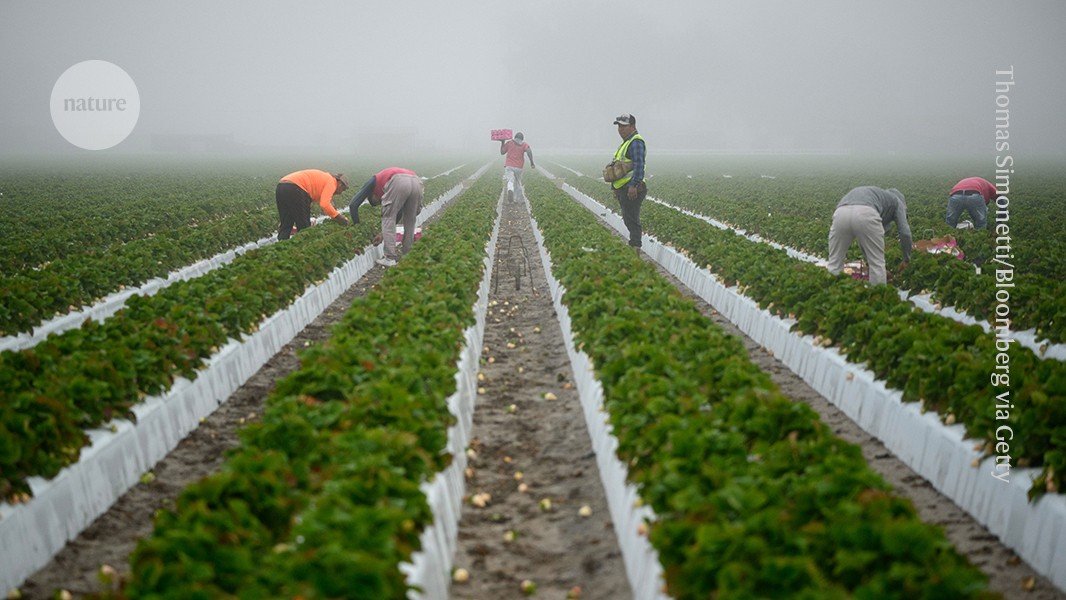
However, climate impacts are not just legal and academic. They are already pushing up food costs. Prices of beef are increasing because droughts in western states, intensified by rising temperatures, have reduced the sizes of usable grazing land and cattle herds. Thousands of hectares of vegetables in Florida and other southeastern states have been damaged by extreme cold snaps. Climate change is affecting food production by altering growth conditions and increasing the frequency of extreme-weather events. This has economic effects on both farmers and consumers.
To save lives in heatwaves, focus on how human bodies work
Families might face high energy bills, extra hospital visits and rising health-care costs, too, because of heatwaves and poor air quality. Insurance premiums for households will probably rise as climate disasters become more frequent and severe. In some areas, coverage is becoming harder to obtain and afford, affecting housing costs.
Rising numbers of floods, fires and droughts will strain communities’ water and energy systems. Some areas might become uninhabitable, because they are too expensive, unstable or dangerous to live in. The costs of infrastructure repairs, emergency responses and displacement add up.
