

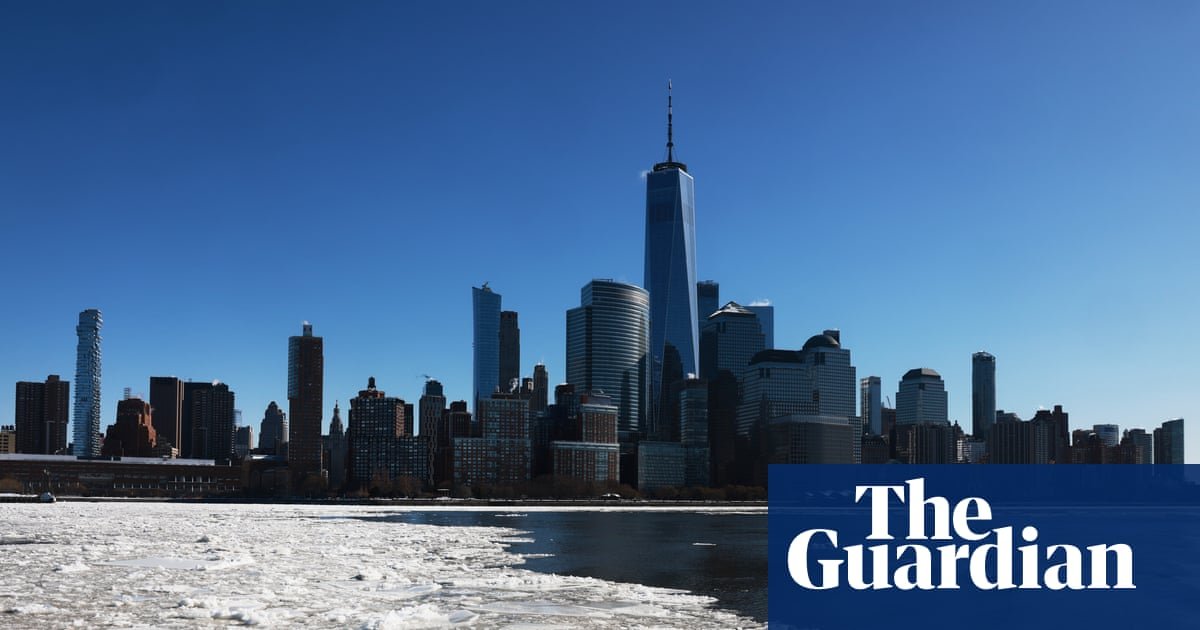
The death toll related to New York City’s dangerous and enduring cold has risen to 18, officials said on Sunday.
The climbing number of fatalities came as a stark reminder of the danger of the subzero temperatures gripping the area, which has been subjected to one of the longest stretches of subzero cold since 1961.
The most recent death was a person found at about 9am on Saturday in the Bronx, a city hall official said. Separately, an 81-year-old Brooklyn man was found dead on the roof of his apartment building, where the police believe he slipped on ice while carrying a bag of groceries, according to officials.
The freezing conditions in question have been a departure from the most recent winters for New Yorkers. In 2020, the city was classified as a humid subtropical climate zone. But the past few weeks have felt anything but tropical.
On 19 January, New York City officials declared what they refer to as a “code blue” due to the severe cold. The declaration prohibits anyone from being denied access to a shelter, and it restricts police from blocking people from sheltering in the subway system. Homeless outreach teams also actively canvass the streets, focusing on vulnerable, unsheltered individuals – and non-emergency 311 calls are routed to emergency 911.
Over the weekend, temperatures in the Big Apple reached new lows, with some parts of Antarctica being warmer than the city. The National Weather Service (NWS) said the temperatures have been running 10 to 15F below average, with lows around 5F (-15C) and winds causing the “feel like” temperatures to as low as -20F (-29C). Cold that severe can lead to hypothermia and frostbite in as little as 15 minutes.
An extreme cold warning was issued from 6pm on Saturday until 1pm on Sunday, marking the first time the alert has been used since it was created in 2024.
The deaths during the Arctic blast have been an early test of Zohran Mamdani’s mayoral administration. Ahead of the weekend freeze, Mamdani’s office announced that 60 new hotel rooms would be opened to shelter unhoused individuals, along with 62 warming centers. And during his Friday press briefing, Mamdani made a personal plea to those that were considering braving the cold.
“To those who may consider themselves more comfortable on the streets, I want to speak directly to you,” he said. “Come inside. These temperatures are too low and too dangerous to survive.”
