

Unlock the White House Watch newsletter for free
Your guide to what Trump’s second term means for Washington, business and the world
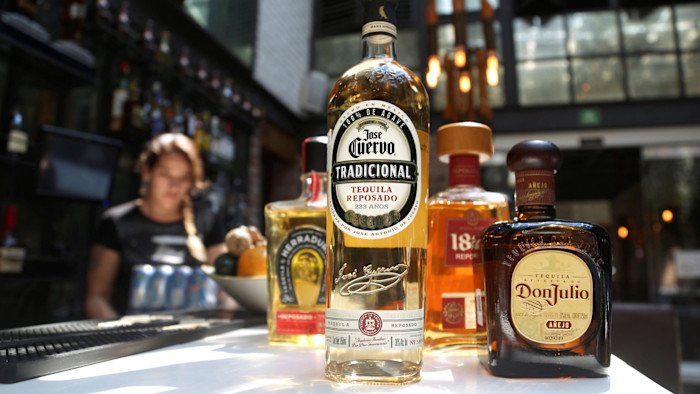
The world’s biggest tequila producer said that anxiety and insecurity felt by Hispanic consumers in the wake of the US’s immigration crackdown was weighing on sales of the popular spirit.
“The tension of the immigration policies has created a very difficult atmosphere with consumers, especially with immigrants, with Hispanics, [who] obviously make up a big portion of our particular business,” said Lander Otegui, head of marketing at Proximo Spirits, the US distribution arm for Jose Cuervo maker Becle.
Otegui said that since the intensification of the US administration’s immigration policies throughout 2025, as well as recent raids in states such as Michigan and Minnesota, Hispanic immigrants were choosing to stay home.
“Consumers are afraid, even [if they] are legal. You’re just afraid because you don’t want to get in trouble . . . So they don’t want to go out to restaurants. They don’t want to go out to bars.”
Companies from Constellation Brands to French beauty giant Coty have highlighted soft sales among Hispanic consumers as a result of deportation fears over the past year.
The tensions are compounding already weak consumer demand for spirits in the US. Sales have fallen as drinkers trade down after a period of soaring inflation or cut back their alcohol consumption over health concerns.
In the three months to the end of December, the volume of tequila Becle sold in the US and Canada fell 6.4 per cent compared to the year before, while sales revenues fell 12.2 per cent, reflecting the more competitive pricing environment.
Besides tequila, sales of other drinks popular with Hispanics such as the Mexican beer Modelo Especial have also fallen © Stephen Zenner/SOPA/LightRocket/Getty Images
Otegui said that some consumers were scared to go shopping for groceries because ICE agents had targeted supermarkets popular with Hispanic consumers.
The company found that older immigrants living illegally in the US were sending their children out to do grocery shopping for them, but those under the age of 21 were unable to buy tequila.
In addition to immigration tensions, Otegui said that pressure to lower prices amid discounting by competitors was weighing on the industry, as well as major disruption to the country’s spirits distribution network. The US’s second largest distributor, Republic National Distributing Company (RNDC), shut down operations in California, citing rising costs.
Tequila sales in the US fell 6.5 per cent year-on-year in December, according to NielsenIQ, compared to a drop of 13 per cent in Scotch whisky and 11.5 per cent in cognac.
“The general atmosphere is very, very delicate right now, and there’s a lot of tension. So people just say, I would rather stay home. And when people stay home they tend to consume less,” Otegui said.
Constellation Brands, which sells popular Mexican beer Modelo Especial in the US, reported a 3 per cent drop in beer sales by its distributors in the three months to November 30.
“Seventy five per cent of the Hispanic consumers are very concerned about the socio-economic environment and they’re being much more careful about their spending patterns, spending much more on what you would call consumer essentials versus other categories,” said Bill Newlands, Constellation chief executive.
Newlands added that beer sales were weakest in neighbourhoods where Hispanic consumers make up more than a fifth of residents. “You see a lot of volatility state by state depending on what is going on with immigration policy in particular markets,” he said.
Procter & Gamble has also singled out sluggish sales in the US. Broker TD Cowen downgraded the home and personal care company’s stock on Tuesday, in part because of what it said was pressure on Hispanic consumers.
“After decades of capitalising on the expansion of the Hispanic population in the US and their growing economic prosperity, we expect new US limitations on immigration to pose a significant challenge for P&G and the [home and personal care sector] going forward,” TD Cowen analyst Robert Moskow said in a note.
