

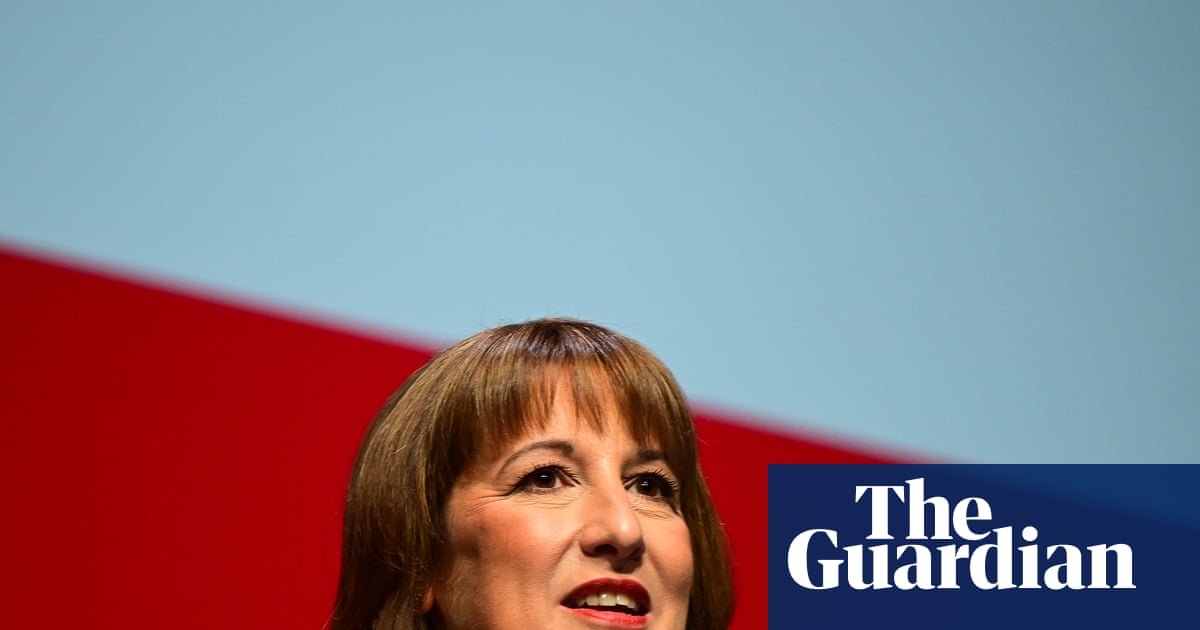
Rachel Reeves has said she “can’t leave welfare untouched” this parliament, with the Treasury understood to be considering axing up to £1bn in tax breaks for a scheme providing cars for disabled people.
The chancellor set out her thinking on welfare before next month’s budget in an interview, having previously said she would need to make cuts and raise taxes.
“We can’t leave welfare untouched,” she told Channel 4 News when asked about changes to the benefit system. “We can’t get to the end of this parliamentary session and I’ve basically done nothing … We have to do reform in the right way and take people with us.”
The government had to abandon billions of pounds in cuts to disability benefits earlier this year after a revolt by Labour backbenchers, but it is still pressing ahead with cuts for future claimants of the health element of universal credit from April 2026.
It is now understood to be considering removing tax breaks for the Motability scheme, under which disabled people are exempt from VAT and insurance premium tax on cars subsidised by the government.
Whitehall sources said the ending of tax exemptions was under consideration but that no decision had been taken. They downplayed the idea of reducing the eligibility criteria for Motability cars, but said the option of scrapping the VAT and insurance premium tax exemptions was “more likely”.
Another change under consideration is the idea of removing luxury brands such as BMW and Mercedes from the scheme, under which a minority of claimants top up with an advance to get a more premium car. These premium brands only make up 40,000, or about 5%, of the 800,000 Motability cars.
Adding VAT and insurance premium tax to the Motability car’s price tag would mean more claimants would need to make an advance payment for their cars. Estimates suggest it could bring in about £1.2bn, although Whitehall sources suggested it would not be likely to raise as much as that.
Although not a direct cut to the benefits bill, further attempts to reduce tax exemptions for the Motability scheme would still be controversial, with critics warning the Treasury to listen to the concerns of disabled people.
James Taylor, the director of strategy at the charity Scope, said it could “heap extra costs on to disabled people all over Britain”. “Motability is a cost-effective way for disabled people to be able to use adapted cars. Often these cars need to be able to accommodate equipment, carers, and disability related aids,” he said.
“Life costs more if you are disabled. Energy and day-to-day living costs remain stubbornly high across the board. The government shouldn’t be looking to ramp up costs on disabled people. They could leave more disabled people isolated, and less able to get into work.”
Emma Vogelmann, the co-chief executive of the disability group Transport for All, said: “As disabled people we often find public transport is unusable – broken pavements, nonexistent bus routes, and packed stations we can’t navigate. A Motability car changes that – it allows us to work, shop, and do the school run. Scaling back the scheme would lock disabled people away from daily life. Does the chancellor want to take away our freedom?”
Cuts to the Motability scheme have previously been backed by the Conservatives. Helen Whately, the shadow work and pensions secretary, said on Friday that the chancellor was “following our lead”.
“I’m glad she’s been keeping an eye on our welfare announcements, but the government should be doing much more to fix welfare and reform the Motability scheme,” she said.
“Motability should be there for people with serious disabilities. That’s why the Conservatives would stop people with low-level mental health problems and neurodiversity – like mild depression and ADHD – getting free cars. We would also put an end to taxpayers funding luxury cars on Motability, instead ensuring every penny goes towards supporting genuinely disabled people.”
skip past newsletter promotion
Our morning email breaks down the key stories of the day, telling you what’s happening and why it matters
Privacy Notice: Newsletters may contain information about charities, online ads, and content funded by outside parties. If you do not have an account, we will create a guest account for you on theguardian.com to send you this newsletter. You can complete full registration at any time. For more information about how we use your data see our Privacy Policy. We use Google reCaptcha to protect our website and the Google Privacy Policy and Terms of Service apply.
after newsletter promotion
Rather than giving people “free cars”, the Motability scheme allows disabled people to use their personal independence payment (Pip) to lease new cars for three years. The scheme is run by a private company, overseen by a charitable foundation, that buys new cars then leases them to claimants for three years before selling them on.
Rachael Maskell, a Labour MP who was one of the strongest critics of the government’s abandoned disability cuts, said the “government must adopt a process of co-production [involving disabled people] and then follow the evidence … Random top-slicing or cuts often cost more in the long run”.
A Treasury spokesperson said: “We do not comment on speculation around changes to tax outside of fiscal events.”
While Labour’s attempts to cut disability benefits were largely abandoned earlier this year, government sources suggested the chancellor continues to believe the system is unsustainable in its current form and in some cases disincentivises people from seeking work.
Reeves is expected to introduce a significant package of tax increases and spending cuts in her 26 November budget to offset a downgrade in the Office for Budget Responsibility (OBR) forecasts for economic growth.
The Institute for Fiscal Studies (IFS) said on Thursday that the chancellor could be forced to look again at welfare savings alongside tax rises. The IFS said options could include scrapping the pensions triple lock, a fresh drive to cut health-related and disability benefits, and limiting growth in spending on special educational needs.
The OBR reviewed its forecasting model over the summer and is expected to say the public finances look £10-20bn weaker than it believed at the time of Reeves’s spring statement. The chancellor has expressed irritation at the timing of this review, which she believes would have been better done immediately after last year’s general election or in 2023.
As well as tackling this deterioration, the chancellor must also deal with the £7bn cost of the U-turns on winter fuel and welfare. Reeves is hoping to build up more “headroom” against her fiscal rules, to avoid being buffeted by the bond markets.
Government borrowing costs fell to their lowest level since July on Friday after Reeves’s comments on tax and spend appeared to reassure investors.
