

September 9, 2025
3 min read
A ‘Make America Healthy Again’ Report Goes Easy on the Food Industry
A childhood health report led by RFK, Jr., links poor diet, chemicals, inactivity and “overmedicalization” to worsening U.S. pediatric health
Chip Somodevilla/Getty Images
Criticisms of the food industry have gone mute in a second White House report on improving childhood health—where they have been replaced by a lengthy list of research questions on the problem and calls for deregulating small farms. Widely anticipated since the May publication of an initial “Make America Healthy Again” (MAHA) report on the subject, White House revisions had delayed the new version.
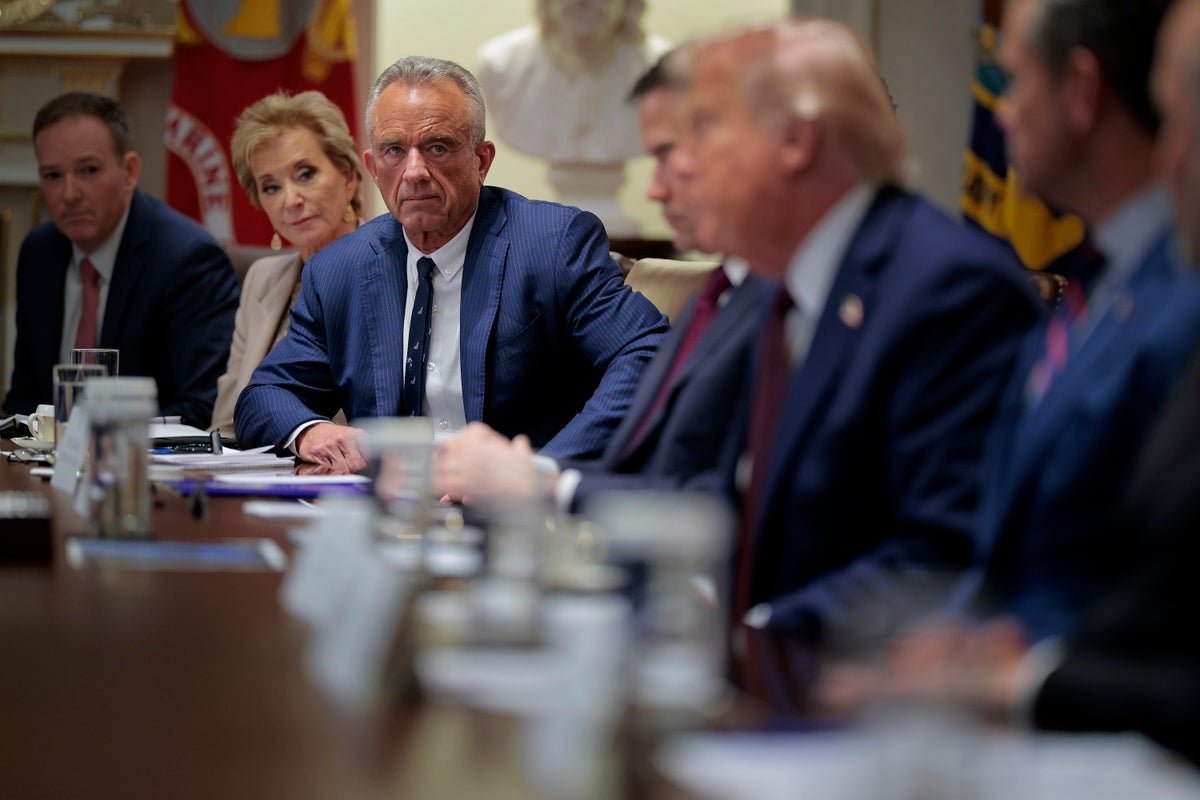
Released on September 9, this “Make Our Children Healthy Again Strategy” report comes from a commission that has been led by the U.S. Department of Health and Human Services’ secretary Robert F. Kennedy, Jr., and has included White House officials and other agency heads. It cites poor diet, chemicals, inactivity and “overmedicalization” to explain a decline in U.S. children’s health.
In its introduction, the 20-page report says that it “outlines a strategic approach for executive actions to address the childhood chronic disease crisis through advancing research, realigning incentives, increasing public awareness, and fostering private sector collaborations.”
On supporting science journalism
If you’re enjoying this article, consider supporting our award-winning journalism by subscribing. By purchasing a subscription you are helping to ensure the future of impactful stories about the discoveries and ideas shaping our world today.
Initially, the report offers a litany of 23 suggested research programs, ranging from studies on the effects of electromagnetic radiation and on the use of artificial intelligence for detecting cancer in young people to a research program on vaccine injuries. It also includes a list of some 35 policy changes, ranging from developing “MAHA Boxes” of food for participants of the Supplemental Nutrition Assistance Program (SNAP) to improving “regulatory processes” for over-the-counter sunscreen, all described in a few sentences. It then calls for the deregulation of whole-milk sales in schools, mobile grocery stores and small farms, among other agency actions. Finally, it calls for public awareness campaigns on childhood health, better exercise and nutrition, among other topics.
“The report has a lot of ideas for actions that really could improve health but is short on specifics and weak on regulatory action,” says New York University nutrition expert Marion Nestle. “Its overriding message is still ‘more research needed.’ It does not say nearly enough about what needs to be done to improve the diets of America’s children.”
The first MAHA report similarly blamed increasing U.S. childhood obesity, diabetes and autism rates—as well as other ailments—on unhealthy foods, chemicals, excessive screen time and overmedication. Notably, it blamed the food, chemical-manufacturing and pharmaceutical industries for these problems. It also initially backed its claims with citations to multiple nonexistent studies and frequently misstated real study findings (in a manner redolent of artificial intelligence authorship). “Discovery of the fake citations also came just days after President Donald Trump unveiled an executive order that called for ‘Restoring Gold Science Standards’ to government activities,” Science magazine noted in May.
The new report takes a different tack, describing current pesticide review standards as “robust” and calling for further study of “overprescription trends” in medicine. Farm industry groups such as the American Soybean Association had complained about “erroneous representations” in the May MAHA report. Rather than railing against “ultra-processed foods,” the new report calls for the distant goal of defining them. And as noted above, the dairy industry gains a call for the removal of restrictions on whole-fat milk in schools. The September report also calls for improving the application process for farm-to-school grants without noting that, for this year, the Trump administration canceled such grants and eliminated a program to provide schools with food from local farms.
“In a sense the results were preordained and don’t differ from leaked drafts very much,” says Peter Lurie of the Center for Science in the Public Interest. The report is “a collection of the secretary [of HHS]’s pet peeves and half-baked science that doesn’t really get at the root causes of poor health in children.” Each of the policy changes or research programs proposed in the report deserves its own year or more of careful analysis, Lurie says, rather than presentation in a hastily assembled grab bag of ideas. “Scientifically, I think this report will soon be forgotten,” he adds. “Politically, it will live on.”
Ironically, the report echoes a 2010 effort led by then first lady Michelle Obama, Nestle notes. That campaign was, she adds, “greeted by outrage and disdain for ‘nanny-statism.’ So here’s the RFK, Jr., version of the nanny state.”
It’s Time to Stand Up for Science
If you enjoyed this article, I’d like to ask for your support. Scientific American has served as an advocate for science and industry for 180 years, and right now may be the most critical moment in that two-century history.
I’ve been a Scientific American subscriber since I was 12 years old, and it helped shape the way I look at the world. SciAm always educates and delights me, and inspires a sense of awe for our vast, beautiful universe. I hope it does that for you, too.
If you subscribe to Scientific American, you help ensure that our coverage is centered on meaningful research and discovery; that we have the resources to report on the decisions that threaten labs across the U.S.; and that we support both budding and working scientists at a time when the value of science itself too often goes unrecognized.
In return, you get essential news, captivating podcasts, brilliant infographics, can’t-miss newsletters, must-watch videos, challenging games, and the science world’s best writing and reporting. You can even gift someone a subscription.
There has never been a more important time for us to stand up and show why science matters. I hope you’ll support us in that mission.
