
Close Menu

    Subscribe to Updates

    Get the latest creative news from FooBar about art, design and business.

    What's Hot

    Beyond the strait: why attacks on Kargh Island could keep oil prices high | Oil

    Mining made this US tribal area a toxic wasteland. This Indigenous nation brought it back to life | Native Americans

    Row over tuition fees cut for European students threatens Starmer’s EU reset | Brexit

    Facebook X (Twitter) Instagram
    Facebook X (Twitter) YouTube LinkedIn
    Naija Global News |
    Sunday, March 15
    • Business
    • Health
    • Politics
    • Science
    • Sports
    • Education
    • Social Issues
    • Technology
    • More
      • Crime & Justice
      • Environment
      • Entertainment
    Naija Global News |
    You are at:Home»Health»US destruction of contraceptives denies 1.4m African women and girls lifesaving care, NGO says | Africa
    Health

    US destruction of contraceptives denies 1.4m African women and girls lifesaving care, NGO says | Africa

    onlyplanz_80y6mtBy onlyplanz_80y6mtAugust 7, 2025004 Mins Read
    Share Facebook Twitter Pinterest LinkedIn Tumblr Email
    US destruction of contraceptives denies 1.4m African women and girls lifesaving care, NGO says | Africa
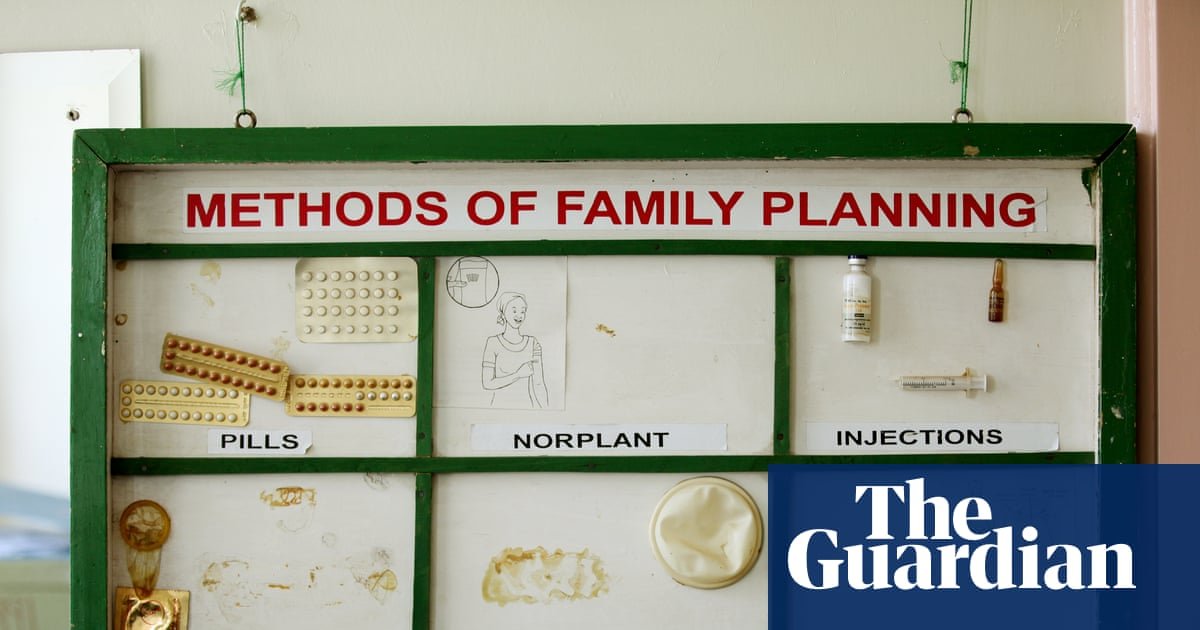
    A sign in a family care clinic in Kenya, where 108,000 women will not have access to contraceptive implants as a result of the US decision to incinerate its supplies. Photograph: Graeme Robertson/The Guardian
    Share
    Facebook Twitter LinkedIn Pinterest Email

    A decision by the US government to incinerate more than $9.7m (£7.3m) of contraceptives is projected to result in 174,000 unintended pregnancies and 56,000 unsafe abortions in five African countries.

    More than three-quarters of the contraceptives (77%) were destined for the Democratic Republic of the Congo, Kenya, Tanzania, Zambia and Mali, according to the International Planned Parenthood Federation (IPPF), an NGO global healthcare provider and advocate of sexual and reproductive rights.

    The contraceptives, many of which will not expire until 2027-29, had already been manufactured, packaged and ready for distribution. IPPF offered to take them for redistribution at no cost to the US taxpayer, but the offer was declined.

    Their destruction will deny more than 1.4 million women and girls in the five countries access to lifesaving care, IPPF said.

    Marie Evelyne Petrus-Barry, the Africa regional director of IPPF, said: “This decision to destroy ready-to-use commodities is appalling and extremely wasteful. These lifesaving medical supplies were destined to countries where access to reproductive care is already limited, and in some cases, part of a broader humanitarian response, such as in the DRC. The choice to incinerate them is unjustifiable.”

    As a result of the decision, more than 1m injectable contraceptives and 365,100 implants will not be distributed in Tanzania, 28% of the total annual need in the country.

    Dr Bakari, a project coordinator at Umati, IPPF’s member association in Tanzania, said: “We are facing a major challenge. The impact of the USAID funding cuts has already significantly affected the provision of sexual and reproductive health services in Tanzania, leading to a shortage of contraceptive commodities, especially implants. This shortage has directly impacted clients’ choices regarding family planning uptake.”

    In Mali, women will be denied access to 1.2m oral contraceptives and 95,800 implants, amounting to almost a quarter (24%) of the country’s annual need.

    In Zambia, women will go without 48,400 implants and 295,000 injectable contraceptives, while in Kenya 108,000 women will not have access to contraceptive implants.

    Nelly Munyasia, the executive director for the Reproductive Health Network in Kenya, said the impact of USAID cuts was already being felt in the country. Stockpiles of long-term contraceptives had already run out, she said, which will have drastic consequences on women’s health and their sexual and reproductive rights. Meanwhile, the skill set of health workers is being reduced and there is a 46% funding gap in Kenya’s national family planning programme.

    skip past newsletter promotion

    Nesrine Malik and Jason Okundaye deliver your weekly dose of Black life and culture from around the world

    Privacy Notice: Newsletters may contain info about charities, online ads, and content funded by outside parties. For more information see our Privacy Policy. We use Google reCaptcha to protect our website and the Google Privacy Policy and Terms of Service apply.

    after newsletter promotion

    “These systemic setbacks come at a time when unmet need for contraception remains high,” she said. “Nearly one in five girls aged 15 to 19 are already pregnant or has given birth. Unsafe abortions remain among the five leading causes of maternal deaths in Kenya.

    While the Kenyan constitution, adopted in 2010, allows for abortion when a pregnant person’s life or health is at risk, the Kenyan penal code of 1963 still criminalises it. Healthcare providers are reluctant to provide safe care while the penal code remains in place, even in emergencies. Munyasia said without adequate supplies of contraceptives there would be a rise in maternal mortality as a result of women seeking to end unintended pregnancies.

    Last month, a US state department spokesperson confirmed that the decision to destroy the contraceptives had been made. Amid reports that the contraceptives were due to be incinerated in France, the French government said it was “following the situation closely” after feminist, rights and family planning groups expressed outrage at the proposal.

    The department decided to destroy the contraceptives because it could not sell them to any “eligible buyers”, in part because of US laws and rules that prohibit sending US aid to organisations that provide abortion services, counsel people about the procedure or advocate for the right to it overseas, according to the state department spokesperson.

    1.4m Africa African Care contraceptives denies destruction Girls lifesaving NGO women
    Share. Facebook Twitter Pinterest LinkedIn Tumblr Email
    Previous ArticleAlief Picks Up Campbell X-Directed ‘Low Rider’ Ahead of Edinburgh
    Next Article China warns EV makers to stop price-cutting to protect the economy | Automotive industry
    onlyplanz_80y6mt
    • Website

    Related Posts

    How a ‘vacuum cleaner turned the other way’ became a popular solution to snoring disorders | Sleep

    March 15, 2026

    From childhood to midlife and beyond: how to handle anxiety at every age | Life and style

    March 15, 2026

    The one thing everyone gets wrong about feminism | Feminism

    March 15, 2026
    Add A Comment
    Leave A Reply Cancel Reply

    Top Posts

    Watch Lady Gaga’s Perform ‘Vanish Into You’ on ‘Colbert’

    September 9, 20251 Views

    Advertisers flock to Fox seeking an ‘audience of one’ — Donald Trump

    July 13, 20251 Views

    A Setback for Maine’s Free Community College Program

    June 19, 20251 Views
    Stay In Touch
    • Facebook
    • YouTube
    • TikTok
    • WhatsApp
    • Twitter
    • Instagram
    Latest Reviews

    At Chile’s Vera Rubin Observatory, Earth’s Largest Camera Surveys the Sky

    By onlyplanz_80y6mtJune 19, 2025

    SpaceX Starship Explodes Before Test Fire

    By onlyplanz_80y6mtJune 19, 2025

    How the L.A. Port got hit by Trump’s Tariffs

    By onlyplanz_80y6mtJune 19, 2025

    Subscribe to Updates

    Get the latest tech news from FooBar about tech, design and biz.

    Most Popular

    Watch Lady Gaga’s Perform ‘Vanish Into You’ on ‘Colbert’

    September 9, 20251 Views

    Advertisers flock to Fox seeking an ‘audience of one’ — Donald Trump

    July 13, 20251 Views

    A Setback for Maine’s Free Community College Program

    June 19, 20251 Views
    Our Picks

    Beyond the strait: why attacks on Kargh Island could keep oil prices high | Oil

    Mining made this US tribal area a toxic wasteland. This Indigenous nation brought it back to life | Native Americans

    Row over tuition fees cut for European students threatens Starmer’s EU reset | Brexit

    Recent Posts
    • Beyond the strait: why attacks on Kargh Island could keep oil prices high | Oil
    • Mining made this US tribal area a toxic wasteland. This Indigenous nation brought it back to life | Native Americans
    • Row over tuition fees cut for European students threatens Starmer’s EU reset | Brexit
    • How a ‘vacuum cleaner turned the other way’ became a popular solution to snoring disorders | Sleep
    • What Zootopia 2 gets right about the science of snakes
    © 2026 naijaglobalnews. Designed by Pro.
    • About Us
    • Disclaimer
    • Get In Touch
    • Privacy Policy
    • Terms and Conditions

    Type above and press Enter to search. Press Esc to cancel.