

Heatstroke and Extreme Heat can Hurt Health in the Long-Term, Too
The immediate harms of extreme heat are well documented, but a growing body of research suggests that heatstroke may have long-term health effects throughout the body
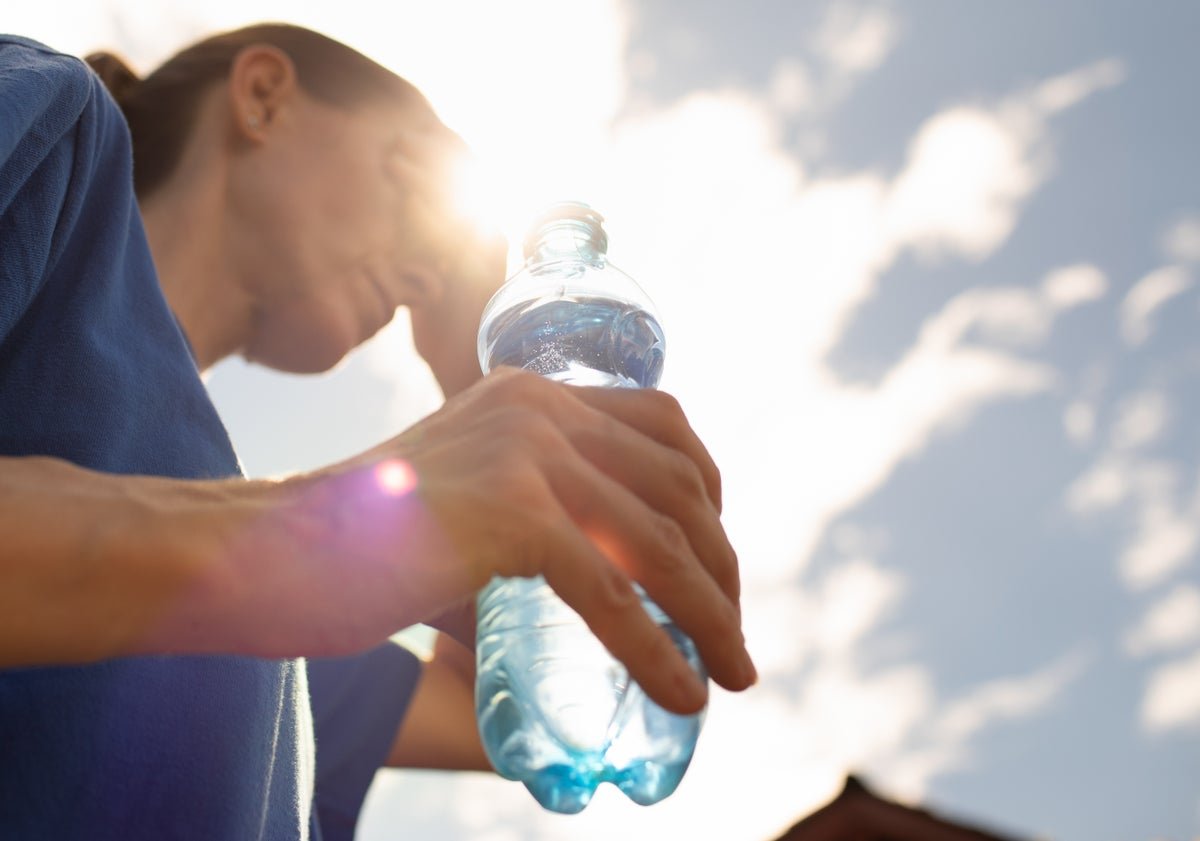
Heatstroke can sneak up on anyone, especially when exercising outside. Unfortunately, its effects can linger long after the initial symptoms are resolved.
A pleasant summer day spent hiking, playing beach volleyball or even running errands can turn nightmarish if heatstroke suddenly strikes. When the heat of the environment and a person’s body temperature are too high for too long, the chances of heatstroke skyrocket. The condition’s short-term effects are well known: heatstroke can lead to dizziness, nausea, elevated heart rate and even death. But scientists are just beginning to understand potential health issues seen further down the road, long after your body temperature gets back to baseline.
“Heat affects health more deeply than we often realize and not just during heat waves,” says Vivekanand Jha, a nephrologist and executive director of the George Institute for Global Health, India. “Everyday heat exposure adds up, especially for people with chronic illnesses or those doing [outdoor] physical work.”
Heat’s Lasting Tolls on the Body
On supporting science journalism
If you’re enjoying this article, consider supporting our award-winning journalism by subscribing. By purchasing a subscription you are helping to ensure the future of impactful stories about the discoveries and ideas shaping our world today.
Heatstroke typically happens when internal body temperature rises above 104 degrees Fahrenheit (40 degrees Celsius) and the heart can no longer maintain a stable internal body temperature. Blood oxygen levels decrease, circulation begins to fail, and an inflammatory response kicks in. While most people who recover from heatstroke feel back to normal within two days, heat can have insidious effects that linger in many parts of the body, including the kidneys, heart, brain and perhaps even the immune system.
Extreme or prolonged heat exposure over the course of days or weeks can be particularly dangerous for people with preexisting health conditions. For example, a 2024 study in the Lancet followed the health of people with chronic kidney disease living in the hottest countries—places with temperatures of 86 degree F (30 degrees C) or higher for more than 10.5 percent of the year. Those individuals experienced up to an 8 percent additional drop in kidney function each year compared with those living in temperate climates.
“Heat affects health more deeply than we often realize and not just during heat waves.” —Vivekanand Jha, nephrologist, George Institute for Global Health
Even for healthy individuals without preexisting conditions, extreme heat exposure might wreak havoc on the brain. Heatstroke in particular has been associated with specific types of long-term cognitive impairment, including aphasia, and damage to neurons in the cerebellum, hippocampus and midbrain. Little is known about the lingering effects on the brain, but this neuron damage could be associated with headaches, motor speech disorders and lack of muscle coordination observed in some heatstroke survivors.
Heat may have lasting negative effects on learning outcomes in young people, according to a review study published on Wednesday in PLOS Climate. Using a dataset of nearly 14.5 million students across 61 countries, researchers found that long-term heat exposure especially weakens students’ learning of complex subjects, including mathematics. The good news is that air-conditioning and ventilation seem to mitigate this heat-associated learning loss.
The heart also seems to undergo lingering stress after heatstroke. Studies have shown that previously healthy people have an increased risk of cardiovascular diseases—including ischemic heart disease, heart failure and atrial fibrillation—after experiencing heatstroke. Heart dysfunction appears to be a leading cause of heatstroke-induced deaths in the long term.
How to Stay Safe in the Heat
Despite the valid long-term concerns over heatstroke, research has shown that getting some exposure to heat can prove helpful for the average healthy person as long as it doesn’t escalate, says Jennifer Vanos, a biometeorologist at Arizona State University. “It actually can make us more resistant to heat,” she says. “Physiologically, by safely exposing ourselves, we can become more acclimatized.”
Some conditions, such as combined high heat and humidity, however, are often too extreme for people to safely adapt to. There are many tips and tricks to avoid overheating.
“I really try to get people to better notice how the heat makes them feel at different intensities and when doing different activities—essentially getting people to be more perceptive of their own thermal tolerance and comfort in the heat,” Vanos says.
When you start feeling overheated, splashing water on your face or dipping just your feet in a cool bath can allow more heat to either evaporate into the air or transfer into the water. Saving physical activity for the early morning or late evening can help you avoid the strongest midday sun, and taking breaks to rest for five to 10 minutes will keep your body temperature from hitting a dangerous peak. Keeping your house cool by using blackout curtains or efficient combinations of fans and air-conditioning can also go a long way in preventing extreme heat exposure.
On a broader scale, advocating for changes in urban planning, health care and worker protections could help combat extreme heat’s long-term damage.
“Given that climate change is expected to worsen, it is increasingly important for everyone to be aware of this threat to human health and take appropriate steps to mitigate its impact now at the individual household and community levels,” Jha says.
