
Close Menu

    Subscribe to Updates

    Get the latest creative news from FooBar about art, design and business.

    What's Hot

    The truth about UK prisons and organised crime: ‘They’re your good lads. Respectful. Keep their noses clean’ | Prisons and probation

    Hope for UK mothers accused of child abduction after fleeing domestic violence | Domestic violence

    The Guardian view on rape courts: ministers know that victims deserve better | Editorial

    Facebook X (Twitter) Instagram
    Facebook X (Twitter) YouTube LinkedIn
    Naija Global News |
    Tuesday, September 22
    • Business
    • Health
    • Politics
    • Science
    • Sports
    • Education
    • Social Issues
    • Technology
    • More
      • Crime & Justice
      • Environment
      • Entertainment
    Naija Global News |
    You are at:Home»Social Issues»How the FDA Let Medications From Banned Foreign Factories Into the U.S. — ProPublica
    Social Issues

    How the FDA Let Medications From Banned Foreign Factories Into the U.S. — ProPublica

    onlyplanz_80y6mtBy onlyplanz_80y6mtJune 23, 2025004 Mins Read
    Share Facebook Twitter Pinterest LinkedIn Tumblr Email
    How the FDA Let Medications From Banned Foreign Factories Into the U.S. — ProPublica
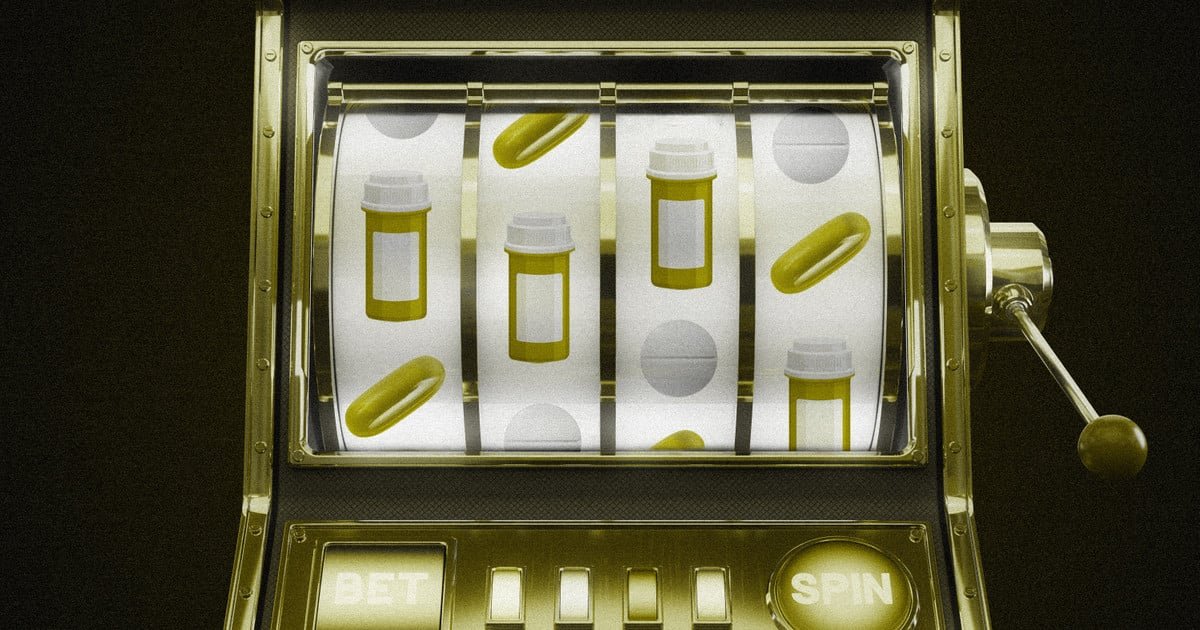
    Credit: Photo Illustration by Andrea Wise/ProPublica. Source images: luza studios/Getty Images, MirageC/Getty Images, Farion_O/Getty Images.
    Share
    Facebook Twitter LinkedIn Pinterest Email

    ProPublica is a nonprofit newsroom that investigates abuses of power. Sign up to receive our biggest stories as soon as they’re published.

    In 2022, three Food and Drug Administration inspectors headed to India to investigate a massive Sun Pharma plant that produces dozens of generic drugs for Americans. Over two weeks, they found dangerous breakdowns in the way critical medications were made, and the FDA ultimately placed the factory on an import ban — prohibiting the company from shipping drugs to the United States.

    The agency, however, quietly gave the global manufacturer a special pass to continue sending more than a dozen drugs to Americans even though they were made at the same substandard factory that was officially banned from the U.S. market.

    It wasn’t the first time. Here are the key takeaways from ProPublica’s 14-month investigation into the FDA’s oversight of foreign drugmakers:

    Threat in Your Medicine Cabinet: The FDA’s Gamble on America’s Drugs

    • Over a dozen years, the agency entrusted to protect America’s drug supply gave similar exemptions to some of the most troubled foreign drugmakers in India, allowing factories banned from the U.S. market to continue shipping medications to an unsuspecting American public.
    • A secretive group inside the FDA exempted the medications from import bans, ostensibly to prevent drug shortages. With each pass, the agency dismissed warnings from its own inspectors about dangerous breaches in drug quality on factory floors. All told, the FDA allowed into the United States at least 150 drugs or their ingredients from banned factories found to have mold, foul water, dirty labs or fraudulent testing protocols. Nearly all came from factories in India.
    • The FDA did not regularly test the drugs exempted from import bans to see if they were safe or actively monitor reports about potential harm among patients. And as the drugs circulated in the United States, the agency kept the practice largely hidden from the public. The FDA said it put protective measures in place, such as requiring third-party oversight of factories to ensure the exempted drugs were safe.
    • Some of the exempted drugs were recalled — just before or just after they were exempted — because of contaminants or other defects that could cause health problems. And a ProPublica analysis identified more than 600 complaints in the FDA’s files about the exempted drugs at three factories alone, each flagging concerns in the months or years after the medications were excluded from import bans. The reports cite about 70 hospitalizations and nine deaths.
    • Janet Woodcock, who for more than two decades led the FDA’s Center for Drug Evaluation and Research, said she didn’t see a need to inform the public about the drugs from banned factories because the agency believed they were safe and that such information would create “some kind of frenzy” among consumers who might seek to change their prescriptions. “We had to kind of deal with the hand we were dealt,” she said, noting she supported the exemptions to deal with chronic drug shortages.
    • Decisions made by the FDA decades ago gave rise to the use of exemptions. In the 2000s, as the cost of brand-name drugs soared, the FDA approved hundreds of generic drug applications for foreign manufacturers that had been in trouble before, companies well-known to the inspectors working to stamp out safety and quality breakdowns.
    • The exempted drugs that have come to the United States include antibiotics, chemotherapy treatment, antidepressants, sedatives and epilepsy medication.

    Sun Pharma did not respond to multiple requests for comment. When the FDA imposed the ban, the company said it would “undertake all necessary steps to resolve these issues and to ensure that the regulator is completely satisfied with the company’s remedial action. Sun Pharma remains committed to being … compliant and in supplying high-quality products to its customers and patients globally.”

    Patricia Callahan and Vidya Krishnan contributed reporting. Alice Crites contributed research.

    Banned Factories FDA foreign Medications ProPublica U.S
    Share. Facebook Twitter Pinterest LinkedIn Tumblr Email
    Previous ArticleHow Bees, Beer Cans and Data Solve the Same Packing Problem
    Next Article UTA Taps Partner Darnell Strom to Lead London Office
    onlyplanz_80y6mt
    • Website

    Related Posts

    UK sanctions on Israel ‘fall far short’ of its obligations, legal experts say | Ethical foreign policy

    September 15, 2026

    Food allergies when flying are no joke. That’s why nuts should be banned on planes | Lucy Pasha-Robinson

    August 30, 2026

    FDA approves updated Covid-19 vaccines for dominant XFG variant | US news

    August 28, 2026
    Add A Comment
    Leave A Reply Cancel Reply

    Top Posts

    The science influencers going viral on TikTok to fight misinformation

    February 17, 20263 Views

    MPs vote against legalising assisted dying in England and Wales | Assisted dying

    September 11, 20262 Views

    How the L.A. Port got hit by Trump’s Tariffs

    June 19, 20252 Views
    Stay In Touch
    • Facebook
    • YouTube
    • TikTok
    • WhatsApp
    • Twitter
    • Instagram
    Latest Reviews

    At Chile’s Vera Rubin Observatory, Earth’s Largest Camera Surveys the Sky

    By onlyplanz_80y6mtJune 19, 2025

    SpaceX Starship Explodes Before Test Fire

    By onlyplanz_80y6mtJune 19, 2025

    How the L.A. Port got hit by Trump’s Tariffs

    By onlyplanz_80y6mtJune 19, 2025

    Subscribe to Updates

    Get the latest tech news from FooBar about tech, design and biz.

    Most Popular

    The science influencers going viral on TikTok to fight misinformation

    February 17, 20263 Views

    MPs vote against legalising assisted dying in England and Wales | Assisted dying

    September 11, 20262 Views

    How the L.A. Port got hit by Trump’s Tariffs

    June 19, 20252 Views
    Our Picks

    The truth about UK prisons and organised crime: ‘They’re your good lads. Respectful. Keep their noses clean’ | Prisons and probation

    Hope for UK mothers accused of child abduction after fleeing domestic violence | Domestic violence

    The Guardian view on rape courts: ministers know that victims deserve better | Editorial

    Recent Posts
    • The truth about UK prisons and organised crime: ‘They’re your good lads. Respectful. Keep their noses clean’ | Prisons and probation
    • Hope for UK mothers accused of child abduction after fleeing domestic violence | Domestic violence
    • The Guardian view on rape courts: ministers know that victims deserve better | Editorial
    • Specialist courtrooms to prioritise rape cases in England and Wales | Rape and sexual assault
    • Meta launches legal challenge against UK media regulator over Online Safety Act | Ofcom
    © 2026 naijaglobalnews. Designed by Pro.
    • About Us
    • Disclaimer
    • Get In Touch
    • Privacy Policy
    • Terms and Conditions

    Type above and press Enter to search. Press Esc to cancel.