

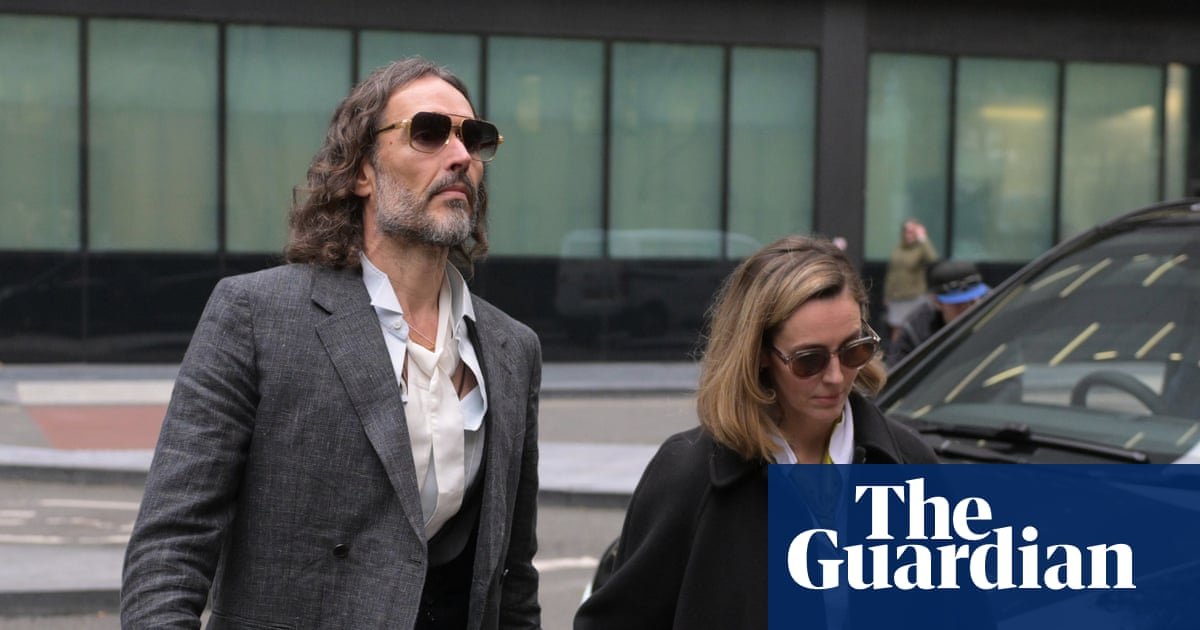
You report that in the wake of Russell Brand’s trial, the government pledged “to examine calls to crack down on ‘rape myths’ in trials” (Russell Brand suspected to have attacked at least 10 other women, 6 November). This is not the first time the treatment of women in trials for rape, and the perpetuation of rape myths, has been drawn to the attention of a Labour government.
Sue Lees (1941-2002), a former colleague from the Polytechnic/University of North London conducted research into the reporting of rape in the media and how it was treated within the English legal system in the 1990s.
Sue’s research clearly identified how the legal system systematically enabled rapists to escape justice, while both the judiciary and the media regularly stereotyped women as sexually provocative. Following publication of her book Carnal Knowledge: Rape on Trial in 1996, Sue helped influence members of the 1997 New Labour government to effect change to the legal process by limiting the evidence on a woman’s sexual history in rape trials.
In the 2002 updated edition of Carnal Knowledge, Sue highlighted the continuing problems in our adversarial system. Citing reforms in other countries, she argued the case for further radical reforms to reverse the imbalances of the judicial process and to create a system that would provide justice for victims without jeopardising the rights of defendants.
How disappointing, therefore, over two decades later, to read of the current Labour government’s ambitions to make changes to rape trials so that they “do not leave the woman feeling like she is on trial in court”, as Andy Burnham put it, speaking to Times Radio. What has happened in the intervening years, given the amount of research evidence already available? Where does the blame lie for the continuation of such injustices, misrepresentations and myths?
Judy Evans
Brighton, East Sussex
Like Lucy Powell MP, we found the rape myths and stereotypes deployed by the defence during Russell Brand’s trial depressing – but sadly not shocking (Police receive further criminal allegations against Russell Brand, 10 November). To think the courts had “long gone past that sort of culture” is wishful thinking at best.
Our research and frontline experience show that rape myths and stereotypes are used in courtrooms across England and Wales, day in, day out – a systemic failing which compounds the trauma for those victim-survivors of sexual violence who have already navigated the difficult journey to trial.
The survivors who courageously came forward in this case had already endured sexual violence. For the defence to then subject them to attempts to blame, shame and discredit them is disgraceful. It also reinforces and amplifies these harmful beliefs in wider society – something that specialist support services like ours have been pushing against for decades.
Words of condemnation aren’t enough. This case must now be a catalyst for meaningful action, so that no other victim-survivor is subjected to this treatment in future.
Katie Kempen
Chief executive, Victim Support
It is right to question Russell Brand’s Christian faith (‘He’s manipulating its power’: why did Russell Brand convert to Christianity?, 6 November). Conversion is meant to be a renewing of heart, mind and soul. In Brand’s case, the public baptism he sought might have been accompanied by public repentance and a stated intention to make amends or restitution to the women he harmed and whose distress he saw. Perhaps prison will lead him to genuine conversion.
Susanna Gridley
London
This Christian forgiveness undoubtedly comes from Russell Brand’s participation in the 12-step programme – heavily rooted in Christian terminology, although with its own big book.
My own experience of 15 months in Alcoholics Anonymous and Cocaine Anonymous showed plenty of “reformed” men who had sought sobriety, but also forgiveness for crimes that really should have gone to court – crimes too severe to be washed away by completing the steps and making tea. Deliberately addicting young girls to drugs so they would work as prostitutes was just one I heard that was “forgiven” by the power of God and the 12-step programme.
Name and address supplied
Following the jailing of Russell Brand for rape and sexual assault, we are being told that the entertainment industry has many attackers lurking in plain sight. While this is probably true, I and other survivors of rape and sexual violence worry that this focus somehow paints a picture that this one industry is an anomaly – that other places don’t suffer from this blight.
In our experience, this is not true. I am part of a panel of survivors convened by Arch Teesside who meet to improve attitudes and practices among service providers through research, presentations, and recommending changes from a survivor’s point of view.
While using the word “rape” fully in the public sphere is a good thing (people often avoid using it), it is unacceptable to portray rape as a result of “stars” exercising their power at work. It happens across the board, as those on our panel know. Managers, CEOs and senior colleagues also have this imbalanced power at their disposal. Please highlight this: rape at work happens everywhere, not just places where celebrities work.
Name and address supplied
Have an opinion on anything you’ve read in the Guardian today? Please email us your letter and it will be considered for publication in our letters section.
