
Close Menu

    Subscribe to Updates

    Get the latest creative news from FooBar about art, design and business.

    What's Hot

    ‘Superhuman’ AI tool spots heart disease in less than 2 seconds | AI (artificial intelligence)

    US health officials exclude measles-related deaths in Pennsylvania from counts | US healthcare

    Why are prisons overcrowded? Because no government will stand up to the tabloids | Zoe Williams

    Facebook X (Twitter) Instagram
    Facebook X (Twitter) YouTube LinkedIn
    Naija Global News |
    Tuesday, September 1
    • Business
    • Health
    • Politics
    • Science
    • Sports
    • Education
    • Social Issues
    • Technology
    • More
      • Crime & Justice
      • Environment
      • Entertainment
    Naija Global News |
    You are at:Home»Crime & Justice»The Guardian view on regulating big tech: Meta has got off too lightly | Editorial
    Crime & Justice

    The Guardian view on regulating big tech: Meta has got off too lightly | Editorial

    onlyplanz_80y6mtBy onlyplanz_80y6mtAugust 31, 2026003 Mins Read
    Share Facebook Twitter Pinterest LinkedIn Tumblr Email
    The Guardian view on regulating big tech: Meta has got off too lightly | Editorial
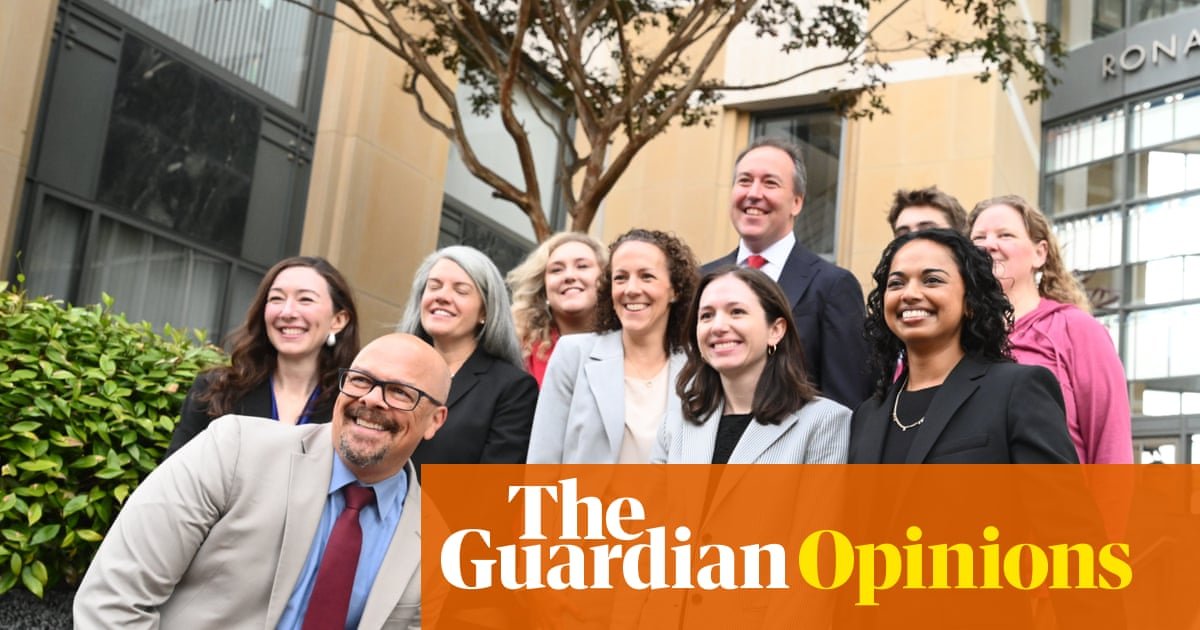
    Members of Colorado's trial team celebrate after Meta’s settlement on 26 August 2026 in Oakland, California. Photograph: Noah Berger/AP
    Share
    Facebook Twitter LinkedIn Pinterest Email

    “Hook, hold, harvest and hide” was how Megan O’Neill, a lawyer for the US state of California, characterised Meta’s business model in the trial that ended last week with an $18bn settlement, to be shared between the states and territories that brought the case. It was a clever way to describe the company’s approach to users’ attention and data. But the sharpness of her words was not matched by the deal. While the strengthening of child safety features is welcome, the tech giant once again batted off efforts to alter its products.

    Meta’s decision to settle enabled it to avoid any admission of liability. It put a stop to the awkward questions being asked of witnesses including Adam Mosseri, Instagram’s CEO, and the damaging claims made by whistleblowers such as Arturo Béjar. This former Meta safety engineer told the court that his own daughter had been sent unsolicited photos of male genitals on Instagram.

    Adam Mosseri, head of Instagram. Photograph: Karl Mondon/AFP/Getty Images

    The $18bn that Meta agreed to pay over 10 years, some of which is conditional on other platforms making similar changes, will hardly dent its profits (Meta plans to invest up to $145bn this year). More significant by far are its concessions in relation to child users. Safety features will become “opt-out” instead of “opt-in”, increasing the likelihood of their being switched on. Parents will be able to change the settings on young people’s accounts so that their feeds no longer show personalised, algorithmically driven content.

    A new two-hour daily limit, blocks on use during the night and on notifications during school hours, backed up by compulsory age verification, improve on the current free-for-all. So does the commitment to disable obviously harmful “social comparison” features such as cosmetic surgery image filters.

    But the package falls short of the restrictions on social media companies’ access to children that Australia, the UK, Malaysia, Indonesia and the EU have either imposed or are in the process of imposing (UK ministers have indicated that in areas where US rules may be stricter, they plan to follow suit). By accepting the terms that they did, while declining to raise the “digital age of consent” (at which accounts can be marketed to children) from 13, this deal’s negotiators left crucial aspects of Meta’s business, including its algorithms and addictive design features, largely untouched.

    There are good reasons why children’s mental health is a central focus of online safety campaigning. But the harm caused by big tech’s monetisation of attention goes wider. The addictive, tribalist and narcissistic behaviours that platforms are widely recognised to promote have implications for societies as well as individuals.

    One of many outstanding cases against Meta is being brought by Abrham Mearag, whose father was murdered in Ethiopia in 2021, after Facebook’s algorithm allegedly promoted posts calling for his killing. A US court blocked another case against the company regarding its role in the Rohingya genocide.

    Measures designed to protect American children from anxiety, depression, unlawful data gathering and addiction are important. But they will not reduce the risk of social media being linked to murderous violence, or undermining democracy, elsewhere in the world. It is now for other courts, or foreign governments, to take the next steps in holding Meta and its peer companies to account for their role as overseers of the global digital commons.

    • Do you have an opinion on the issues raised in this article? If you would like to submit a response of up to 300 words by email to be considered for publication in our letters section, please click here.

    big Editorial Guardian lightly Meta regulating tech view
    Share. Facebook Twitter Pinterest LinkedIn Tumblr Email
    Previous ArticleA pediatrician is running for Senate. Can doctors change the political debate over health and science? | South Carolina
    Next Article Caregiver creep: how helping elderly relatives can snowball into a full-time job | Well actually
    onlyplanz_80y6mt
    • Website

    Related Posts

    Why are prisons overcrowded? Because no government will stand up to the tabloids | Zoe Williams

    August 31, 2026

    Anthropic sued over alleged theft of ‘tens of thousands’ of songs | Music industry

    August 31, 2026

    What is Burnham doing to the early prison release scheme and why? | Prisons and probation

    August 30, 2026
    Add A Comment
    Leave A Reply Cancel Reply

    Top Posts

    The science influencers going viral on TikTok to fight misinformation

    February 17, 20262 Views

    Conservative MP Patrick Spencer cleared of sexual assault | UK news

    July 17, 20261 Views

    10 of the most terrifying moments in film

    October 30, 20251 Views
    Stay In Touch
    • Facebook
    • YouTube
    • TikTok
    • WhatsApp
    • Twitter
    • Instagram
    Latest Reviews

    At Chile’s Vera Rubin Observatory, Earth’s Largest Camera Surveys the Sky

    By onlyplanz_80y6mtJune 19, 2025

    SpaceX Starship Explodes Before Test Fire

    By onlyplanz_80y6mtJune 19, 2025

    How the L.A. Port got hit by Trump’s Tariffs

    By onlyplanz_80y6mtJune 19, 2025

    Subscribe to Updates

    Get the latest tech news from FooBar about tech, design and biz.

    Most Popular

    The science influencers going viral on TikTok to fight misinformation

    February 17, 20262 Views

    Conservative MP Patrick Spencer cleared of sexual assault | UK news

    July 17, 20261 Views

    10 of the most terrifying moments in film

    October 30, 20251 Views
    Our Picks

    ‘Superhuman’ AI tool spots heart disease in less than 2 seconds | AI (artificial intelligence)

    US health officials exclude measles-related deaths in Pennsylvania from counts | US healthcare

    Why are prisons overcrowded? Because no government will stand up to the tabloids | Zoe Williams

    Recent Posts
    • ‘Superhuman’ AI tool spots heart disease in less than 2 seconds | AI (artificial intelligence)
    • US health officials exclude measles-related deaths in Pennsylvania from counts | US healthcare
    • Why are prisons overcrowded? Because no government will stand up to the tabloids | Zoe Williams
    • Caregiver creep: how helping elderly relatives can snowball into a full-time job | Well actually
    • The Guardian view on regulating big tech: Meta has got off too lightly | Editorial
    © 2026 naijaglobalnews. Designed by Pro.
    • About Us
    • Disclaimer
    • Get In Touch
    • Privacy Policy
    • Terms and Conditions

    Type above and press Enter to search. Press Esc to cancel.