

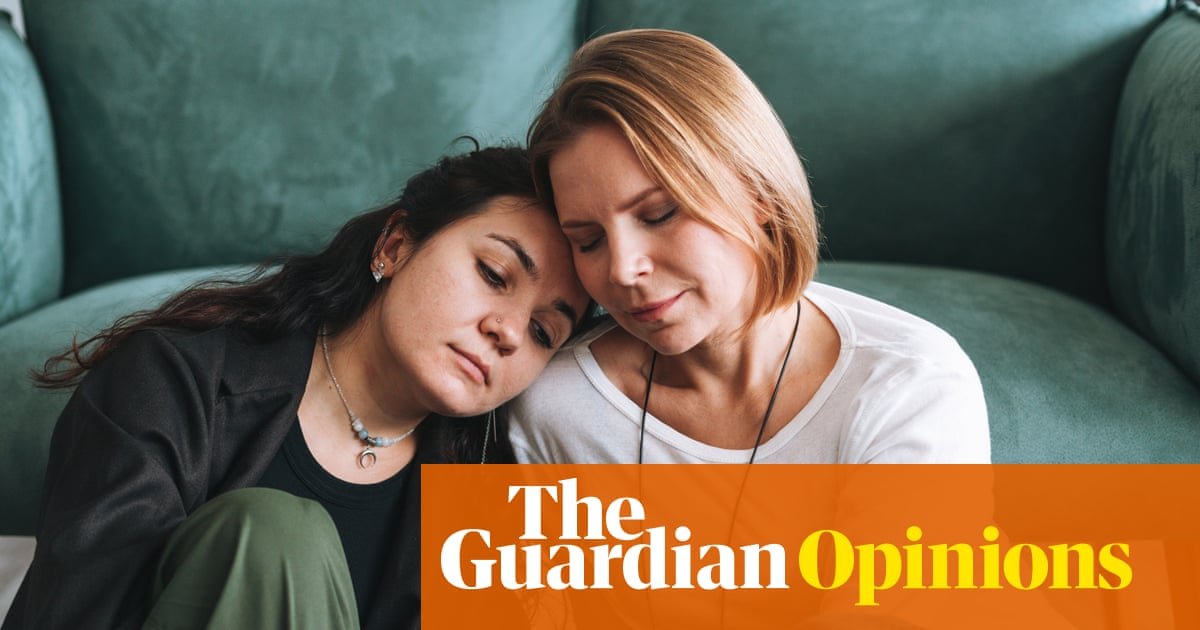
For women, starting around your mid-30s, it’s par for the course to discuss the latest wellness trends and treatments with female friends and family. Talking about symptoms such as gas and bloating, brain fog, migraines and varying degrees of crippling period pain over dinners, coffee, voice memos and long walks becomes part of a shared quest for better health. With medical biases and discrimination wreaking havoc on women’s health and destroying trust in mainstream medicine, it’s little wonder why many of us remain vigilant for anything that may help us feel better.
But what can we do when someone we love mentions a new health regimen that sounds downright dangerous?
My family has been grappling with this question for the last four years, since my cousin Lauren was found in a coma at a large public hospital in Johor Bahru, Malaysia. She had undergone a risky and unproven treatment for chronic Lyme disease. Two days later, she died. She was 37.
I wrote my book Wormhole to examine the cultural and institutional forces that led Lauren down this path. These are the best tools I believe we have to protect others.
We can’t shame our loved ones into concealment
I rode shotgun with my cousin as she explored many outlandish-sounding treatments but, as she ventured deeper into what I’ve come to know as the wormhole, some of her views on health left me scoffing, while others left me aghast. I sniggered or shut her down when she shared her views on vaccines. I called her an anti-vaxxer without questioning how her experience of fibromyalgia and ME/CFS may have led her to lose trust in medicine.
She knew that her family didn’t approve of many of the treatments she was following – the chlorine dioxide (bleach) she’d drink, the sheep dip she’d buy from veterinary supply stores to consume orally – so she would keep them secret. If our loved ones feel shamed by us, we lose the opportunity to talk to them about risks. Using judgmental language like “quack”, “grifter”, “anti-vaxxer” and “scammer” inhibits productive conversation, even if those descriptors may be accurate.
We need to believe women’s pain and symptoms
Those with chronic health conditions and invisible illnesses can be particularly vulnerable to exploring dangerous alternative medical treatment. Female pain is consistently underestimated compared with male pain, and conditions that more frequently affect women, such as endometriosis, take six to eight years to diagnose. This systemic invalidation of women’s symptoms erodes trust in medicine and leads sufferers to look elsewhere, even if that comes at the expense of evidence based-care.
Remaining resolute in our belief of our loved one’s symptoms and supporting them to find care that affirms their experiences can go a long way in ensuring their safety against exploitative practitioners. In the case of chronic illnesses such as fibromyalgia, symptoms can change and evolve, which can be confusing to others. But offering support for new symptoms as they emerge and refraining from questioning ones that disappear can ensure those suffering don’t carry the burden of explaining themselves. A heat pack, a rain check or an offer to run an errand sends the message that a person’s pain does not need to be seen to be believed.
‘Follow the money’
One of the biggest sayings in the conspiratorial world of alt medicine is “follow the money”, referring to the belief that Big Pharma sustains itself by keeping vulnerable people sick. Our pain is their profit. It’s important to acknowledge the times in history when this has been the case, because modern medicine has a chequered past. Yet the sentiment “follow the money” can also be applied to the world of alternative medicine, projected to be worth US$1,282.70bn by 2034.
Many purveyors of “alternative” and “natural” medicine I discovered in the course of researching Lauren’s journey charged exorbitant subscriptions for supplements, enema kits and video calls with the company founders (available exclusively to those on platinum subscriptions). Often, claims on websites advertising certain treatments purported to be backed by studies. But a deeper look at those studies revealed they were conducted by the company selling the product and were not peer-reviewed. One company sold Lauren non-standard tests that consistently showed that a further six months of treatment would be necessary.
Preying on the chronically ill can be lucrative, and the exploitative practitioners reveal themselves the moment the patient or their family expresses doubt. Lauren saw one holistic doctor who spent a two-hour phone call pressuring my aunt into spending $1,000 a week for five years.
Stay tethered
Alternative practitioners would tell my cousin that her family were unsupportive when they refused to pay for high-risk treatments, even if it would have cost their homes. The only way we can stop our loved ones being swept away by this insidious current is to stay anchored to them, even when they push us away. Even when they see our concern as a lack of support.
But even then, it may not be enough. My aunt did everything she could to keep her daughter safe. And no one who has lost someone in this way should have to carry the burden of wondering what they could have done differently.
This is a systemic problem. If we don’t address issues such as medical misogyny, misinformation and wellness culture, and treat chronic, misunderstood conditions that don’t fit neatly into diagnostic boxes, others will meet Lauren’s end. Until that happens, it’s left to family and friends to take on the job of validating, listening and supporting each other to find quality care, while keeping open communication about the risks. Which may mean that continuing to discuss our health with our friends over coffee might be the best thing for us.
