

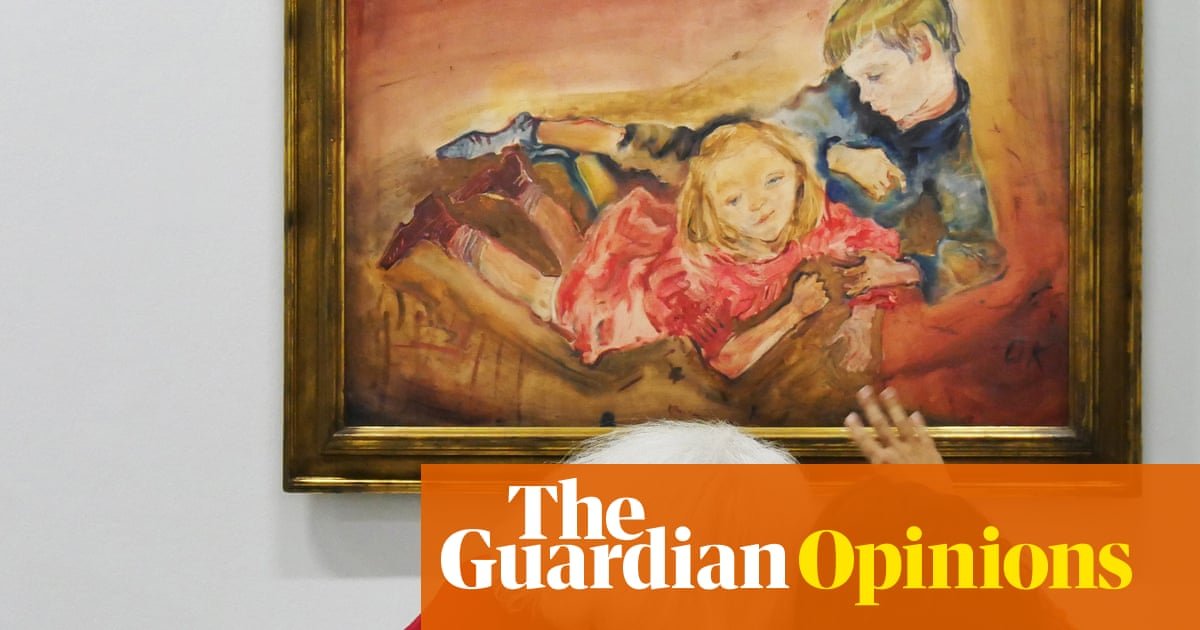
Is it really news that the arts are good for you? On one level, the findings of a new study about the health benefits of engaging with music, dance and other artistic endeavours confirm what many of us feel instinctively that we already know. Creativity enhances life. That’s why people admire and cherish it, in others and – if they have the confidence – in themselves.
But the results of one of the first attempts by researchers to quantify this benefit are fascinating all the same. The study, from a group of scientists at University College London, working with blood samples and survey data from the UK Household Longitudinal Study, showed that people who participated regularly in the arts aged more slowly than those who did not.
The benefits were found both among people who attended concerts or exhibitions and among those who sang in choirs or painted pictures themselves. Those who undertook an arts activity at least weekly were, on average, a year younger biologically than those who did so rarely. The effects were more pronounced in middle-aged and older adults, and in those who were involved in more than one type of activity.
The tools used, known as “epigenetic clocks”, are relatively new and have some controversy attached to them. Questions about correlation versus causation can be asked about the ageing-related changes to DNA and other molecules that they measure, and also about the relationship between these biological markers and behaviour. It might not be that going to galleries makes you age more slowly, but that people who are ageing more slowly for other reasons go to galleries more often.
The researchers’ call for the arts to be included in public health strategies is a bold one. Leisure facilities such as libraries and museums are widely viewed as contributing to the collective wellbeing of communities. But when health policy refers to lifestyle, it usually means more straightforwardly physical habits: diet, exercise, alcohol, smoking.
Does this study point towards a more holistic view of health and wellbeing, in which relationships and creativity are understood as basic human needs along with food and housing? Already, the rise of social prescribing has gone some way towards widening the range of activities that are officially viewed as conferring therapeutic benefits. Loneliness, in particular, has become a focus for policymakers as the adverse outcomes associated with it have become clearer.
Unsurprisingly, social interaction is one of the ingredients of a busy cultural life that could slow down ageing, according to this study. Others are cognitive and sensory stimulation, and stress reduction. To arts enthusiasts, this may seem like stating the obvious. Of course going out with friends to see a show puts a song in their heart. Do they need to know that doing such things regularly could affect them at a molecular level too, conferring similar benefits to exercise?
Perhaps not. The arts are not and never have been reducible to their impact on health. Since the earliest cave paintings, they have manifested the human capacity for imagination and connection, and have been a vital facet of communal and spiritual life. But there is radical potential in the discovery that the widely recognised psychological rewards of creativity may be mirrored in our cells.
