

Spirit Airlines is preparing to cease operations after the beleaguered company ran out of cash and a rescue attempt by the Trump administration appeared to stall.
The company struggled to make a deal with its creditors and secure funding to maintain operations, according to a Wall Street Journal report citing people familiar with the matter.
Four people familiar with the matter confirmed a Wall Street Journal report that Spirit was preparing to cease operations after hitting an impasse in talks with some creditors on a $500m government bailout plan.
Two of the sources said government officials expect Spirit to cease operations at about 3am ET on Saturday, but emphasized that it could change. They added the Spirit board was meeting on Friday to consider shutdown plans.
After earlier reports that Spirit was close to liquidation, the Trump administration said it was working out a deal to keep the carrier afloat, including a potential $500m loan from the federal government.
Donald Trump said last week he was aware the company had been struggling and even suggested the federal government could buy out the carrier.
On Friday, he told reporters an announcement could come later Friday or Saturday. “We gave them a final proposal,” he said. “We’re looking at it, but if we can’t make a good deal – no institutions been able to do it. I said I’d like to save the jobs.”
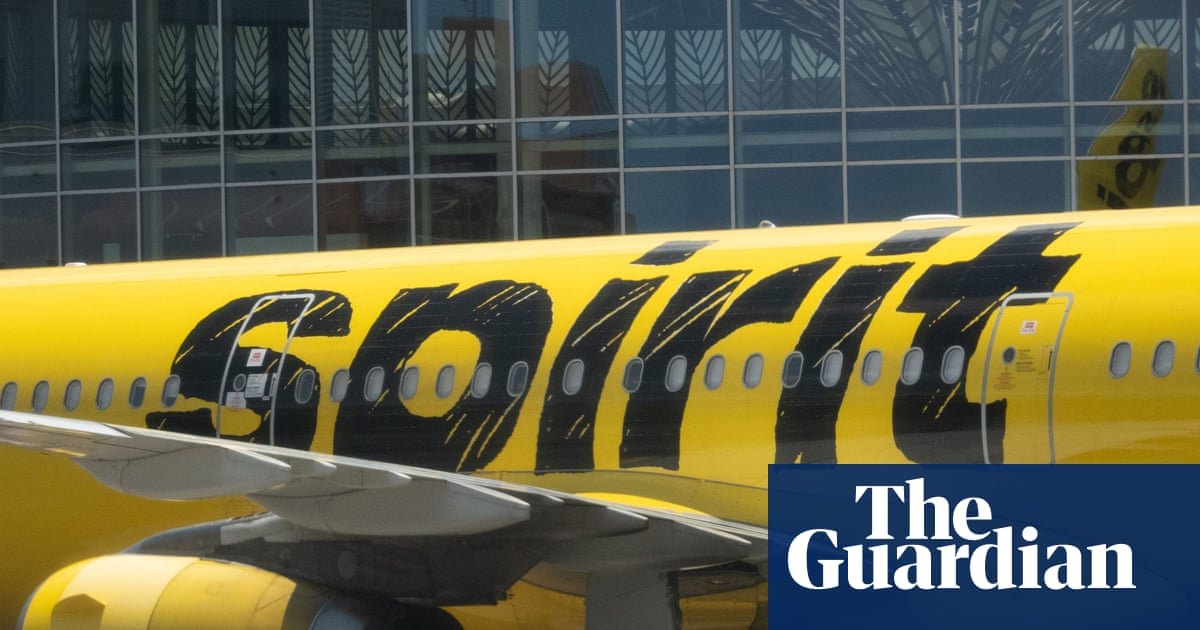
If Spirit – known for its bright yellow planes and “no frills” service – ends up in liquidation, it will be the first major US carrier to liquidate since the 2008 recession.
A board meeting was under way on Friday after market hours to decide on the timing, though no final decision had been made, they said. Any shutdown would require board approval and would take place overnight rather than during the day, one of the people said.
If the shutdown were approved, the company would proceed with an orderly wind‑down, halting flights overnight, repositioning aircraft for return and sending crews home, the person said.
“The Trump administration made an extraordinary effort to try and save Spirit, but you can’t breathe life into a corpse. Given that, the company should make its intentions clear for the sake of its customers and employees,” a creditor close to the deal said.
A company spokesperson declined to comment on ongoing discussions and said Spirit was operating as usual.
Although travelers still could book flights on the airline’s website Friday afternoon, people who said they had existing reservations or credits flooded Spirit’s social media feed with questions about upcoming flights and demands for refunds. Some US airlines, meanwhile, said they would step in to support Spirit customers if the airline went under.
American Airlines said in a statement that it was capping main cabin fares for flights on Spirit routes where American also offers nonstop service. Budget carrier Frontier said in a social media post that it was “ready to support customers who may be impacted if Spirit Airlines ceases operations”. JetBlue posted a similar sentiment: “We know that uncertainty is never easy. We’re here to help if Spirit Airlines’ operations are suspended and your travel plans are disrupted.”
Spirit and other airlines have been struggling with high oil prices that have pushed up the price of jet fuel. The company’s woes predated the war in Iran, though, as the company has struggled to increase post-pandemic demand.
In 2024, a federal judge blocked a $3.8bn merger between JetBlue and Spirit on antitrust grounds, saying the merger would reduce competition among airlines and harm customers.
The White House, in earlier statements, said the company would “be on a much firmer financial footing had the Biden administration not recklessly blocked the airline’s merger with JetBlue”.
A group of other budget carriers, including Frontier and Avelo, reportedly pitched a $2.5bn bailout to the Trump administration last week, arguing they have been disproportionately affected by higher fuel prices.
Budget airlines offer consumers low base-level fares but typically add on hefty fees for services such as carry-on bags and seat selection.
Leaders of the “big three” US carriers, American Airlines, Delta and United, have said their companies have been affected by fuel prices, but that solid demand have made them resilient against rising prices. Last month, the CEO of Delta said demand among high-paying customers remained strong and that the company still had room to raise fare prices.
The White House did not immediately respond to requests for comment.
Founded in 1983 as Charter One Airlines, Florida-headquartered Spirit operates throughout the US, Latin America and the Caribbean.
Experts warned this week that the carrier’s failure would create less competition within the consolidated airline industry and likely lead to higher prices for consumers.
