

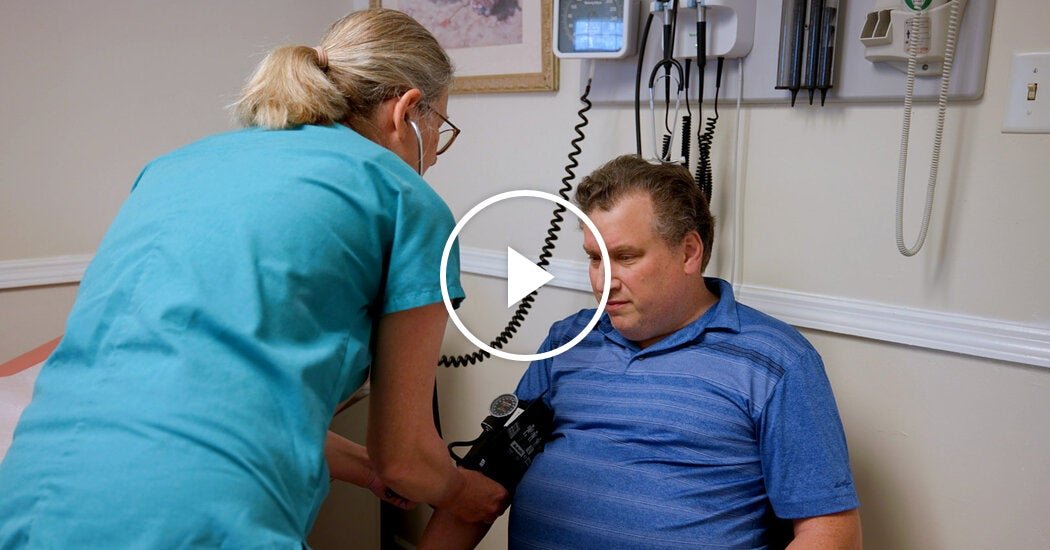
“When I saw the termination notice come in, it was kind of nerve-wracking.” James Digilio is 62 years old. He couldn’t pay for his health insurance after costs skyrocketed. “I was paying, last year, $57-a-month premium. And then it jumped up this year to $1,690 a month. When I first saw it, I was surprised. I thought this was a mistake.” Millions of people like James saw their insurance premiums soar in January after the Senate deadlocked on competing proposals, leaving the expanded tax subsidies to expire. James relies on medication to manage his blood pressure, cholesterol and diabetes. Since losing his insurance, he started rationing his medication. “I was concerned about the medications, not knowing how I was going to refill them. I figure if I could stretch it out and not take them for a week or so, then that’s another week I could tack on that I could still stretch it out to.” James works at a pizza restaurant, making $14 an hour washing dishes and delivering food — that brings in, on average, $1,200 a month plus tips. He says that the $1,690 health insurance payment would eat up all the income from his job. “It would have been very hard to manage to pay that much premium for health insurance.” He takes care of his sister, who is currently unemployed. In January, to cover their expenses, James took out his Social Security retirement benefits early. If he had paid for his new health insurance premium on top of the other expenses, that would have left him nearly $1,400 in debt at the end of each month. For years, Florida has been leading the nation in Affordable Care Act enrollment. One in five residents are enrolled in an A.C.A. plan, compared to one in 15 nationwide, and 98 percent of Florida’s enrollees relied on federal financial assistance to pay for a plan. Now, many are facing a future without health insurance. More than a million people nationwide have dropped their coverage since the A.C.A. subsidies expired. Today, with only a week and a half of medication left, James is visiting a free clinic nearby to see if they have the medications he needs. “OK, if you just take a seat and I’ll tell the nurse you’re here.” “Jimmy’s case is not unique. All of our new patients who had insurance and now do not have insurance have all seen tremendous increase in their monthly premiums to the point that they can’t afford them any longer.” Terri Belletto runs this volunteer-based clinic in Bunnell, a city in northeast Florida. It relies on private donations and grants for its funding. She says her clinic has seen a surge in patients over the past three months. “This is the largest increase in patients that we’ve seen in the 12 years that I’ve been here. If we’re not in crisis mode in health care in the United States, we’re almost there.” “So was it two months from now, you said?” For James, a measure of relief. Today, the clinic refilled over a month of medication for free. The clinic may have met his immediate health care needs, but what worries James is where to go for anything more serious and how he’d pay for it. “If I had affordable health care, my life would be easier. It would be more relaxed and I could not have to be stressed about the insurance and hopefully also medications.”
Subscribe to Updates
Get the latest creative news from FooBar about art, design and business.
Previous ArticleTrump Safe After Shooting at White House Correspondents’ Dinner

Related Posts
Add A Comment