
Close Menu

    Subscribe to Updates

    Get the latest creative news from FooBar about art, design and business.

    What's Hot

    Iowa House Advances Bill to Limit Use of H-1B Visas

    Out of the blue? How the colour of light could be used to treat mental illness | Medical research

    Who are the key figures in the sewage crisis, and where are they now? | Water

    Facebook X (Twitter) Instagram
    Facebook X (Twitter) YouTube LinkedIn
    Naija Global News |
    Friday, March 13
    • Business
    • Health
    • Politics
    • Science
    • Sports
    • Education
    • Social Issues
    • Technology
    • More
      • Crime & Justice
      • Environment
      • Entertainment
    Naija Global News |
    You are at:Home»Environment»Dolphins have been stranding in droves on the shores of Patagonia. Scientists think they’ve found the culprit
    Environment

    Dolphins have been stranding in droves on the shores of Patagonia. Scientists think they’ve found the culprit

    onlyplanz_80y6mtBy onlyplanz_80y6mtMarch 12, 2026004 Mins Read
    Share Facebook Twitter Pinterest LinkedIn Tumblr Email
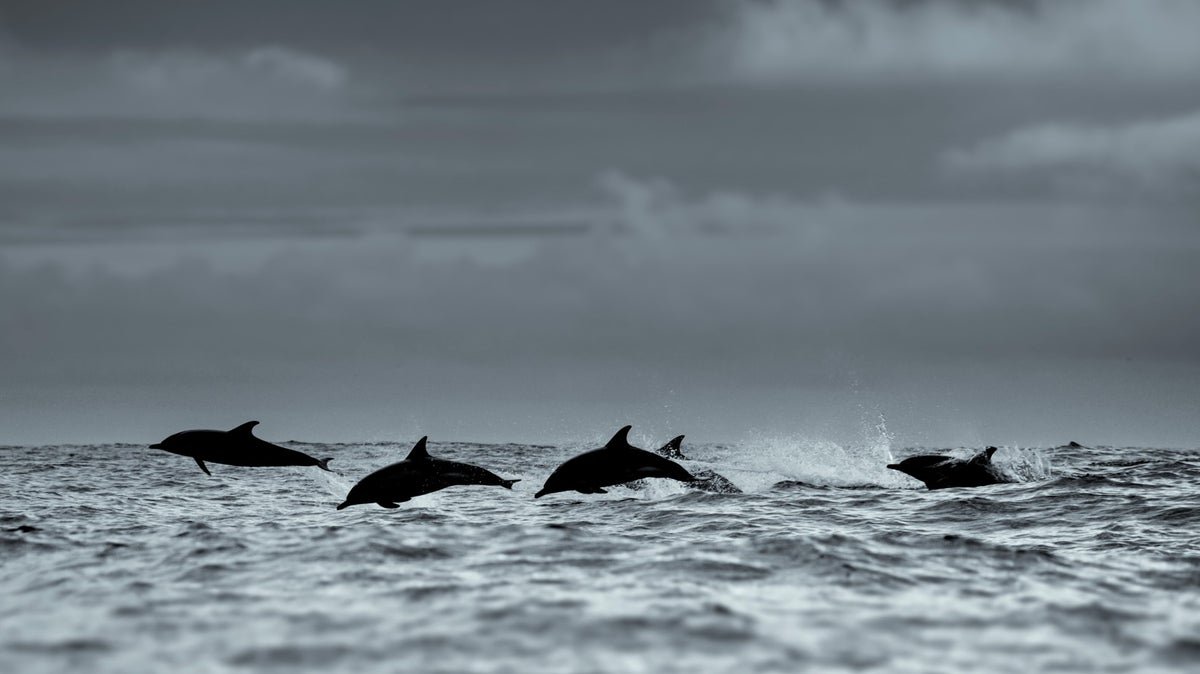
    Dolphins have been stranding in droves on the shores of Patagonia. Scientists think they’ve found the culprit

    George Karbus Photography/Getty Images

    Share
    Facebook Twitter LinkedIn Pinterest Email

    March 12, 2026

    2 min read

    Add Us On GoogleAdd SciAm

    Dolphins have been stranding in droves on the shores of Patagonia. Scientists think they’ve found the culprit

    Dolphins washing up on the shores of Patagonia may have been fleeing orcas in the area

    By Jackie Flynn Mogensen edited by Claire Cameron

    George Karbus Photography/Getty Images

    A dolphin murder mystery is playing out on the shores of South America’s Patagonia region: multiple mass strandings have seen scores of dolphins washing up for no easily discernable reason. In one such event in 2021, for example, 52 common dolphins turned up dead in San Antonio Bay, off the coast of the province Río Negro in Argentina—but aside from being dead, the animals appeared to have been in good health, with no apparent wounds or signs of disease. Then, about a year and a half later, hundreds more dolphins stranded in shallow waters in the same area, although, luckily, no deaths were reported.

    The reason why was a mystery. But now researchers have identified compelling suspects: killer whales. In a new study published in the journal Royal Society Open Science, researchers show how in both cases, the presence of killer whales nearby may have spooked the dolphins, causing them to flee into San Antonio Bay’s perilous shallow waters.

    Dolphin stranding may be triggered by myriad issues, from changing tides to prey behavior—but the study provides “novel evidence” that predators may play a role, too, the authors write.

    On supporting science journalism

    If you’re enjoying this article, consider supporting our award-winning journalism by subscribing. By purchasing a subscription you are helping to ensure the future of impactful stories about the discoveries and ideas shaping our world today.

    “This study provides, for the first time, evidence supporting the hypothesis that such coastal incursions may be triggered by stress induced by predator presence, specifically killer whales in the area,” the authors write. Orcas—technically dolphins themselves—are known to hunt smaller species of dolphins. (There is evidence that some killer whales team up with other dolphins to hunt, too.)

    To come to their finding, the researchers relied on interviews with local residents and fishers, as well as video footage, to piece together the timeline of events leading up to the mass strandings. “In both events, dolphins exhibited atypical inshore movements, high cohesion and disorientation shortly before killer whales were sighted,” the authors write.

    The results could help explain mystery mass stranding events at other known hotspots, such as New Zealand, Australia and Massachusetts, which have similar geographies.

    It’s Time to Stand Up for Science

    If you enjoyed this article, I’d like to ask for your support. Scientific American has served as an advocate for science and industry for 180 years, and right now may be the most critical moment in that two-century history.

    I’ve been a Scientific American subscriber since I was 12 years old, and it helped shape the way I look at the world. SciAm always educates and delights me, and inspires a sense of awe for our vast, beautiful universe. I hope it does that for you, too.

    If you subscribe to Scientific American, you help ensure that our coverage is centered on meaningful research and discovery; that we have the resources to report on the decisions that threaten labs across the U.S.; and that we support both budding and working scientists at a time when the value of science itself too often goes unrecognized.

    In return, you get essential news, captivating podcasts, brilliant infographics, can’t-miss newsletters, must-watch videos, challenging games, and the science world’s best writing and reporting. You can even gift someone a subscription.

    There has never been a more important time for us to stand up and show why science matters. I hope you’ll support us in that mission.

    culprit dolphins Droves Patagonia Scientists shores Stranding Theyve
    Share. Facebook Twitter Pinterest LinkedIn Tumblr Email
    Previous ArticleOld Dominion Faculty Vote No Confidence
    Next Article GPS spoofing is scrambling ships in the Strait of Hormuz
    onlyplanz_80y6mt
    • Website

    Related Posts

    Who are the key figures in the sewage crisis, and where are they now? | Water

    March 13, 2026

    OpenAI and Ginkgo Bioworks show how AI can accelerate scientific discovery

    March 13, 2026

    Miliband unveils plans to speed up nuclear power generation for UK | Infrastructure

    March 13, 2026
    Add A Comment
    Leave A Reply Cancel Reply

    Top Posts

    Watch Lady Gaga’s Perform ‘Vanish Into You’ on ‘Colbert’

    September 9, 20251 Views

    Advertisers flock to Fox seeking an ‘audience of one’ — Donald Trump

    July 13, 20251 Views

    A Setback for Maine’s Free Community College Program

    June 19, 20251 Views
    Stay In Touch
    • Facebook
    • YouTube
    • TikTok
    • WhatsApp
    • Twitter
    • Instagram
    Latest Reviews

    At Chile’s Vera Rubin Observatory, Earth’s Largest Camera Surveys the Sky

    By onlyplanz_80y6mtJune 19, 2025

    SpaceX Starship Explodes Before Test Fire

    By onlyplanz_80y6mtJune 19, 2025

    How the L.A. Port got hit by Trump’s Tariffs

    By onlyplanz_80y6mtJune 19, 2025

    Subscribe to Updates

    Get the latest tech news from FooBar about tech, design and biz.

    Most Popular

    Watch Lady Gaga’s Perform ‘Vanish Into You’ on ‘Colbert’

    September 9, 20251 Views

    Advertisers flock to Fox seeking an ‘audience of one’ — Donald Trump

    July 13, 20251 Views

    A Setback for Maine’s Free Community College Program

    June 19, 20251 Views
    Our Picks

    Iowa House Advances Bill to Limit Use of H-1B Visas

    Out of the blue? How the colour of light could be used to treat mental illness | Medical research

    Who are the key figures in the sewage crisis, and where are they now? | Water

    Recent Posts
    • Iowa House Advances Bill to Limit Use of H-1B Visas
    • Out of the blue? How the colour of light could be used to treat mental illness | Medical research
    • Who are the key figures in the sewage crisis, and where are they now? | Water
    • Trump policies set to increase rates of lung disease and death, study finds | Trump administration
    • AI toys for young children must be more tightly regulated, say researchers | AI (artificial intelligence)
    © 2026 naijaglobalnews. Designed by Pro.
    • About Us
    • Disclaimer
    • Get In Touch
    • Privacy Policy
    • Terms and Conditions

    Type above and press Enter to search. Press Esc to cancel.