

Unlock the White House Watch newsletter for free
Your guide to what Trump’s second term means for Washington, business and the world
Live Nation has reached a preliminary settlement with the US government to resolve a monopoly case brought by the Department of Justice in a deal that would stop short of breaking up the company.
The DoJ and some US states struck the agreement with Live Nation, which is the parent company of Ticketmaster, less than a week after the trial began in New York, according to a senior justice department official. But 27 other state attorneys-general have refused to join the deal, arguing it benefits Live Nation.
In 2024, during Joe Biden’s presidency, the DoJ sued Live Nation, accusing it of operating a monopoly that “suffocates its competition” in the live entertainment industry. The government sought to break up the company, alleging it illegally dominated the market for ticketing and concert promotion, using “exclusionary conduct” to wield an outsized influence over the majority of live concert venues across the US.
The justice department under Donald Trump continued pursuing the Live Nation case, which was set to have sweeping impacts on the US live music business. However, the White House last month pushed out the agency’s top antitrust enforcer, Gail Slater, who had pledged to continue much of the Biden-era crackdown on corporate consolidation. Meanwhile, Kellyanne Conway, Trump’s former campaign manager, has advised Live Nation.
This is the first major antitrust settlement reached by the DoJ since Slater’s departure, which critics had warned could reinforce a pivot away from tough antitrust enforcement.
Trump “issued an executive order last year directing his DoJ to restore competition in the live entertainment marketplace”, said a person familiar with Slater’s thinking. “This settlement falls short of this standard. Sadly, it also undermines what should be his robust domestic policy affordability agenda heading into the [November] midterms.”
A senior DoJ official said this was “severely flawed logic”. A settlement was the “only possibility of ensuring that this case supports the president’s affordability agenda heading into the midterms”. The case’s outcome would have otherwise been “sitting in appellate courts for a few years”.
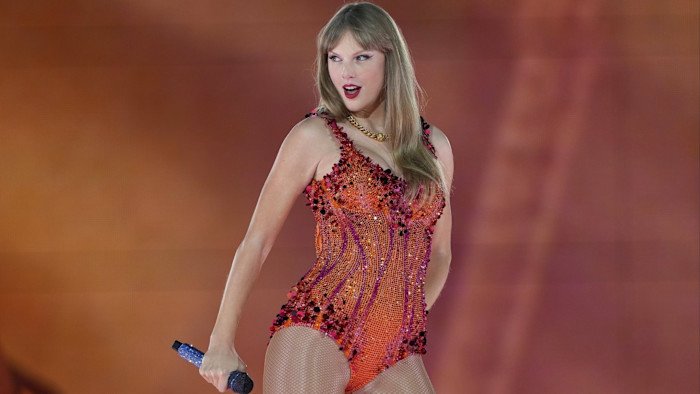
The lawsuit came amid growing discontent among fans, rivals, artists and US lawmakers, who have accused Live Nation of abusing its market power by charging exorbitant fees and retaliating against venues that choose to work with rivals. It followed a fiasco during the ticket sale of Taylor Swift’s Eras Tour in 2022, when Ticketmaster’s website was overwhelmed by massive demand.
As part of the agreement, which will have to be confirmed by a federal court, Live Nation would offer a product that will allow other ticketing companies to use its technology. It would also let go of exclusive booking contracts at 13 venues, a number that may rise if other states join the agreement.
Ticketmaster must also offer venues the option to enter into non-exclusive agreements that ensure a portion of tickets are not tied to the company. Live Nation may not retaliate against venues that choose ticketing options other than Ticketmaster, nor block artists’ access to venues if they work with other promoters.
Last week, the court played a recording of a phone call in which Live Nation chief executive Michael Rapino threatened to divert concerts from New York’s Barclays Center if the venue switched to a rival ticketing service.
The DoJ has previously accused Live Nation of failing to comply with similar remedies aimed at changing the company’s conduct.
The deal “opens up markets for other competitors, which will allow for competition that previously didn’t exist in primary ticketing and in the live entertainment space”, said a senior DoJ official.
“That competition is going to have a direct impact on prices coming down,” he added. “It’ll also give consumers more options and not feel like they just have to go through Live Nation or Ticketmaster.”
But New York state attorney-general Letitia James, who has led a bipartisan group of states suing Live Nation, on Monday said the agreement “fails to address the monopoly at the centre of this case, and would benefit Live Nation at the expense of consumers. We cannot agree to it.”
Recommended
“[W]e will continue our lawsuit to protect consumers and restore fair competition to the live entertainment industry,” she added.
Live Nation did not immediately respond to a request for comment.
The settlement comes less than a month after the departure of Slater, who had faced internal pressure from US attorney-general Pam Bondi and allies over her handling of antitrust investigations.
Her exit suggested the populist Maga wing keen to challenge corporate dominance was floundering in a tug of war with a more business-friendly faction that has acquiesced to companies’ lobbying efforts.
The DoJ allowed the merger of Ticketmaster and Live Nation subject to a 10-year agreement with provisions barring retaliation against venues that chose alternative ticketing or promotional services. That agreement was modified and extended in 2019 because the DoJ accused it of “repeatedly” violating the initial deal.
