

March 5, 2026
2 min read
Add Us On GoogleAdd SciAm
Koalas show how species can bounce back from genetic bottlenecks
Scientists have discovered a potential path out of devastating genetic bottlenecks that could help these Australian animals, as well as many other vulnerable and endangered species
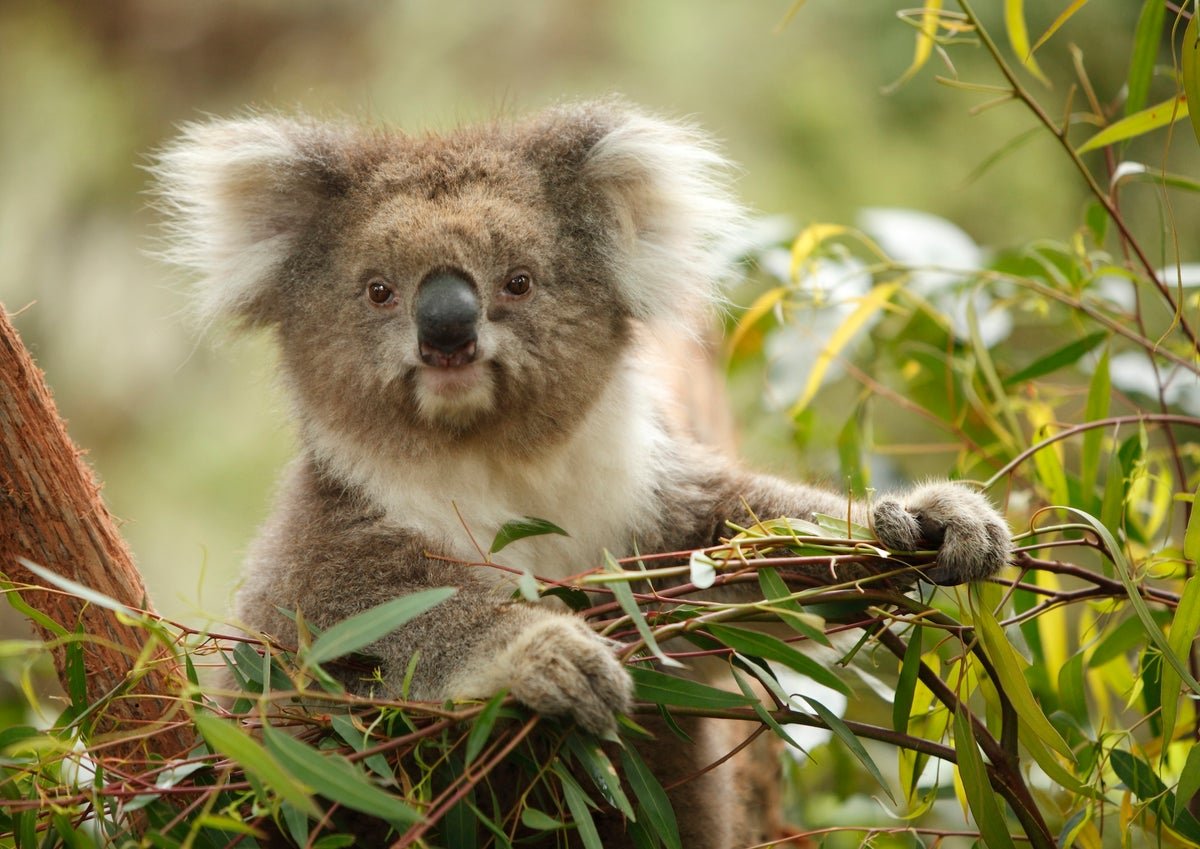
Without interrupting their busy sleep schedule, Australia’s cute, if cantankerous, koalas have turned a truism of genetics on its head.
In short, the proliferation of certain koala populations shows how bottlenecks—which occur when a species’ numbers suddenly shrink, reducing genetic diversity—don’t necessarily doom an animal to inbreeding and eventually dying out. Previously bottlenecked species can bounce back, recovering a surprising amount of diversity.
“The assumption that a bottleneck leads to eventual extinction is not set in stone,” says Rachel O’Neill, a genome biologist at the University of Connecticut, who was not involved in the new research.
On supporting science journalism
If you’re enjoying this article, consider supporting our award-winning journalism by subscribing. By purchasing a subscription you are helping to ensure the future of impactful stories about the discoveries and ideas shaping our world today.
For the study, published on March 5 in Science, researchers dug into the whole genomes of 418 koalas from different populations to understand how the effective population sizes of different groups had changed over time. Whereas a population size tallies the number of animals in a group, an effective population size measures how those animals’ genetic diversity is distributed among individuals by sexual reproduction.
The researchers found a pattern they didn’t expect among koala populations in the Australian state of Victoria, where the animals have high rates of inbreeding and genetic deformity. Their effective population sizes cratered in the late 1800s because of the fur trade, creating an expected bottleneck. But surprisingly, the scientists found that the effective population sizes of koalas in Victoria have been increasing over the past 40 generations, whereas those of Queensland and New South Wales koala populations—which conservationists have typically considered genetically healthier—have shown sharp declines.
“It still looks like they’re in bad shape, but if you dig further, we’re actually finding that there’s recovery from the bottleneck,” says study co-author Collin Ahrens, an evolutionary biologist at the independent research company Cesar Australia.
That genetic recovery has come thanks to explosive population growth—in Victoria, koalas are now so numerous that their management consists of trying to limit their numbers rather than increasing them, Ahrens notes. What’s happening is that these populations have increased so dramatically that there have been many opportunities for mutations to occur and even for the limited genes retained during the bottleneck to group in different ways.
“Recombination reshuffles the genetic variation,” Ahrens says. “That’s really important and something that’s been really difficult to measure.”
What happened with the Victorian koalas has an interesting parallel in invasive species. Scientists have long known that invasive organisms can rapidly proliferate after just a few individuals are introduced to a new ecosystem that they find is to their liking. Instead of being haunted by inbreeding, they sometimes thrive genetically, much to the detriment of the species around them.
The implications of the new research could reach far beyond koalas, given the number of species under threat from climate change and other human-driven pressures. “Right now we’re seeing a lot of anthropogenically driven declines, and I think their findings kind of give those populations hope,” says Caitlin Curry, a population geneticist at the San Diego Zoo Wildlife Alliance, who wasn’t involved in the new research. “If we give them the right resources and tools to have some kind of rapid expansion, maybe it also can restore their evolutionary potential.”
It’s Time to Stand Up for Science
If you enjoyed this article, I’d like to ask for your support. Scientific American has served as an advocate for science and industry for 180 years, and right now may be the most critical moment in that two-century history.
I’ve been a Scientific American subscriber since I was 12 years old, and it helped shape the way I look at the world. SciAm always educates and delights me, and inspires a sense of awe for our vast, beautiful universe. I hope it does that for you, too.
If you subscribe to Scientific American, you help ensure that our coverage is centered on meaningful research and discovery; that we have the resources to report on the decisions that threaten labs across the U.S.; and that we support both budding and working scientists at a time when the value of science itself too often goes unrecognized.
In return, you get essential news, captivating podcasts, brilliant infographics, can’t-miss newsletters, must-watch videos, challenging games, and the science world’s best writing and reporting. You can even gift someone a subscription.
There has never been a more important time for us to stand up and show why science matters. I hope you’ll support us in that mission.
