

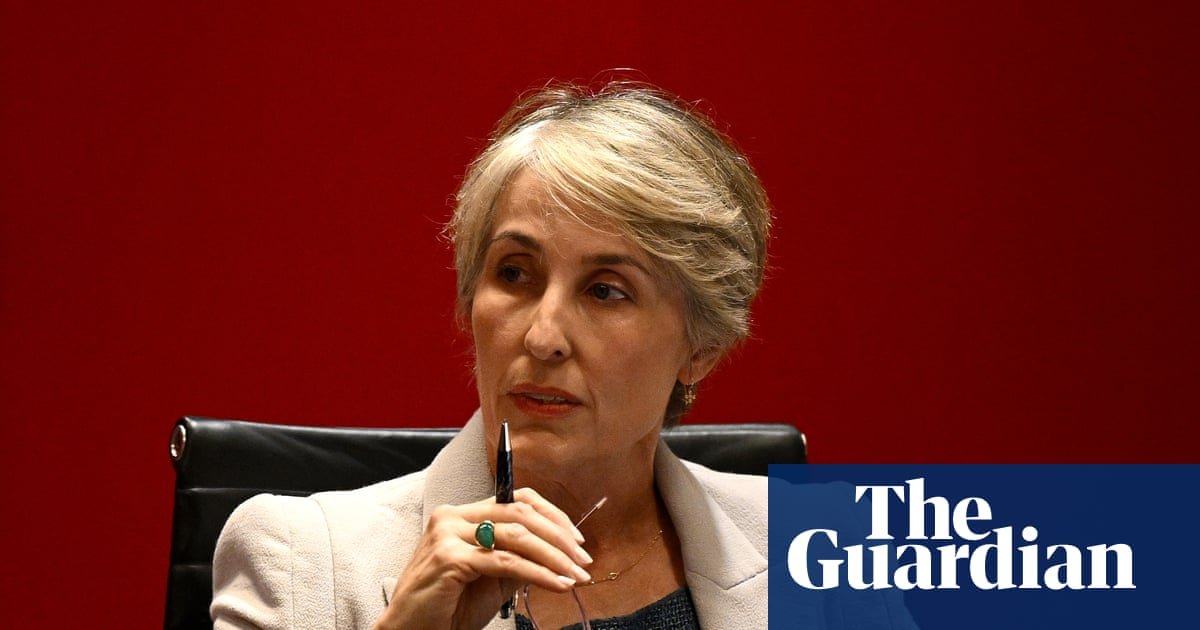
New South Wales’ top prosecutor has been given the green light to continue her fight to get a senior judge removed from a historical sexual offences trial on the grounds of apprehended bias.
The ruling from the NSW supreme court is the latest development in a long-running row between the director of public prosecutions, Sally Dowling SC, and district court judge Penelope Wass. The dispute went before the NSW court of appeal last week.
As part of her recusal application, the DPP referred to a submission that Wass made to a parliamentary committee, in which she was highly critical of Dowling. The court of appeal had to determine whether the centuries-old bill of rights, which protects parliamentary freedom of speech, implied that the submission cannot be used to support the push to recuse Wass.
On Thursday, the court ruled that the bill of rights did not “prevent the director from making (and the district court from determining) a recusal application on the ground of apprehended bias”.
It reasoned that the courts must, under the nation’s constitution, be free from bias or the apprehension of bias: “The operation of Article 9 [of the bill of rights] cannot produce a different result.”
However the court noted that its decision “does not determine, and is not to be understood as expressing any views concerning, the merits of the application that the judge disqualify herself”.
The recusal application against Wass has yet to be determined.
Sign up: AU Breaking News email
In December, Wass was highly critical of Dowling, calling for parliament to consider removing her as the state’s top prosecutor, as part of a 68-page submission to a parliamentary inquiry.
In the submission, the judge accused Dowling of organising for details of an Indigenous child – whom Wass allowed to perform a “welcome to country statement” before sentencing them for serious crimes – to be leaked to Sydney radio station 2GB.
The name of the child was not broadcast during an October 2024 program in which presenter Ben Fordham criticised the incident, but Wass alleged the leak was a breach of a prohibition on naming child defendants in criminal proceedings.
Wass alleged in her submission that Dowling had personally organised the leak, and that she had received threats and offensive comments from the public after the report was aired.
Dowling told the inquiry that the leak had occurred from the ODPP’s media unit, but denied being personally involved in it. She alleged Wass had a “personal grievance” against her and the ODPP, and accused the inquiry of a “gross denial of procedural fairness”.
The court, in its ruling on Friday, said it “does not express any view, and is not to be understood as expressing any view, concerning the merits of [Wass’s] submission” to the inquiry.
However it called the submission “extraordinary”, adding that it was “highly unusual for a sitting judicial officer to make a submission to a parliamentary committee bearing upon the conduct of any particular litigant”, and that judges “need to refrain from making statements which are capable of giving rise to a perception that the judge may not deal with matters before that judge impartially”.
Wass has been among a number of district court judges who have criticised the ODPP’s handling of sexual assault prosecutions under Dowling’s tenure.
Dowling’s decision to use a typically privileged document to make a recusal application against Wass was also examined by the parliament’s privileges committee. Members of the inquiry into identity protections for proceedings involving children asked the committee to examine whether the ODPP had breached parliamentary rules, citing a potentially “chilling effect” for future witnesses.
It is not yet clear how the court’s ruling impacts that examination.
