
Close Menu

    Subscribe to Updates

    Get the latest creative news from FooBar about art, design and business.

    What's Hot

    Weekly bread rolls and an Irish bender: six readers on gestures that made them feel less lonely | Well actually

    ‘Get back to work’: Amazon faces fresh scrutiny over workplace safety record | Amazon

    ‘In two years, nobody will care’ if actors are AI or not, predicts La Haine director | AI

    Facebook X (Twitter) Instagram
    Facebook X (Twitter) YouTube LinkedIn
    Naija Global News |
    Wednesday, April 22
    • Business
    • Health
    • Politics
    • Science
    • Sports
    • Education
    • Social Issues
    • Technology
    • More
      • Crime & Justice
      • Environment
      • Entertainment
    Naija Global News |
    You are at:Home»Science»How a clump of moss helped convict grave robbers in Illinois | Science
    Science

    How a clump of moss helped convict grave robbers in Illinois | Science

    onlyplanz_80y6mtBy onlyplanz_80y6mtMarch 5, 2026003 Mins Read
    Share Facebook Twitter Pinterest LinkedIn Tumblr Email
    How a clump of moss helped convict grave robbers in Illinois | Science
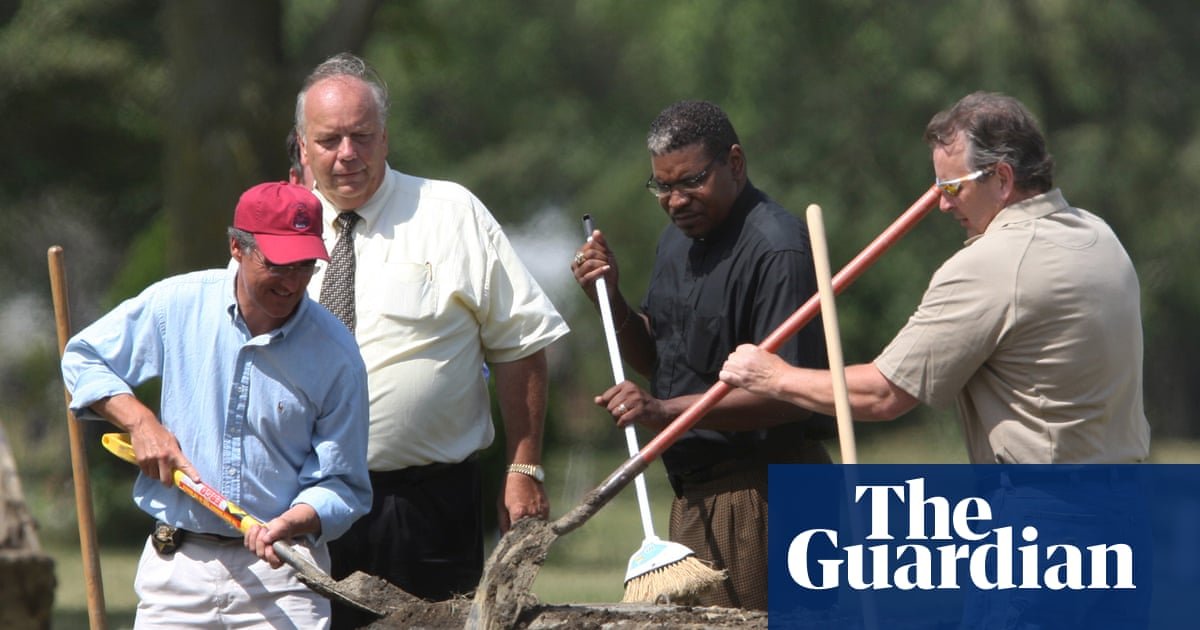
    A police investigation found remains buried under inches of earth at Burr Oak cemetery. Photograph: Chicago Tribune/Tribune News Service/Getty Images
    Share
    Facebook Twitter LinkedIn Pinterest Email

    It was a particularly heinous crime. Four workers at a cemetery near Chicago dug up more than 100 bodies and dumped the remains elsewhere in the grounds, in order to resell the burial plots for profit.

    Now, nearly two decades after the scandal broke at Burr Oak cemetery in Alsip, Illinois, scientists have released details of how a tiny clump of moss became crucial forensic evidence that helped convict the grave robbers.

    Dr Matt von Konrat, head of botanical collections at the Field Museum in Chicago, was drawn into the case in 2009 when he received a phone call from the FBI. “They asked if I knew about moss and brought the evidence to the museum,” he said.

    An investigation by local police had found human remains buried under inches of earth at the cemetery, a site of enormous historical importance. Several prominent African Americans are buried at the cemetery, including Emmett Till, whose murder in 1955 became a catalyst for the civil rights movement, and the blues singer Dinah Washington.

    Alongside the re-buried remains, forensic specialists spotted various plants, including a piece of moss about the size of a fingertip. Hoping that it would help them crack the case, the FBI asked von Konrat to work out where the moss came from and how long it had been there.

    After examining the moss under a microscope and comparing it with dried specimens in the museum’s collection, the scientists identified it as common pocket moss, or Fissidens taxifolius. A survey at the cemetery found that the species did not grow where the corpses were discovered, but was abundant in a lightly shaded area beneath some trees where police suspected the bodies had been dug up. The moss had evidently been moved with the bodies.

    But when was the crime committed? The answer lay in a quirk of moss biology. “This is the cool thing about moss,” von Konrat said. “When we’re dead, we’re dead, but with mosses, it’s bizarre. Even when we might think they’re dead, they can still have an active metabolism.” The metabolism drops slowly over time as cells gradually die off.

    Emmett Till is among those whose remains are buried in the cemetery. Photograph: Charles Rex Arbogast/AP

    One way to measure moss metabolism is to bathe it in light and see how much is absorbed by the chlorophyll used to make food through photosynthesis, and how much light is re-emitted. The scientists ran tests on the moss found with the bodies, on a fresh clump from the cemetery, and other specimens from the museum’s collection.

    “We concluded that the moss had been buried for less than 12 months and that was important because the accused’s whole line of defence was that the crime took place before their employment. They were arguing that it happened years and years earlier,” said von Konrat. Details are published in Forensic Sciences Research.

    Doug Seccombe, a former FBI agent who worked on the case and a co-author of the study, said the plant material from the cemetery was “key” to securing the convictions when the case went to trial.

    Von Konrat, who is a fan of the BBC forensic science drama Silent Witness, never expected to be working on a criminal case, but now wants to highlight how important mosses might be for forensic investigations. “I had no idea we’d be using our science, our collections, in this manner,” he said. “It underscores how important natural history collections are. We never know how we might apply them in the future.”

    clump convict grave Helped Illinois Moss robbers Science
    Share. Facebook Twitter Pinterest LinkedIn Tumblr Email
    Previous ArticleHow War in the Persian Gulf Could Spill Into the U.S. Economy
    Next Article Trump administration is failing to address spread of measles, experts say | Trump administration
    onlyplanz_80y6mt
    • Website

    Related Posts

    From burning bins to building bridges: how restorative justice helped one woman after Southport riots | Crime

    April 19, 2026

    ‘Oscar of science’ awarded to team behind gene therapy that restores lost vision | Science

    April 19, 2026

    University Helped Erode Trust in Higher Ed

    April 18, 2026
    Add A Comment
    Leave A Reply Cancel Reply

    Top Posts

    Watch Lady Gaga’s Perform ‘Vanish Into You’ on ‘Colbert’

    September 9, 20251 Views

    Advertisers flock to Fox seeking an ‘audience of one’ — Donald Trump

    July 13, 20251 Views

    A Setback for Maine’s Free Community College Program

    June 19, 20251 Views
    Stay In Touch
    • Facebook
    • YouTube
    • TikTok
    • WhatsApp
    • Twitter
    • Instagram
    Latest Reviews

    At Chile’s Vera Rubin Observatory, Earth’s Largest Camera Surveys the Sky

    By onlyplanz_80y6mtJune 19, 2025

    SpaceX Starship Explodes Before Test Fire

    By onlyplanz_80y6mtJune 19, 2025

    How the L.A. Port got hit by Trump’s Tariffs

    By onlyplanz_80y6mtJune 19, 2025

    Subscribe to Updates

    Get the latest tech news from FooBar about tech, design and biz.

    Most Popular

    Watch Lady Gaga’s Perform ‘Vanish Into You’ on ‘Colbert’

    September 9, 20251 Views

    Advertisers flock to Fox seeking an ‘audience of one’ — Donald Trump

    July 13, 20251 Views

    A Setback for Maine’s Free Community College Program

    June 19, 20251 Views
    Our Picks

    Weekly bread rolls and an Irish bender: six readers on gestures that made them feel less lonely | Well actually

    ‘Get back to work’: Amazon faces fresh scrutiny over workplace safety record | Amazon

    ‘In two years, nobody will care’ if actors are AI or not, predicts La Haine director | AI

    Recent Posts
    • Weekly bread rolls and an Irish bender: six readers on gestures that made them feel less lonely | Well actually
    • ‘Get back to work’: Amazon faces fresh scrutiny over workplace safety record | Amazon
    • ‘In two years, nobody will care’ if actors are AI or not, predicts La Haine director | AI
    • How contagious is measles and what are the symptoms? | Well actually
    • Carney names broad team to advise on tense US-Canada trade talks | Canada
    © 2026 naijaglobalnews. Designed by Pro.
    • About Us
    • Disclaimer
    • Get In Touch
    • Privacy Policy
    • Terms and Conditions

    Type above and press Enter to search. Press Esc to cancel.