

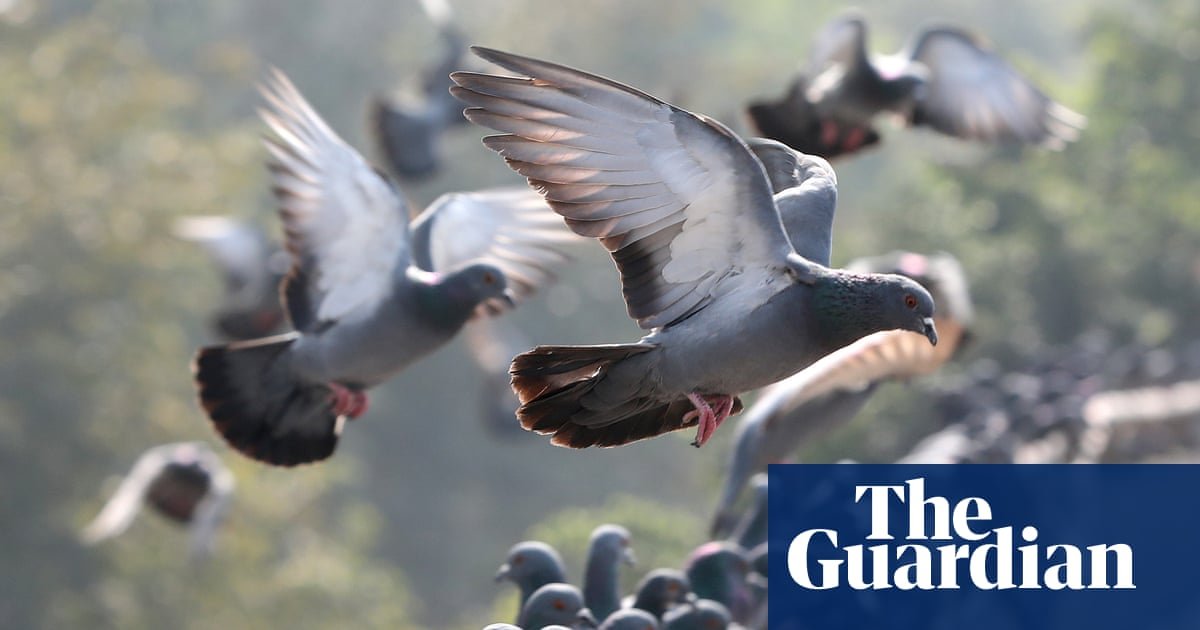
Plants and animals are disappearing at an alarming rate across the planet, with some estimates suggesting a loss of up to 150 species every day. Meanwhile, the versatile species that thrive alongside humans, such as pigeons, rats and cockroaches, expand to fill the vacant gaps. Some scientists are calling this loss of biodiversity the “homogenocene”: the era when the world’s wildlife became more samey.
It started during the last ice age, when humans hunted large mammals such as the mammoth to extinction, and has continued to the present day as land is cleared to make way for fields, farms and cities. Specialist creatures that exploit a particular niche – such as the flightless Fijian bar-winged rail – have been pushed out by adaptable generalists, like mongooses, brought to Fiji by humans in the 1800s. More recently the homogenocene has hit the oceans, with warmer waters devastating coral reefs for example.
Extremely warm waters have led to wildlife loss in coral reefs. Photograph: Jorge Silva/Reuters
Writing in The Conversation, the palaeobiologists Mark Williams and Jan Zalasiewicz from the University of Leicester describe how the most dramatic changes have taken place in recent decades. But the onward march of the homogenocene isn’t always inevitable. When humans actively manage the land to enhance wildlife – by removing dominant invasive species, or using less land to grow food for example – diversity increases and nature bounces back.
