

Soaring, scorching, record temperatures, yet again. Distressing, protracted droughts. Raging fires and devastating floods. Australia’s summer is drawing to a close, and a reprieve from climate whiplash can’t come soon enough.
We’ve witnessed and suffered immense losses and deep heartache for wildlife, ecosystems, and our communities. There was a time when the dire potential consequences of climate change and environmental destruction were warnings, calls from scientists and experts for increased and urgent action. Now an unsettling possibility feels like a disturbing reality.
The decisions of our political leaders, who continue to approve fossil fuel project expansions and widespread land clearing and habitat destruction, are coming home to roost in ever more predictable, catastrophic and emotionally confronting ways. A series of recent events spanning the southern part of the continent provide a stark and sobering illustration.
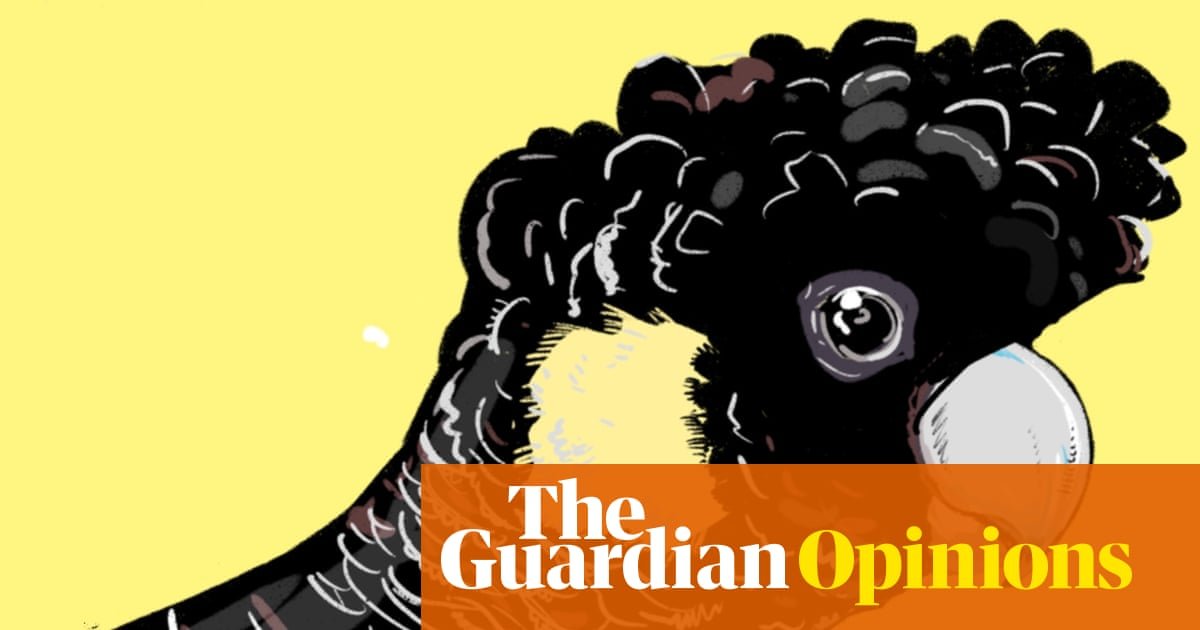
In Western Australia’s Fitzgerald River national park, over 170,000 hectares have burnt, impacting habitats of multiple threatened species including the dibbler – a diminutive native marsupial – and the western bristlebird. Fire also encompassed key breeding areas for Carnaby’s cockatoo.
Reassuringly, we know some chicks survived, but the full toll of this fire and long-term implications for these cockatoos and other co-occurring species remains to be determined.
Greater Glider Illustration: Jess Harwood/The Guardian
In Victoria, fires burnt through more than 400,000 hectares – an area equivalent to 200,000 Melbourne Cricket Grounds – spanning semi-arid heathlands and mallee, woodlands, forests and alpine ecosystems. 60,000 hectares of Wilkerr (dingo) habitat alone went up in smoke in just a few days.
In other regions, fires destroyed large areas of habitat, the homes of threatened wildlife, including barking owls and greater gliders. Like Carnaby’s cockatoos, these species rely on tree hollows to live in and raise their young; these hollows can take over 100 years to form, but just hours or days to turn to ash.
The housing crisis is an existential threat for wildlife. Australia’s colonial legacy of deforestation means that in many areas tree hollows are already in exceedingly short supply; frequent, large and severe fires only compound the problem.
Elevated and extreme heat doesn’t just make fires more likely; it is lethal in other ways. Flying foxes have died in their tens of thousands across Victoria, NSW, and South Australia; grey-headed flying foxes have been the worst-affected species.
Bats Illustration: Jess Harwood
Put simply, when temperatures soar into the high 30s and 40s and this extreme heat is sustained over many hours and days, bats can no longer regulate their core body temperature. Their frantic fanning of wings and licking of skin is often futile, unable to prevent severe heat stress, dehydration, and, ultimately, death. These very same bats help to spread seeds and pollinate forests as they journey out each night and migrate over thousands of kilometres throughout the year.
There is a tragic inevitability about what these bats – and, indeed, countless other species – confront in this “new normal”. If we continue to destroy their habitats, and politicians wave through yet more coal and gas approvals, even more mass mortality events could be a matter of when, not if.
Flying foxes are entering an extinction vortex, where threats compound upon each other, populations correspondingly dwindle and finally, species are extinguished – forever.
A broad shelled turtle. ‘How do we explain and justify that water is a lucrative economic commodity for some but not freely available to serve its most important function – to sustain life?’ Illustration: Jess Harwood
Aquatic life isn’t spared either. In Broken Hill, NSW, barking marsh frogs, eel-tailed catfish and turtle species (eastern long-necked, eastern short-necked, and broad-shelled) suffer and cling to life as their isolated aquatic home evaporates. Water turns putrid as it recedes, and the lake may dry out completely for the first time in 130 years.
Locals are currently fundraising for emergency environmental water. How do we explain and justify that water is a lucrative economic commodity for some but not freely available to serve its most important function – to sustain life?
In addition to drought, climate change is powering an increased frequency and intensity of deadly algal blooms. In South Australia’s Yorke Peninsula and Kangaroo Island, high concentrations of Karenia dinoflagellates are wreaking devastation underwater. Dolphins, sea dragons, other fish species, and shellfish have all been killed.
Weedy Sea Horse Illustration: Jess Harwood/The Guardian
Despite these gut-wrenching scenes, a choice and brighter future remains possible.
Continue as we are, and laws of physics, chemistry and ecological realities will seal our fate: an ever more inhospitable and perilous existence. Or, we can increase our demands for a safer, more sustainable future for all, and all work even harder together to achieve this.
We must change course: we owe it to current and future generations and the extraordinary and unique plants, animals and other life we share this world with.
