

Unlock the White House Watch newsletter for free
Your guide to what Trump’s second term means for Washington, business and the world
The US will allow Venezuelan oil to be resold to Cuba through private-sector intermediaries, providing a lifeline to the Caribbean island amid a desperate fuel shortage and humanitarian crisis.
The US Treasury department’s sanctions enforcement body, the Office of Foreign Assets Control (Ofac), on Wednesday said it would approve applications from third parties to resell Venezuelan crude and refined products to Cuba via the nation’s fledgling private sector.
Ofac said: “This favourable licensing policy is directed towards transactions that support the Cuban people, including the Cuban private sector.”
The agency said the new licensing policy would not cover transactions “involving, or for the benefit, of any persons or entities associated with the Cuban military, intelligence services or other government institutions”.
Over the past six decades, Cuba has depended on oil imports from the Soviet Union and later Venezuela, which sent supplies in exchange for counter-intelligence operatives and medical personnel until US special forces captured its leader Nicolás Maduro on January 3.
Washington has since taken control of Venezuelan oil sales, with millions of barrels of oil being stockpiled by trading houses including Vitol and Trafigura, causing storage facilities across the Caribbean to fill up in recent weeks.
Meanwhile, Cuba, which produces only enough fuel to meet 40 per cent of national demand, is grappling with severe shortages, leaving power plants and home generators idle amid a deepening humanitarian crisis.
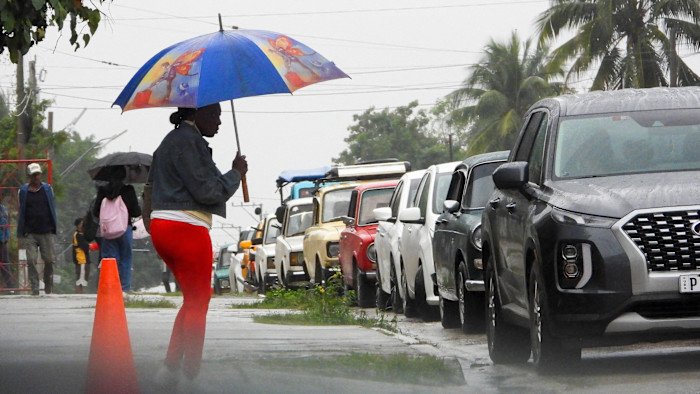
Hospitals have reduced operations in recent weeks as disease and hunger surge while drivers queue for hours in the hope of filling their tanks. Blackouts are a daily reality across much of the island and airlines — deprived of jet fuel — have grounded flights.
“We are facing an energy siege with direct implications for the lives of Cubans,” health minister José Ángel Portal Miranda said last week. “You cannot damage a state’s economy without affecting its inhabitants.”
A decline in tourism and agriculture, alongside several countries scrapping their contracts with Cuban doctors, have aggravated the crisis, depriving Havana of foreign exchange to pay for imports.
Recommended
In response to the crisis, Havana — which has long controlled the oil trade along with much of the economy — this month allowed private businesses to import fuel.
As a result of loosening restrictions, private importers are booming, bringing in food and solar panels as well as some luxury goods to those that can afford the high prices they command.
Mexico had also provided Cuba with oil, though it paused deliveries after US President Donald Trump last month threatened tariffs on countries that supply Havana with fuel. Mexico City has sent two aid packages made up largely of food to the island in the past month. Canada has also pledged to send food aid.
