
Close Menu

    Subscribe to Updates

    Get the latest creative news from FooBar about art, design and business.

    What's Hot

    Astronomers spot a young sun blowing bubbles inside the Milky Way

    Toxic waste from screens ends up in endangered dolphins, study finds | Waste

    Trump Heralds Economic Policies in Combative State of the Union Speech

    Facebook X (Twitter) Instagram
    Facebook X (Twitter) YouTube LinkedIn
    Naija Global News |
    Wednesday, February 25
    • Business
    • Health
    • Politics
    • Science
    • Sports
    • Education
    • Social Issues
    • Technology
    • More
      • Crime & Justice
      • Environment
      • Entertainment
    Naija Global News |
    You are at:Home»Environment»Toxic waste from screens ends up in endangered dolphins, study finds | Waste
    Environment

    Toxic waste from screens ends up in endangered dolphins, study finds | Waste

    onlyplanz_80y6mtBy onlyplanz_80y6mtFebruary 25, 2026003 Mins Read
    Share Facebook Twitter Pinterest LinkedIn Tumblr Email
    Toxic waste from screens ends up in endangered dolphins, study finds | Waste
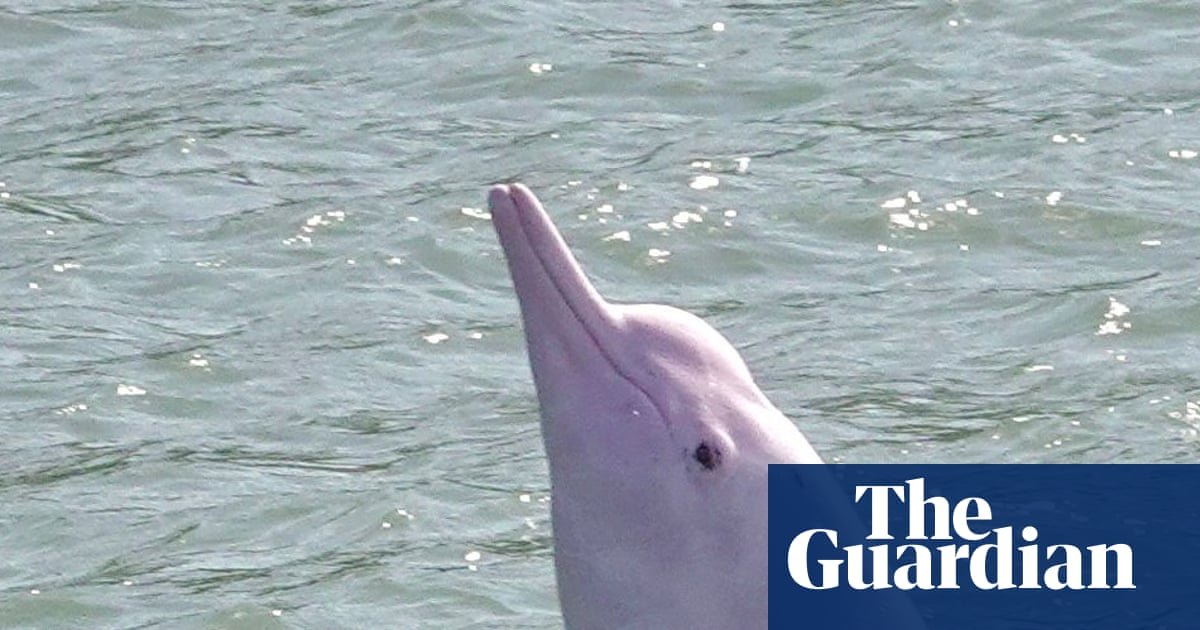
    Indo-Pacific humpback dolphin in the South China Sea off Hong Kong. Photograph: Thomas Tue
    Share
    Facebook Twitter LinkedIn Pinterest Email

    Toxic e-waste chemicals from television, computer and smartphone screens have been found in the brains and bodies of endangered dolphins and porpoises in the South China Sea.

    Research published in Environmental Science & Technology detected significant levels of gene-altering liquid crystal monomers (LCMs) in Indo-Pacific humpback dolphins and finless porpoises.

    LCMs are synthetic, organic chemicals commonly used in the manufacture of screens for televisions, laptops and smartphones. These chemicals control how light passes through display screens and enable the clear images users have come to expect from devices.

    LCM pollutants from e-waste are of particular concern to scientists because they contaminate the air, wastewater and oceans.

    “These light-emitting organic chemicals were designed to be very stable so they could last a long time inside your TV, computer and phone screens,” said Yuhe He, one of the study’s authors and a researcher at City University of Hong Kong. “Ironically, this very stability is what makes them a problem in the environment: they don’t easily break down.”

    Previous studies have illustrated that these pollutants pose health risks to humans as well as sea animals.

    The toxic pollutants detected in the dolphins and porpoises have been similarly detected in the fish and invertebrates that these species eat, suggesting that LCMs enter the animals through the food chain.

    He and colleagues analysed tissue samples from the endangered species in the South China Sea over 14 years. They screened for 62 individual liquid crystal monomers across samples of dolphin and porpoise blubber, muscle, liver, kidney and brain tissue.

    Since the research began, manufacturers have largely replaced LCMs with LEDs (light-emitting diodes) in screens. The scientists noticed a correlation between the rise and fall of the use of these chemicals and their accumulation in the sea animals over the course of the study.

    Analysis shows that activity from the four most detected types of LCMs included gene alteration related to DNA repair and cell division in dolphin cells.

    While the highest concentrations of the contaminants were found in the blubber, the scientists were surprised to detect small amounts of LCMs in the animals’ brains, which demonstrated the chemicals’ ability to cross the blood-brain barrier.

    “The presence of LCMs in their brains is a major red flag,” He said. “If these chemicals can cross the blood-brain barrier in dolphins, we must be concerned about the potential for similar effects in humans who are exposed through contaminated seafood or even drinking water.”

    Electronic waste is a growing problem around the world, with 62m tonnes of it generated each year. The main culprit is “fast tech” – cheap and often poorly manufactured items viewed as disposable, including devices that use LCMs.

    To reduce the damage, the researchers said people should try to extend the life of their electronics through repairs and disposing of them using certified e-waste recycling methods.

    The researchers added that stricter regulations were needed over the use of persistent chemicals in consumer electronics before they enter the market.

    “We don’t yet have direct evidence of the human health impact, but our lab tests on dolphin cells showed that these chemicals can alter gene activity related to DNA repair and cell division,” He said.

    “This is a warning signal. If we wait until the damage to human health is fully proven, it will likely be too late. Acting now on e-waste regulation is about preventing a future public health crisis.”

    dolphins Endangered Ends finds screens study toxic waste
    Share. Facebook Twitter Pinterest LinkedIn Tumblr Email
    Previous ArticleTrump Heralds Economic Policies in Combative State of the Union Speech
    Next Article Astronomers spot a young sun blowing bubbles inside the Milky Way
    onlyplanz_80y6mt
    • Website

    Related Posts

    People living in UK’s poorest areas have less diverse gut bacteria, study finds | Poverty

    February 25, 2026

    Group expands legal claim over South West Water sewage pollution | Water industry

    February 25, 2026

    Anger over plans to abolish New Zealand’s dedicated environment ministry | New Zealand

    February 25, 2026
    Add A Comment
    Leave A Reply Cancel Reply

    Top Posts

    Watch Lady Gaga’s Perform ‘Vanish Into You’ on ‘Colbert’

    September 9, 20251 Views

    Advertisers flock to Fox seeking an ‘audience of one’ — Donald Trump

    July 13, 20251 Views

    A Setback for Maine’s Free Community College Program

    June 19, 20251 Views
    Stay In Touch
    • Facebook
    • YouTube
    • TikTok
    • WhatsApp
    • Twitter
    • Instagram
    Latest Reviews

    At Chile’s Vera Rubin Observatory, Earth’s Largest Camera Surveys the Sky

    By onlyplanz_80y6mtJune 19, 2025

    SpaceX Starship Explodes Before Test Fire

    By onlyplanz_80y6mtJune 19, 2025

    How the L.A. Port got hit by Trump’s Tariffs

    By onlyplanz_80y6mtJune 19, 2025

    Subscribe to Updates

    Get the latest tech news from FooBar about tech, design and biz.

    Most Popular

    Watch Lady Gaga’s Perform ‘Vanish Into You’ on ‘Colbert’

    September 9, 20251 Views

    Advertisers flock to Fox seeking an ‘audience of one’ — Donald Trump

    July 13, 20251 Views

    A Setback for Maine’s Free Community College Program

    June 19, 20251 Views
    Our Picks

    Astronomers spot a young sun blowing bubbles inside the Milky Way

    Toxic waste from screens ends up in endangered dolphins, study finds | Waste

    Trump Heralds Economic Policies in Combative State of the Union Speech

    Recent Posts
    • Astronomers spot a young sun blowing bubbles inside the Milky Way
    • Toxic waste from screens ends up in endangered dolphins, study finds | Waste
    • Trump Heralds Economic Policies in Combative State of the Union Speech
    • The rise of rejection sensitive dysphoria: ‘My chest feels like it’s collapsing’ | Health
    • FedEx sues US government, seeking ‘full refund’ over Trump tariffs | Trump tariffs
    © 2026 naijaglobalnews. Designed by Pro.
    • About Us
    • Disclaimer
    • Get In Touch
    • Privacy Policy
    • Terms and Conditions

    Type above and press Enter to search. Press Esc to cancel.