

February 23, 2026
2 min read
Add Us On GoogleAdd SciAm
Why the Northeast blizzard’s snow is ideal for snowballs and snowmen
School is out as heavy, wet snow blankets parts of the Northeast. Though it will be a pain to shovel, it makes for perfect snowballs and the most structurally sound snowmen
Olga Pankova/Getty Images
A blizzard that brought more than 15 inches of snow to New York City has shuttered schools and stymied travel across New York State, New Jersey, Connecticut, Rhode Island and Massachusetts.
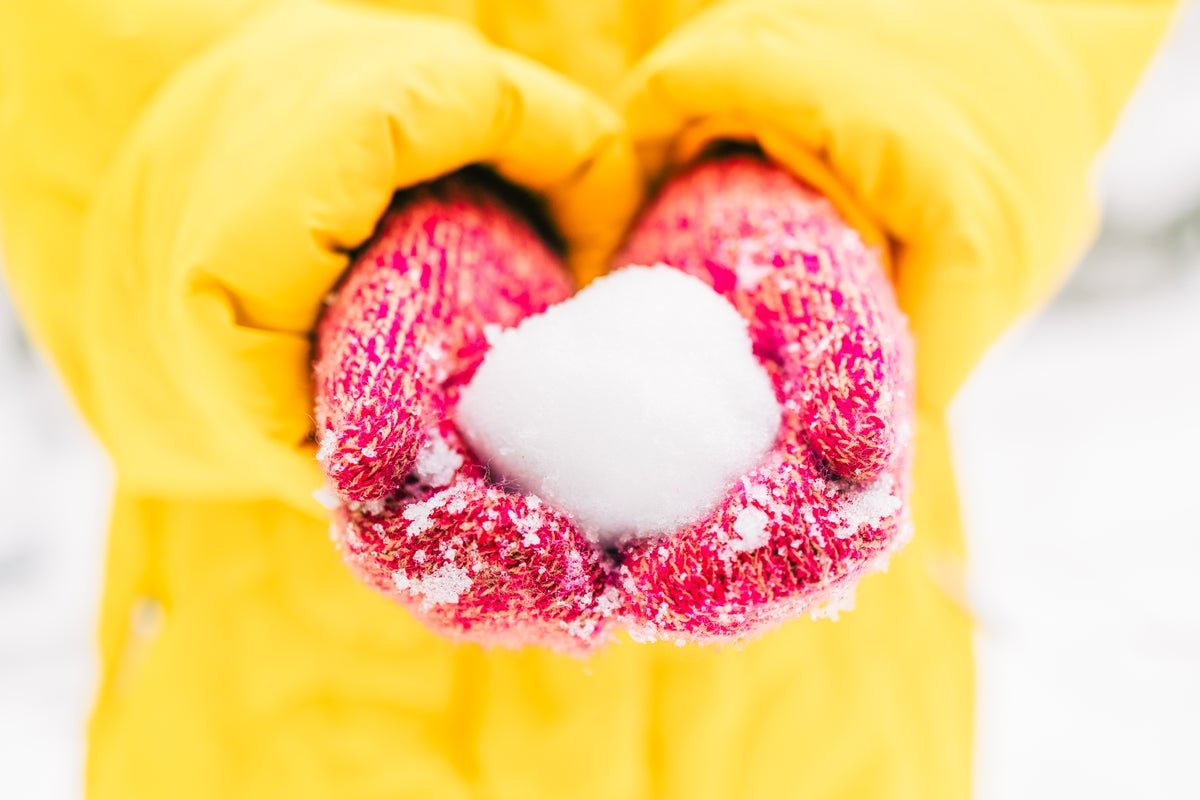
So what to do with all that snow? Well, when you’re done breaking your back shoveling, experts recommend snowball fights and sledding.
The snowfall hitting the Northeast is heavy and high in moisture, the result of cold Arctic air hitting warmer, moist air from the Atlantic. The storm system stalled over the region, dropping all that moisture—now chilled into white flakes—onto roads, power lines, sidewalks and lawns. While adults may decry the need to shovel the wet, heavy snow, it should be perfect for snowmen and snowballs, says Alicia Wasula, a meteorologist and president of the consulting firm STM Weather in Troy, N.Y.
On supporting science journalism
If you’re enjoying this article, consider supporting our award-winning journalism by subscribing. By purchasing a subscription you are helping to ensure the future of impactful stories about the discoveries and ideas shaping our world today.
“I don’t think any of the kids are going to complain,” Wasula says.
Conditions in the region were optimized for dense, heavy snow, with air temperatures hovering around freezing. Colder air usually leads to fluffier snow, Wasula says, while temperatures around 32 degrees Fahrenheit (zero degree Celsius) result in heavier, wetter snow because the crystals melt a bit and clump together as they hit the ground. Accumulation can also depend on the type of flake, which is determined by the temperature within the cloud where the snow forms, Wasula says. Classic six-sided snowflakes, known as dendritic flakes, accumulate best.
Meteorologists quantify snow’s density by its snow-to-liquid ratio, which is essentially how much water there is per inch of snow. On average, snow contains about an inch of water per 10 inches of snow, but that varies a lot from storm to storm, Wasula says. The heaviest snow can have a ratio as low as 3:1 or 4:1, meaning every three to four inches of snow contains an inch of water. Meanwhile the fluffiest snow can have ratio of more than 30:1, meaning it takes 30 inches of powder to add up to an inch of water.
Morning observations on the East Coast, taken before 8 A.M. local time, suggested that the snow-to-liquid ratio of the snow that fell overnight was between 10:1 and 15:1 (that ratio could change throughout the day on Monday). That’s not ideal for skiers, who prefer snow with around a 20:1 ratio for a light, floaty ride. But the snow is wet enough to pack nicely into snowballs, build the most structurally sound snowmen and provide a nice, slick surface for sledders. Winds that are associated with the low-pressure system of the storm may keep kids indoors for much of today, but temperatures in the 30s F (low single digits C) in the next couple of days in much of the Northeast will mean more opportunities for kids to play in the white stuff.
“It should stick around for a bit, for sure,” Wasula says.
It’s Time to Stand Up for Science
If you enjoyed this article, I’d like to ask for your support. Scientific American has served as an advocate for science and industry for 180 years, and right now may be the most critical moment in that two-century history.
I’ve been a Scientific American subscriber since I was 12 years old, and it helped shape the way I look at the world. SciAm always educates and delights me, and inspires a sense of awe for our vast, beautiful universe. I hope it does that for you, too.
If you subscribe to Scientific American, you help ensure that our coverage is centered on meaningful research and discovery; that we have the resources to report on the decisions that threaten labs across the U.S.; and that we support both budding and working scientists at a time when the value of science itself too often goes unrecognized.
In return, you get essential news, captivating podcasts, brilliant infographics, can’t-miss newsletters, must-watch videos, challenging games, and the science world’s best writing and reporting. You can even gift someone a subscription.
There has never been a more important time for us to stand up and show why science matters. I hope you’ll support us in that mission.
