
Close Menu

    Subscribe to Updates

    Get the latest creative news from FooBar about art, design and business.

    What's Hot

    Consumer Protection Group Unveils Student AI Bill of Rights

    Want to know capitalism’s endgame? Just look at private equity – it has captured our everyday lives | Hettie O’Brien

    Bangladesh launches measles vaccination drive as child death toll passes 100 | Bangladesh

    Facebook X (Twitter) Instagram
    Facebook X (Twitter) YouTube LinkedIn
    Naija Global News |
    Tuesday, April 7
    • Business
    • Health
    • Politics
    • Science
    • Sports
    • Education
    • Social Issues
    • Technology
    • More
      • Crime & Justice
      • Environment
      • Entertainment
    Naija Global News |
    You are at:Home»Environment»How does type 1 diabetes actually work?
    Environment

    How does type 1 diabetes actually work?

    onlyplanz_80y6mtBy onlyplanz_80y6mtFebruary 18, 2026003 Mins Read
    Share Facebook Twitter Pinterest LinkedIn Tumblr Email
    How does type 1 diabetes actually work?
    Share
    Facebook Twitter LinkedIn Pinterest Email

    This video is part of “Innovations In: Type 1 Diabetes,” an editorially independent special report that was produced with financial support from Vertex.

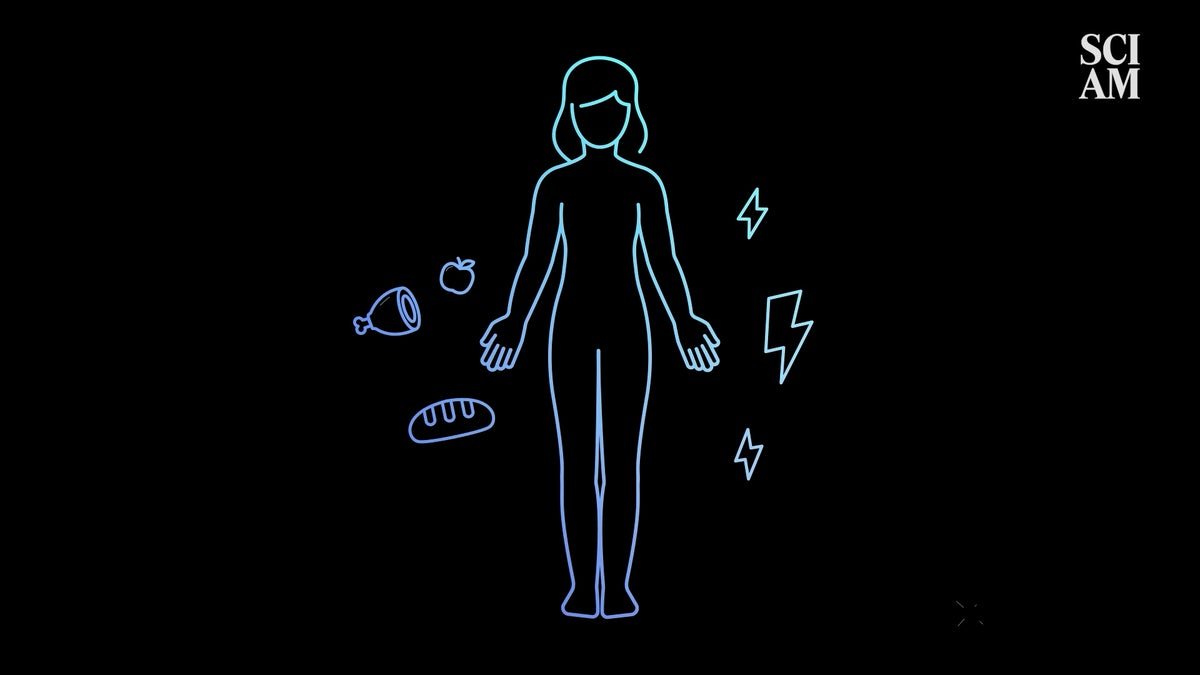
    Have you ever thought about how your body turns food into energy? Or just how carefully it has to manage that process?

    On supporting science journalism

    If you’re enjoying this article, consider supporting our award-winning journalism by subscribing. By purchasing a subscription you are helping to ensure the future of impactful stories about the discoveries and ideas shaping our world today.

    When we eat, the glucose from our food gets stored in the liver as glycogen. And based on our body’s needs, the liver will convert that glycogen back into glucose so that it can travel through the blood and get to our cells, which turn that glucose into energy.

    Meanwhile, our pancreas produces a hormone called insulin whose job is to go into the blood and tell our cells to take in that glucose. That also makes insulin a regulator of our body’s blood sugar levels, preventing the complications that can happen when our levels are too high or too low.

    When the pancreas stops producing insulin, glucose doesn’t enter our cells. Instead, it accumulates in the bloodstream. In some people, the pancreas stops making insulin altogether. This condition is known as type 1 diabetes.

    While the exact cause is mysterious, we know the disease happens because immune cells target and attack insulin-producing cells in the pancreas called beta cells. As those cells get destroyed, the body stops producing insulin and loses the key regulator of blood sugar levels. That in turn can drive a number of symptoms including fatigue and weakness.

    Over the 20th and 21st centuries, scientists have developed technologies that have made type 1 diabetes treatable. These include meters to check blood glucose levels and pumps that give small doses of insulin. And with advances in construction and software, these tools have become smaller and more portable. Despite these advances, scientists are still pursuing a cure for type 1 diabetes.

    It’s Time to Stand Up for Science

    If you enjoyed this article, I’d like to ask for your support. Scientific American has served as an advocate for science and industry for 180 years, and right now may be the most critical moment in that two-century history.

    I’ve been a Scientific American subscriber since I was 12 years old, and it helped shape the way I look at the world. SciAm always educates and delights me, and inspires a sense of awe for our vast, beautiful universe. I hope it does that for you, too.

    If you subscribe to Scientific American, you help ensure that our coverage is centered on meaningful research and discovery; that we have the resources to report on the decisions that threaten labs across the U.S.; and that we support both budding and working scientists at a time when the value of science itself too often goes unrecognized.

    In return, you get essential news, captivating podcasts, brilliant infographics, can’t-miss newsletters, must-watch videos, challenging games, and the science world’s best writing and reporting. You can even gift someone a subscription.

    There has never been a more important time for us to stand up and show why science matters. I hope you’ll support us in that mission.

    diabetes Type work
    Share. Facebook Twitter Pinterest LinkedIn Tumblr Email
    Previous ArticleAfter the Epstein Files Release, Who Has Resigned, Been Fired or Is Being Investigated?
    Next Article US students and professors: tell us if the Epstein files have affected your university | US universities
    onlyplanz_80y6mt
    • Website

    Related Posts

    “The Thinking Machine,” AI, Higher Ed Professional Staff Work

    March 31, 2026

    Doctors waiting on asylum decisions can work in NHS as Home Office lifts ban | Immigration and asylum

    March 28, 2026

    “Epic Disruptions,” AI and Higher Ed Work

    March 24, 2026
    Add A Comment
    Leave A Reply Cancel Reply

    Top Posts

    Watch Lady Gaga’s Perform ‘Vanish Into You’ on ‘Colbert’

    September 9, 20251 Views

    Advertisers flock to Fox seeking an ‘audience of one’ — Donald Trump

    July 13, 20251 Views

    A Setback for Maine’s Free Community College Program

    June 19, 20251 Views
    Stay In Touch
    • Facebook
    • YouTube
    • TikTok
    • WhatsApp
    • Twitter
    • Instagram
    Latest Reviews

    At Chile’s Vera Rubin Observatory, Earth’s Largest Camera Surveys the Sky

    By onlyplanz_80y6mtJune 19, 2025

    SpaceX Starship Explodes Before Test Fire

    By onlyplanz_80y6mtJune 19, 2025

    How the L.A. Port got hit by Trump’s Tariffs

    By onlyplanz_80y6mtJune 19, 2025

    Subscribe to Updates

    Get the latest tech news from FooBar about tech, design and biz.

    Most Popular

    Watch Lady Gaga’s Perform ‘Vanish Into You’ on ‘Colbert’

    September 9, 20251 Views

    Advertisers flock to Fox seeking an ‘audience of one’ — Donald Trump

    July 13, 20251 Views

    A Setback for Maine’s Free Community College Program

    June 19, 20251 Views
    Our Picks

    Consumer Protection Group Unveils Student AI Bill of Rights

    Want to know capitalism’s endgame? Just look at private equity – it has captured our everyday lives | Hettie O’Brien

    Bangladesh launches measles vaccination drive as child death toll passes 100 | Bangladesh

    Recent Posts
    • Consumer Protection Group Unveils Student AI Bill of Rights
    • Want to know capitalism’s endgame? Just look at private equity – it has captured our everyday lives | Hettie O’Brien
    • Bangladesh launches measles vaccination drive as child death toll passes 100 | Bangladesh
    • What Makes for an Effective Public Comment?
    • ‘I see it as trafficking’: the brutal reality of life as a foreign student in the UK | International students
    © 2026 naijaglobalnews. Designed by Pro.
    • About Us
    • Disclaimer
    • Get In Touch
    • Privacy Policy
    • Terms and Conditions

    Type above and press Enter to search. Press Esc to cancel.