

The Good Law Project (GLP) has lost its legal challenge to interim advice released by the UK equalities watchdog that in effect said transgender people should be banned from using bathroom and changing facilities according to their lived gender.
The advice from the Equality and Human Rights Commission (EHRC), which has since been withdrawn from its website, was published soon after the landmark supreme court ruling on biological sex last April.
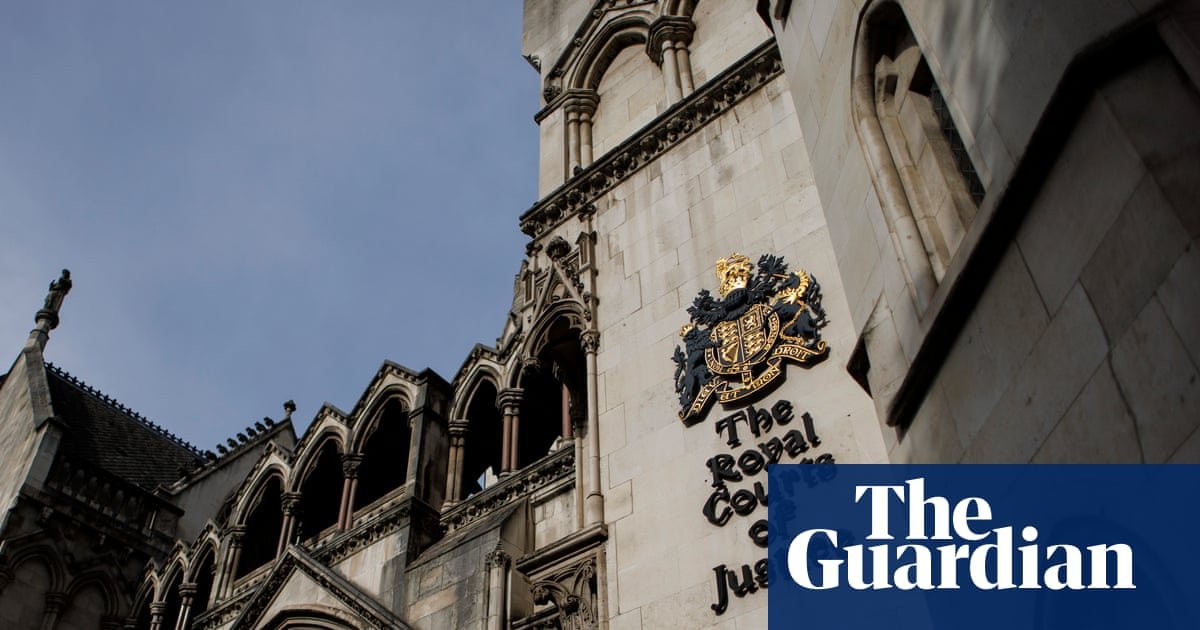
On Friday, Mr Justice Swift found the GLP “does not have standing to bring the challenge in this case” and rejected the arguments put by the group, along with two trans people and one intersex person, that the interim advice was rushed, legally flawed and excluded trans people from accessing services they had been using for years.
Welcoming the high court decision, the EHRC chair, Dr Mary-Ann Stephenson, said: “As Britain’s equality regulator, we uphold and enforce the Equality Act. This is the second time the way we have done our duty in the wake of the supreme court’s ruling has been tested in the courts. Both times our actions have been found to be lawful.
“It’s our job to champion everyone’s rights under the Equality Act, including those with the protected characteristics of sex, sexual orientation and gender reassignment. A shared and correct understanding of the law is essential to that endeavour.”
The ruling did find there was “scope for a strong argument” that allowing a trans woman to use a female toilet did not amount to discrimination against biological men, as some have argued since the supreme court ruling.
But in applying the ruling to workplaces, Swift came to the conclusion that transgender employees being forced to out themselves to co-workers by using unisex toilets did not amount to less favourable treatment in the eyes of the law, stating “up to a point, being the subject of comment by others is burden that anyone can expect to bear from time to time, and ought not to be a foundation for legal redress”.
The GLP director and founder, Jolyon Maugham, said this “wave away as ‘workplace gossip’ evidence of what it means to be outed in an increasingly transphobic and violent society” was “deeply troubling”. The GLP said it planned to appeal against the decision.
Maugham added: “I urge the judiciary to listen harder to what trans people say about what their lives have become.”
Melanie Field, a former civil servant who played a key role in drafting the Equality Act, said: “Sadly this judgment has not provided the clarity many were hoping for in this atmosphere where there are hardline positions on both sides and employers and service providers remain uncertain of their duties. Its reliance on the provision of universal and ‘third spaces’ to meet the needs of trans people raises practical challenges and could impact on the overall availability of single-sex facilities and the ability of trans and disabled people to live in equal dignity with others.
“It is positive in that it seems to reduce the risk that a women’s service that chooses to include trans women will face a successful discrimination case from a man. But overall the judgment highlights the difficulties caused by having a new interpretation of the legislation which conflicts with the original policy and drafting intention. Hopefully the government will now take steps to set out clearly its policy on the treatment of trans people in our society and ensure the law reflects that.”
The high court judgment is a significant boost for campaigners who have been growing increasingly frustrated at the slow pace of application of the ruling across the UK.
Earlier this month For Women Scotland, the gender-critical group that brought the original supreme court challenge, took the Scottish government to court again over guidance that trans prisoners should be housed according to individual risk assessment, which the group argues is contrary to last April’s ruling.
Maya Forstater, the chief executive of the gender-critical campaign group Sex Matters, which intervened in the GLP case, said the UK government’s equalities minister, Bridget Phillipson, “should now lay the full EHRC code of practice for service providers before parliament without further delay”.
UK ministers are still considering final guidance from the EHRC on new rules on how public bodies, businesses and other service providers should apply the supreme court ruling in practice.
Last month, the Guardian was told that in a change in approach under Stephenson, the new rules were being adapted to lessen the impact on businesses and to ensure the guidance tries to balance single-sex spaces with the lives of transgender people.
