

Campaigners are urging ministers to change the law so that music lyrics are inadmissible in court, a shift that they say would stop a practice that disproportionately affects young black men and criminalises creativity.
At present, police can produce lyrics written by defendants, and even flag an appearance in the background of a music video, as evidence that a suspect is affiliated with a gang or involved in criminality.
Campaign groups want a change to the victims and courts bill, which is currently making its way through parliament, to stop police from being able to present lyrics as evidence except when they are “literal, rather than figurative or fictional”.
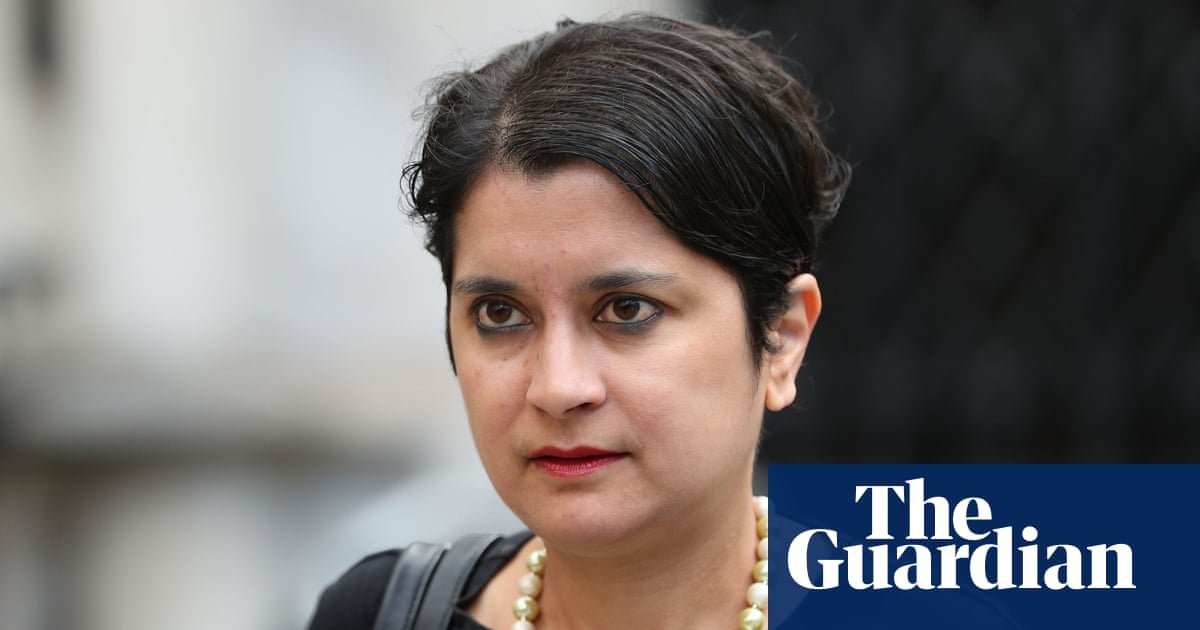
The amendment, which is being tabled by Baroness Shami Chakrabarti and has support from Baroness Doreen Lawrence, is due to be debated in the Lords this week.
Charkrabarti told the Guardian: “We’re in a ridiculous position at present where somebody’s musical taste is somehow probative of their criminal intent. It is like saying that my love of Francis Ford Coppola’s The Godfather makes me a mobster. It’s extraordinary.”
She is hopeful the amendment will be supported by the deputy prime minister, David Lammy.
The amendment was drafted by Keir Montieth KC, who is part of the Art Not Evidence campaign group, which has argued that lyrics should not be read literally and are often entirely false, exaggerated or simply part of artistic expression.
An open letter the group sent to Lammy when he was the justice secretary argued that “these creative expressions have no connection to the serious crimes alleged, and are used to paint a misleading and prejudicial picture, conflating art with evidence.”
The amendment would not rule out the use of lyrics but would only permit the practice when they are directly related to a case.
Charkrabarti said: “It has to be very limited and it has to be particular to the facts of the case and not just a general interest in this music, which somehow demonstrates a general proclivity to dishonesty or violence.”
The campaigners also want to see expert witnesses on this form of music in criminal prosecutions be independent, along with procedural safeguards against stereotyping.
Charkrabarti added that at present ex-officers are often used as experts, which she said amounted to “retired police officers enjoying a nice little side hustle as independent experts on rap and drill, which is where something that is abusive becomes positively absurd.”
The number of appeals involving cases where lyrics have been used by the police has tripled in recent years. The Metropolitan police in London has specific units that monitor behaviour on the internet, including rap videos and content.
The Crown Prosecution Service has previously told the Guardian that it “has never prosecuted anybody solely on the basis of their involvement with drill/rap music” but that “drill/rap music may be of specific relevance to the case against a suspect, in which case it may be used as evidence.”
However, research released in 2023 identified more than 70 trials from 2020-23 in which rap evidence including lyrics, music videos and audio recordings has been used by police and prosecutors to build their cases. Successful appeals against the use of lyrics or music video appearances are rare.
London and Manchester are the two cities where this kind of evidence is used in cases most often, while lyrics and music videos are regularly presented as evidence in joint enterprise cases such as the Manchester 10.
