
Close Menu

    Subscribe to Updates

    Get the latest creative news from FooBar about art, design and business.

    What's Hot

    What is China’s SpaceSail, and could it rival Elon Musk’s Starlink? | China

    FDA to discuss easing restrictions on peptides despite safety concerns | US healthcare

    Elizabeth Warren says ‘tsunami of anger’ could prompt reversal of Trump-era mega mergers | Elizabeth Warren

    Facebook X (Twitter) Instagram
    Facebook X (Twitter) YouTube LinkedIn
    Naija Global News |
    Saturday, June 27
    • Business
    • Health
    • Politics
    • Science
    • Sports
    • Education
    • Social Issues
    • Technology
    • More
      • Crime & Justice
      • Environment
      • Entertainment
    Naija Global News |
    You are at:Home»Science»PhD students’ taste for risk mirrors their supervisors’
    Science

    PhD students’ taste for risk mirrors their supervisors’

    onlyplanz_80y6mtBy onlyplanz_80y6mtJanuary 16, 2026003 Mins Read
    Share Facebook Twitter Pinterest LinkedIn Tumblr Email
    PhD students’ taste for risk mirrors their supervisors’

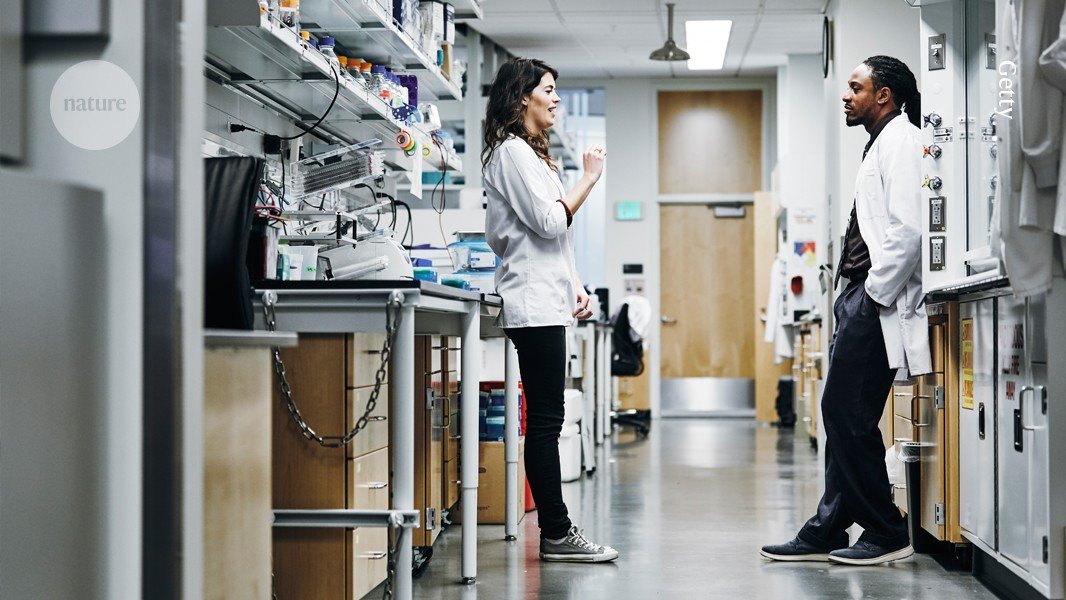
    Students are more likely to show risk-taking behaviour if their supervisors have a tendency for risky projects. Credit: Getty

    Share
    Facebook Twitter LinkedIn Pinterest Email

    Students are more likely to show risk-taking behaviour if their supervisors have a tendency for risky projects. Credit: Getty

    A researchers’ propensity for risky projects is passed down to their doctoral students — and stays with trainees after they leave the laboratory, according to an analysis1 of thousands of current and former PhD students and their mentors.

    Science involves taking risks, and some of the most impactful discoveries require taking big bets. However, scientists and policymakers have raised concerns that the current academic system’s emphasis on short-term outcomes encourages researchers to play it safe. Studies have shown, for example, that risky research is less likely to be funded2,3. Anders Broström, an economist studying science policy at the University of Gothenburg in Sweden, and his colleagues decided to examine the role of doctoral education in shaping risk-related behaviour — an area that Broström says has been largely overlooked.

    “We often focus on thinking about how we can change the funding systems to make it more likely for people to take risks, but that’s not the only lever we have,” says Chiara Franzoni, an economist at the Polytechnic University of Milan in Italy. This study is “refreshing” because “we’ve discussed policy interventions a lot, but we haven’t discussed training”, she adds.

    Leaps into the unknown

    Broström and his colleagues first looked at the effect of supervision on current students. They received responses to a survey designed to measure risk-taking from 1,223 PhD students enrolled in medical science programmes at seven universities in Sweden. Participants were asked, for example, to report how likely they were to take part in a safe project — defined as one that would guarantee publication in a mid-ranking journal — compared with a risky project, which was less likely to succeed but more likely to end up in a high-ranking publication.

    The researchers also examined the publication history of the students and their supervisors. To calculate the risk level involved in a particular study, they used a machine-learning algorithm that predicted the likelihood of ideas from other studies being successfully combined (determined by how often pairs of citations appeared together in other publications). Papers that merged pairs of references with a high chance of not being successfully combined were considered riskier than those that did not.

    The team found that students’ risk-taking dispositions matched that of their supervisors. This link was stronger when students and their supervisors communicated frequently, and weaker when students were also mentored by scientists outside their lab.

    Supervisors’ influence also persisted post-graduation. When the team analysed bibliometric data from 2,400 former PhD students and their supervisors, it found that a supervisors’ influence on their students’ approach to risk persisted a decade after leaving the lab — even if the former trainees changed research topics.

    Mirrors PhD risk Students supervisors Taste
    Share. Facebook Twitter Pinterest LinkedIn Tumblr Email
    Previous ArticleS Korean firefighters tackle huge blaze in last of Seoul’s ‘shanty towns’ | Construction News
    Next Article AI will transform the ‘human job’ and enhance skills, says science minister | AI (artificial intelligence)
    onlyplanz_80y6mt
    • Website

    Related Posts

    Farm workers at high risk amid screwworm outbreak in US south-west | US farm workers

    June 24, 2026

    Bending forwards a lot at work in early pregnancy may increase miscarriage risk, study suggests | Miscarriage

    June 18, 2026

    HPV jabs cut risk of dying from cervical cancer before 30 to almost zero | HPV vaccine

    June 18, 2026
    Add A Comment
    Leave A Reply Cancel Reply

    Top Posts

    The science influencers going viral on TikTok to fight misinformation

    February 17, 20262 Views

    Watch Lady Gaga’s Perform ‘Vanish Into You’ on ‘Colbert’

    September 9, 20251 Views

    Advertisers flock to Fox seeking an ‘audience of one’ — Donald Trump

    July 13, 20251 Views
    Stay In Touch
    • Facebook
    • YouTube
    • TikTok
    • WhatsApp
    • Twitter
    • Instagram
    Latest Reviews

    At Chile’s Vera Rubin Observatory, Earth’s Largest Camera Surveys the Sky

    By onlyplanz_80y6mtJune 19, 2025

    SpaceX Starship Explodes Before Test Fire

    By onlyplanz_80y6mtJune 19, 2025

    How the L.A. Port got hit by Trump’s Tariffs

    By onlyplanz_80y6mtJune 19, 2025

    Subscribe to Updates

    Get the latest tech news from FooBar about tech, design and biz.

    Most Popular

    The science influencers going viral on TikTok to fight misinformation

    February 17, 20262 Views

    Watch Lady Gaga’s Perform ‘Vanish Into You’ on ‘Colbert’

    September 9, 20251 Views

    Advertisers flock to Fox seeking an ‘audience of one’ — Donald Trump

    July 13, 20251 Views
    Our Picks

    What is China’s SpaceSail, and could it rival Elon Musk’s Starlink? | China

    FDA to discuss easing restrictions on peptides despite safety concerns | US healthcare

    Elizabeth Warren says ‘tsunami of anger’ could prompt reversal of Trump-era mega mergers | Elizabeth Warren

    Recent Posts
    • What is China’s SpaceSail, and could it rival Elon Musk’s Starlink? | China
    • FDA to discuss easing restrictions on peptides despite safety concerns | US healthcare
    • Elizabeth Warren says ‘tsunami of anger’ could prompt reversal of Trump-era mega mergers | Elizabeth Warren
    • New study suggests health damage from exposure to Ohio toxic train spill | Ohio
    • US reporter urges supreme court to halt ruling forcing her to reveal sources or pay $800-a-day fine | Media
    © 2026 naijaglobalnews. Designed by Pro.
    • About Us
    • Disclaimer
    • Get In Touch
    • Privacy Policy
    • Terms and Conditions

    Type above and press Enter to search. Press Esc to cancel.