

As we enter 2026, one truth is impossible to ignore: children around the world are facing their greatest levels of need in modern history – just as the humanitarian system meant to protect them and their futures is battling some of its biggest challenges in decades.
The events of 2025 marked a dramatic rupture in global humanitarian and development efforts. When the United States abruptly halted foreign aid in January, billions of dollars vanished overnight. Critical programmes were suspended, offices closed, and millions suddenly lost access to food, healthcare, education, and protection. Overnight, lifelines that communities had depended on for decades were thrown into jeopardy – and children, as always, paid the highest price.
For international NGOs, the shock was immediate and severe. At Save the Children, we were forced to take some of the toughest decisions in our 106-year history. We had to close country offices, cut thousands of staff positions, and wind down life-saving operations. We estimated that about 11.5 million people – including 6.7 million children – would feel the immediate impacts of these cuts, while many more would be impacted in the longer term.
The aid cuts came at a time when children globally were already facing major challenges, from conflict to displacement, to climate change, with decades of progress at risk of being reversed.
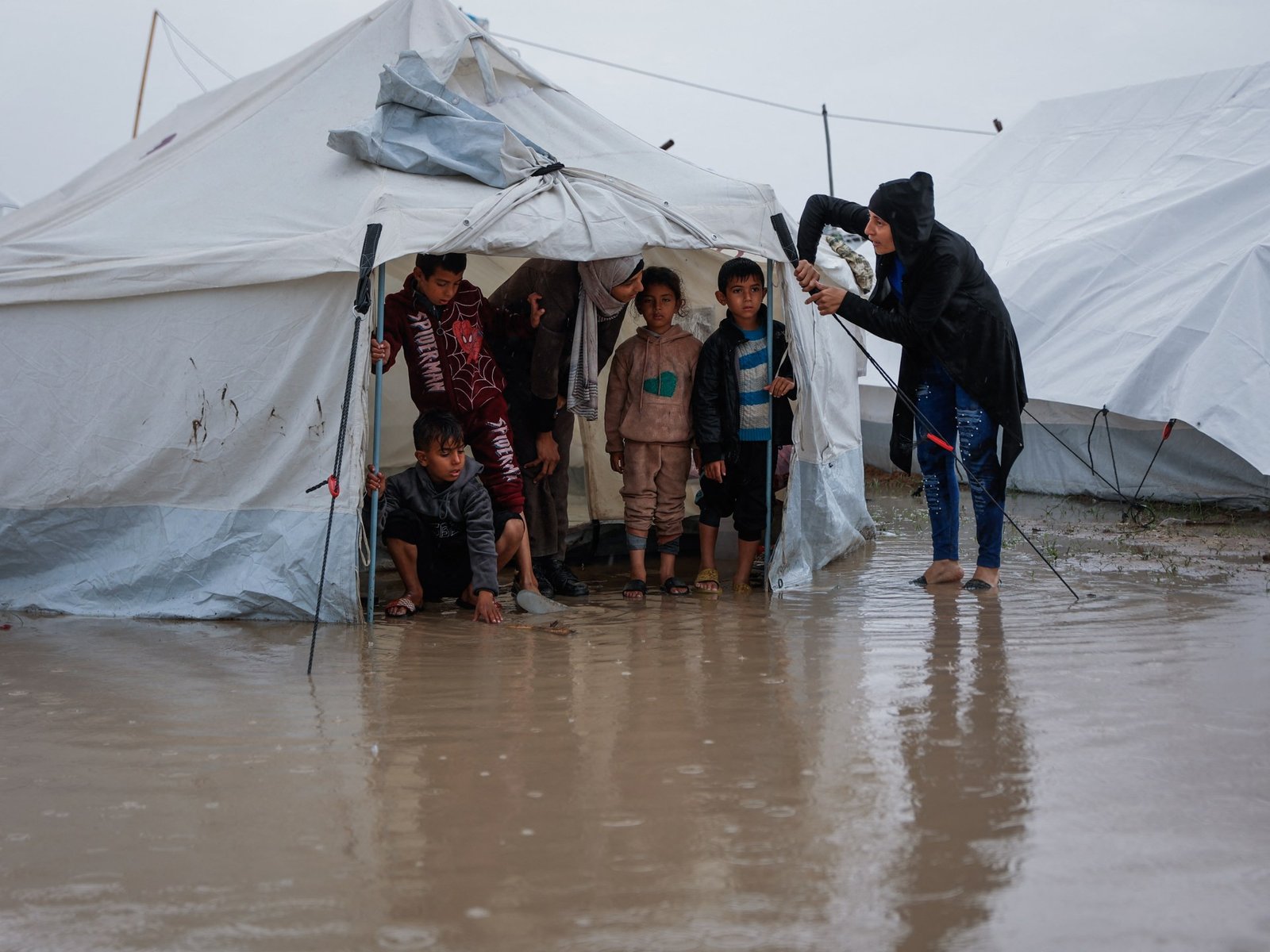
The facts are startling. In 2025, one in every five children was living in an active conflict zone where children are being killed, maimed, sexually assaulted and abducted in record numbers. About 50 million children globally are displaced from their homes. Nearly half the world’s children – about 1.12 billion – cannot afford a balanced diet, and some 272 million were out of school.
These numbers point to a global failure. Behind each statistic is a child whose childhood is being cut short, a childhood defined by fear, hunger and lost potential.
For children, the collapse of aid was not an abstract budgetary decision, but it was deeply personal. Health clinics closed, classrooms closed, and protection services disappeared just as violence, climate shocks and displacement intensified. Years of hard-won progress in child survival, education and rights were suddenly at risk of being undone, leaving millions of children more vulnerable to hunger, exploitation and violence.
The crisis also revealed the fragility of the global aid system itself. When humanitarian support is concentrated among a handful of government donors, sudden political shifts reverberate directly through children’s lives. The events of 2025 showed how quickly international commitments can unravel – and how devastating that can be for the youngest and least protected.
Yet amid this turmoil, something extraordinary happened.
In many places, families, teachers, health workers and local organisations found ways to keep learning going, to provide care, and to create spaces where children could still play, heal and feel safe. These efforts underscored a simple truth: Responses are strongest when they are rooted close to children themselves.
There were also moments of progress. In a year marked by pushback against human rights, important legal reforms advanced children’s protection – from a ban on corporal punishment in Thailand, to the criminalisation of child marriage and the passing of a digital protection law in Bolivia. These gains reminded us that change is possible even in difficult times, when children’s rights are put at the centre of public debate and policy.
Out of the shocks of 2025 has come a moment of reckoning and an opportunity: to adapt, to innovate, towards approaches that are more sustainable, more locally led and more accountable to the people they are meant to serve. For children, this shift is critical. Decisions made closer to communities are more likely to reflect children’s real needs and aspirations.
This period of reinvention has also revived difficult questions that can no longer be postponed. How can life-saving assistance be insulated from political volatility? How can funding be diversified so that children are not abandoned when a single donor withdraws? And how can children and young people meaningfully participate in decisions that shape their futures?
Innovation alone will not save children, but it can help. When digital tools, data and community-led design are used responsibly, they can improve access, accountability and trust. Used poorly, they risk deepening inequalities. The challenge is not technological — it is political and ethical.
Children do not stop wanting to learn, play or dream because bombs fall or aid dries up. In camps, cities and ruined neighbourhoods, they organise, speak out and imagine futures that adults have failed to secure for them. They remind us why our work – and our ability to adapt – matters so profoundly.
In Gaza this year, I witnessed the horrors that children are living through daily, with the war now raging for more than two years and most of the Strip covered in rubble. I saw children facing malnutrition at our healthcare clinics and heard how some now wish to die to join their parents in heaven. No child should ever be living under such terror that death is preferable. They are children, and their voices need to be heard.
If 2025 exposed the failures of the old aid model, 2026 must become a turning point. A different choice is possible — one that builds systems resilient to political shocks, grounded in local leadership and accountable to the children they claim to serve. The challenge now is to reshape our systems so that, no matter how the world changes, we can put children first, always, everywhere.
The views expressed in this article are the author’s own and do not necessarily reflect Al Jazeera’s editorial stance.
