
Close Menu

    Subscribe to Updates

    Get the latest creative news from FooBar about art, design and business.

    What's Hot

    Read the lawsuit

    Colleges Back Away From César Chávez

    CBS News begins new major round of layoffs: ‘This is really hard and really tough’ | CBS

    Facebook X (Twitter) Instagram
    Facebook X (Twitter) YouTube LinkedIn
    Naija Global News |
    Friday, March 20
    • Business
    • Health
    • Politics
    • Science
    • Sports
    • Education
    • Social Issues
    • Technology
    • More
      • Crime & Justice
      • Environment
      • Entertainment
    Naija Global News |
    You are at:Home»Health»The Guardian view on antibiotics: recent breakthroughs are great news, but humanity is losing the bigger race | Editorial
    Health

    The Guardian view on antibiotics: recent breakthroughs are great news, but humanity is losing the bigger race | Editorial

    onlyplanz_80y6mtBy onlyplanz_80y6mtDecember 29, 2025003 Mins Read
    Share Facebook Twitter Pinterest LinkedIn Tumblr Email
    The Guardian view on antibiotics: recent breakthroughs are great news, but humanity is losing the bigger race | Editorial
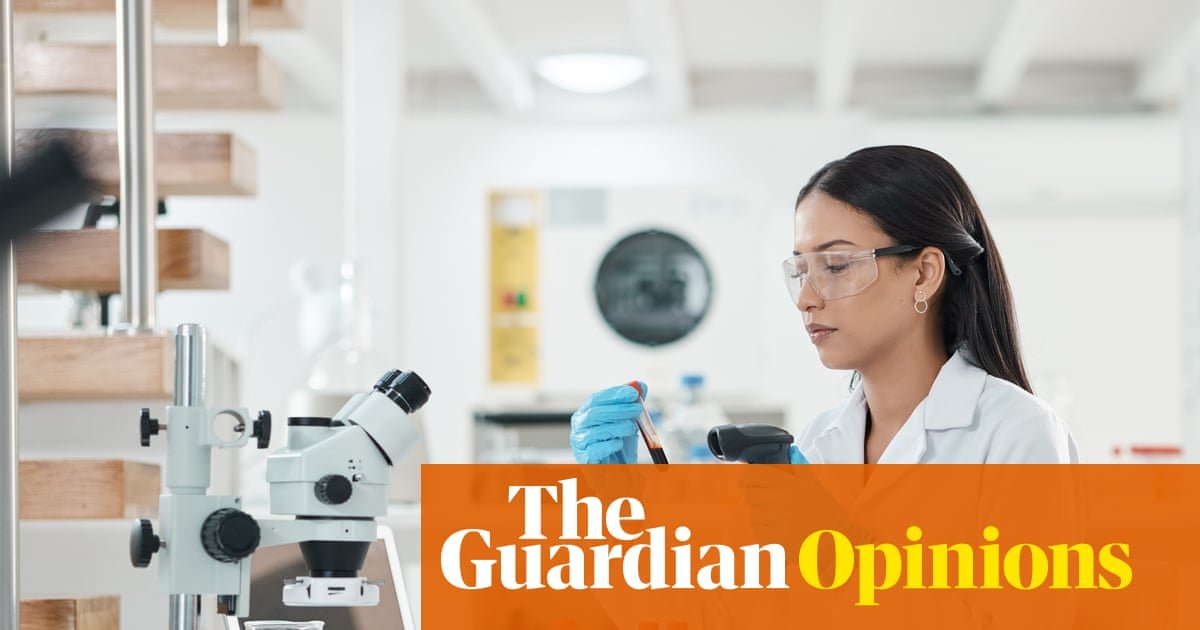
    ‘Synthetic drugs, which are mainly or fully lab-created, are constantly in development, but often run up against the iron laws of chemistry.’ Photograph: Getty
    Share
    Facebook Twitter LinkedIn Pinterest Email

    During her tenure as director general of the World Health Organization, Dr Margaret Chan used to say that all of the “easy” antibiotics had already been found. Her point was that in responding to the urgent threat of antibiotic-resistant infections, we would struggle to find new medicines – or preserve the ones we have – if we didn’t find new ways of working. She was right.

    Since 2017, just 16 antibiotics have gained widespread regulatory approval – mostly close relatives of medicines already in use and so unlikely to evade resistance for long. The development of new ones is a slow and unprofitable business, curative medicines being less lucrative than ones treating longer-term conditions. And the scientific outlook remains bleak.

    Nevertheless, the announcement this month of two new US Food and Drug Administration-approved antibiotics against gonorrhoea is good news and, crucially, validates a new way of incentivising research. One of the new drugs, Zoliflodacin, is the product of a novel kind of partnership between the Swiss non‑profit Global Antibiotic Research and Development Partnership (GARDP) and the pharmaceutical company Innoviva. GARDP provided funding and organised clinical trials to defray costs and clear regulatory hurdles. Such assistance upfront helps direct the industry towards areas of greatest global need.

    This approach and the UK government’s lauded “subscription model” – launched in 2022 to guarantee revenue to companies that invested in certain antibiotics – represent the best hope of maintaining a dripfeed of new drugs out of the current system.

    But even hurrying the production of drugs that are currently in development isn’t enough. Zoliflodacin is sometimes described as a new class of antibiotics, meaning one that targets a part of the infectious bacteria that no other drug does, theoretically forcing the pathogen to start from zero in evolving a countermeasure to it. Scientists and doctors are relieved to have a new drug for gonorrhoea – which has resistant strains against every known antibiotic – but caution that future resistance to Zoliflodacin is inevitable.

    As has become the norm with new antibiotics, there is therefore an argument about whether it should be held in reserve, rationed to highly resistant infections only – limiting its use to where high‑end lab testing is available. This sort of rational approach should be the worldwide norm, but often can’t be deployed easily in the global south.

    More broadly, it is hard to see where the stream of other new antibiotics we need could possibly come from. Dr Chan’s comment nodded to the fact that surveying the living world for natural sources – as with penicillin – has had diminishing returns. Use of artificial intelligence has been mooted to speed up the discovery process, although a much-celebrated early candidate called halicin, identified in 2020, hasn’t yet progressed past animal trials. Synthetic drugs, which are mainly or fully lab-created, are constantly in development, but often run up against the iron laws of chemistry – just because we imagine a molecule doesn’t mean we can synthesise it easily.

    The prevailing scientific evaluation is that when it comes to antibiotics, we must run very fast indeed just to stay in the same place. Careful internationally coordinated use is the only way to preserve our advantage. Sadly, the scale of future breakthroughs is going to seem miserly compared with the curative bonanza of the 20th century.

    • Do you have an opinion on the issues raised in this article? If you would like to submit a response of up to 300 words by email to be considered for publication in our letters section, please click here.

    Antibiotics Bigger Breakthroughs Editorial great Guardian humanity losing news Race view
    Share. Facebook Twitter Pinterest LinkedIn Tumblr Email
    Previous ArticleProPublica’s Reporters Have Gotten Pushback for Asking for Comment — ProPublica
    Next Article 15 Million Years before the Megalodon, This Giant Ancient Shark Prowled the Oceans
    onlyplanz_80y6mt
    • Website

    Related Posts

    CBS News begins new major round of layoffs: ‘This is really hard and really tough’ | CBS

    March 20, 2026

    ‘It all feels very natural’: Britain’s sauna boom heats up as people seek warmth of human connection | Health

    March 20, 2026

    ‘It’s not sustainable’: US farmers reeling as Iran war pushes fertilizer costs up | US news

    March 20, 2026
    Add A Comment
    Leave A Reply Cancel Reply

    Top Posts

    Watch Lady Gaga’s Perform ‘Vanish Into You’ on ‘Colbert’

    September 9, 20251 Views

    Advertisers flock to Fox seeking an ‘audience of one’ — Donald Trump

    July 13, 20251 Views

    A Setback for Maine’s Free Community College Program

    June 19, 20251 Views
    Stay In Touch
    • Facebook
    • YouTube
    • TikTok
    • WhatsApp
    • Twitter
    • Instagram
    Latest Reviews

    At Chile’s Vera Rubin Observatory, Earth’s Largest Camera Surveys the Sky

    By onlyplanz_80y6mtJune 19, 2025

    SpaceX Starship Explodes Before Test Fire

    By onlyplanz_80y6mtJune 19, 2025

    How the L.A. Port got hit by Trump’s Tariffs

    By onlyplanz_80y6mtJune 19, 2025

    Subscribe to Updates

    Get the latest tech news from FooBar about tech, design and biz.

    Most Popular

    Watch Lady Gaga’s Perform ‘Vanish Into You’ on ‘Colbert’

    September 9, 20251 Views

    Advertisers flock to Fox seeking an ‘audience of one’ — Donald Trump

    July 13, 20251 Views

    A Setback for Maine’s Free Community College Program

    June 19, 20251 Views
    Our Picks

    Read the lawsuit

    Colleges Back Away From César Chávez

    CBS News begins new major round of layoffs: ‘This is really hard and really tough’ | CBS

    Recent Posts
    • Read the lawsuit
    • Colleges Back Away From César Chávez
    • CBS News begins new major round of layoffs: ‘This is really hard and really tough’ | CBS
    • The Kent meningitis outbreak: what is happening and why? | Meningitis
    • How accurate is the science in Project Hail Mary?
    © 2026 naijaglobalnews. Designed by Pro.
    • About Us
    • Disclaimer
    • Get In Touch
    • Privacy Policy
    • Terms and Conditions

    Type above and press Enter to search. Press Esc to cancel.