
Close Menu

    Subscribe to Updates

    Get the latest creative news from FooBar about art, design and business.

    What's Hot

    The Guardian view on nicotine: we shouldn’t buy the idea of addiction without harm | Editorial

    Prediction markets surge in US as public health advocates call for support to combat gambling | US news

    UK climate activists fear case delays could cost them right to jury trial | Trial by jury

    Facebook X (Twitter) Instagram
    Facebook X (Twitter) YouTube LinkedIn
    Naija Global News |
    Sunday, June 21
    • Business
    • Health
    • Politics
    • Science
    • Sports
    • Education
    • Social Issues
    • Technology
    • More
      • Crime & Justice
      • Environment
      • Entertainment
    Naija Global News |
    You are at:Home»Health»There’s no easy way to stop postpartum bleeding – but maternal choice is key | Childbirth
    Health

    There’s no easy way to stop postpartum bleeding – but maternal choice is key | Childbirth

    onlyplanz_80y6mtBy onlyplanz_80y6mtDecember 19, 2025003 Mins Read
    Share Facebook Twitter Pinterest LinkedIn Tumblr Email
    There’s no easy way to stop postpartum bleeding – but maternal choice is key | Childbirth
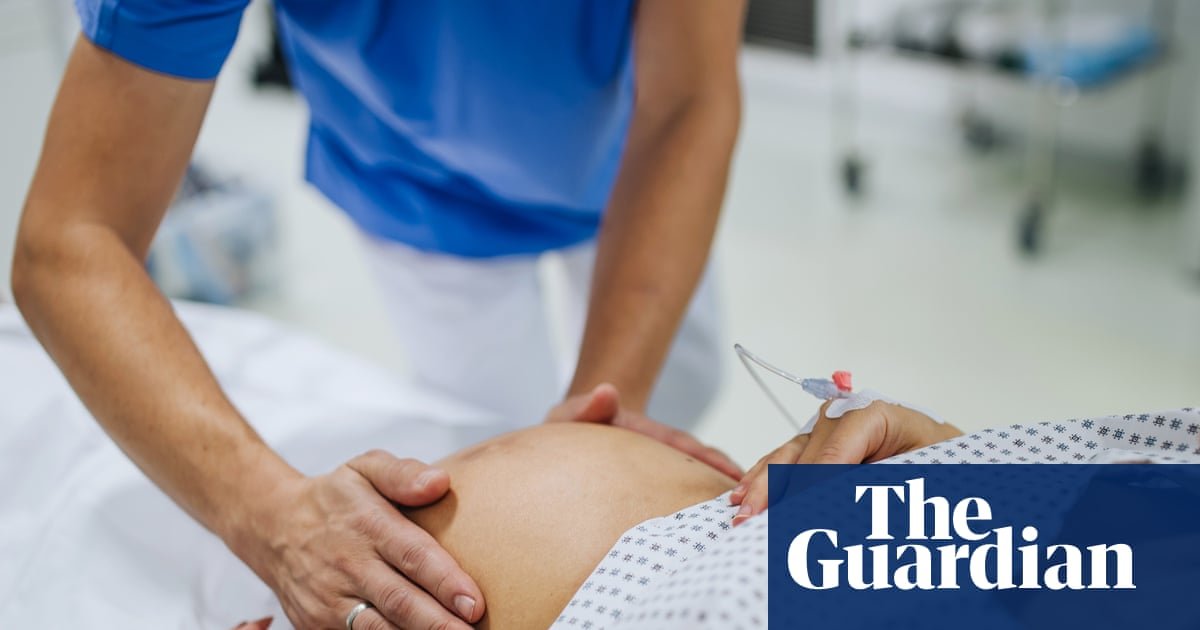
    ‘A large cultural change is rightly under way in the NHS, with a move away from paternalistic care and towards increased choice for women.’ Photograph: Halfpoint Images/Getty
    Share
    Facebook Twitter LinkedIn Pinterest Email

    Your report (Risk to women of severe bleeding after giving birth at five-year high in England, 13 December) rightly points out that the risk to women of severe bleeding after giving birth is at a five-year high. The article suggests that this is due to the declining quality and safety of NHS maternity care. But this is not true. The problem of increasing haemorrhage after birth is not simple, and neither women nor the quality of maternity care should be blamed.

    In a recent World Health Organization analysis, the largest influence on the rate of haemorrhage was caesarean birth, and the only two factors that reduced the haemorrhage risk were home birth and early skin-to-skin contact/breastfeeding. Increased rates of haemorrhage are a natural consequence of high caesarean section rates. Sensationalist quotes of the “terrifying” risk to mothers of haemorrhage will only make the problem worse, as women seek to avoid labour in the NHS, either by choosing a caesarean (which increases the risk of haemorrhage) or by opting out of maternity care altogether (which increases the risk of death if haemorrhage occurs).

    Increased intervention in childbirth has largely been to protect the baby. And yet, for the baby, childbirth in the UK is safer than it has ever been, with record low rates of stillbirth and neonatal death.

    A large cultural change is rightly under way in the NHS, with a move away from paternalistic care and towards increased choice for women. We are hearing calls for increased caesarean rates and reductions in midwifery-led care, but sadly these will only increase haemorrhage rates. There is no simple way of giving birth – what is needed is expert compassionate care for all, along with high-quality education and maternal choice. But this will not be cheap. Conveyor-belt care is very cost effective – and a shift to true personalised care will take a large increase in resources. It is time for the government to step in to provide this.
    Prof Andrew Weeks
    Chair, Royal College of Obstetricians and Gynaecologists postpartum haemorrhage treatment guidelines committee; professor of international maternal health, University of Liverpool

    Your article on postpartum haemorrhage overlooks the crucial link between mode of birth and haemorrhage risk. The lowest risk occurs when labour begins spontaneously and birth happens without significant intervention. Caesarean sections and induction of labour both significantly increase haemorrhage risk. Rates of intervention are rising sharply, with little improvement in neonatal outcomes, and worsening outcomes for women. The UK caesarean rate in England now stands at 45%, with inductions at 32%, and many women experiencing both in a single birth.

    Attributing these trends primarily to women being older or heavier explains only a small proportion of the increase, and there is scant evidence that the higher intervention rates improve outcomes for these groups.

    The continued denigration of midwifery care that supports physiological birth is contributing to poorer outcomes. Continuity of carer with a named midwife is well evidenced to improve maternal and neonatal outcomes, yet this model remains undersupported. Physiological birth, recently dismissed as an “ideology” in some quarters, is promoted by midwives partly because evidence shows it reduces the risk of postpartum haemorrhage. Research consistently demonstrates that planned, supported, midwife-led births have lower haemorrhage rates than hospital births.

    Maternal wellbeing, including reducing haemorrhage and birth trauma, must be central to any changes arising from the national maternity and neonatal investigation.
    Anna Melamed
    Sonia Richardson
    Midwives and midwifery lecturers, University of the West of England

    Have an opinion on anything you’ve read in the Guardian today? Please email us your letter and it will be considered for publication in our letters section.

    bleeding childbirth choice easy Key maternal Postpartum stop
    Share. Facebook Twitter Pinterest LinkedIn Tumblr Email
    Previous ArticleSeahawks overturn 16-point deficit to stun Rams in overtime and clinch playoff berth | NFL
    Next Article ‘Uniquely evil’: Michigan residents fight against huge data center backed by top tycoons | Michigan
    onlyplanz_80y6mt
    • Website

    Related Posts

    The Guardian view on nicotine: we shouldn’t buy the idea of addiction without harm | Editorial

    June 21, 2026

    ‘A genuine wildlife emergency’: everything you need to know about the arrival of H5 bird flu in Australia | Environment

    June 21, 2026

    ICO watchdog opens inquiry into cameras in mental health patients’ bedrooms | Mental health

    June 21, 2026
    Add A Comment
    Leave A Reply Cancel Reply

    Top Posts

    The science influencers going viral on TikTok to fight misinformation

    February 17, 20262 Views

    Watch Lady Gaga’s Perform ‘Vanish Into You’ on ‘Colbert’

    September 9, 20251 Views

    Advertisers flock to Fox seeking an ‘audience of one’ — Donald Trump

    July 13, 20251 Views
    Stay In Touch
    • Facebook
    • YouTube
    • TikTok
    • WhatsApp
    • Twitter
    • Instagram
    Latest Reviews

    At Chile’s Vera Rubin Observatory, Earth’s Largest Camera Surveys the Sky

    By onlyplanz_80y6mtJune 19, 2025

    SpaceX Starship Explodes Before Test Fire

    By onlyplanz_80y6mtJune 19, 2025

    How the L.A. Port got hit by Trump’s Tariffs

    By onlyplanz_80y6mtJune 19, 2025

    Subscribe to Updates

    Get the latest tech news from FooBar about tech, design and biz.

    Most Popular

    The science influencers going viral on TikTok to fight misinformation

    February 17, 20262 Views

    Watch Lady Gaga’s Perform ‘Vanish Into You’ on ‘Colbert’

    September 9, 20251 Views

    Advertisers flock to Fox seeking an ‘audience of one’ — Donald Trump

    July 13, 20251 Views
    Our Picks

    The Guardian view on nicotine: we shouldn’t buy the idea of addiction without harm | Editorial

    Prediction markets surge in US as public health advocates call for support to combat gambling | US news

    UK climate activists fear case delays could cost them right to jury trial | Trial by jury

    Recent Posts
    • The Guardian view on nicotine: we shouldn’t buy the idea of addiction without harm | Editorial
    • Prediction markets surge in US as public health advocates call for support to combat gambling | US news
    • UK climate activists fear case delays could cost them right to jury trial | Trial by jury
    • Condemned to plutocracy? The relentless rise of US inequality | US income inequality
    • ‘A genuine wildlife emergency’: everything you need to know about the arrival of H5 bird flu in Australia | Environment
    © 2026 naijaglobalnews. Designed by Pro.
    • About Us
    • Disclaimer
    • Get In Touch
    • Privacy Policy
    • Terms and Conditions

    Type above and press Enter to search. Press Esc to cancel.