
Close Menu

    Subscribe to Updates

    Get the latest creative news from FooBar about art, design and business.

    What's Hot

    Africa particularly vulnerable as Iran conflict disrupts supply chains, say experts | Africa

    Writing Faculty Push for the Right to Refuse AI

    Bank of America settles Epstein survivors’ lawsuit | Jeffrey Epstein

    Facebook X (Twitter) Instagram
    Facebook X (Twitter) YouTube LinkedIn
    Naija Global News |
    Tuesday, March 17
    • Business
    • Health
    • Politics
    • Science
    • Sports
    • Education
    • Social Issues
    • Technology
    • More
      • Crime & Justice
      • Environment
      • Entertainment
    Naija Global News |
    You are at:Home»Science»New Cell Transplant Therapy Restores Insulin Production in Patient with Type 1 Diabetes
    Science

    New Cell Transplant Therapy Restores Insulin Production in Patient with Type 1 Diabetes

    onlyplanz_80y6mtBy onlyplanz_80y6mtDecember 12, 2025004 Mins Read
    Share Facebook Twitter Pinterest LinkedIn Tumblr Email
    New Cell Transplant Therapy Restores Insulin Production in Patient with Type 1 Diabetes
    Share
    Facebook Twitter LinkedIn Pinterest Email

    December 12, 2025

    Add Us On GoogleAdd SciAm

    Cell Transplant Therapy Offers New Hope for Type 1 Diabetes

    Scientists have successfully transplanted gene-edited insulin-producing cells into a man with type 1 diabetes—allowing him to make some of his own insulin without immunosuppressants.

    By Carin Leong edited by Kelso Harper

    This video is part of “Innovations In: Type 1 Diabetes,” an editorially independent special report that was produced with financial support from Vertex.

    Carin Leong: What if people with type 1 diabetes could start making their own insulin?

    On supporting science journalism

    If you’re enjoying this article, consider supporting our award-winning journalism by subscribing. By purchasing a subscription you are helping to ensure the future of impactful stories about the discoveries and ideas shaping our world today.

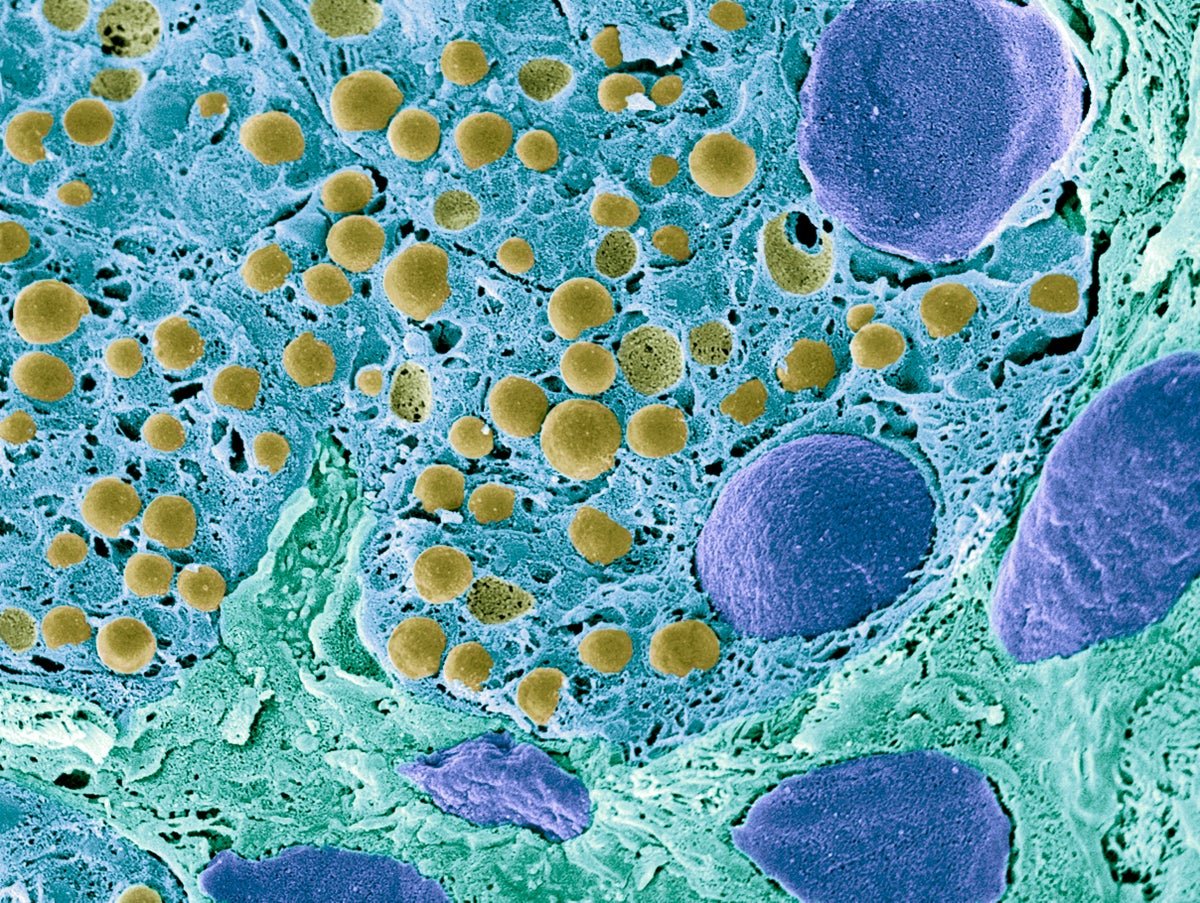
    Scientists have just taken a big step in that direction. They treated a patient with 80 million lab-made insulin-producing cells that are designed to hide from the immune system. This is the first time a cell transplant like this hasn’t triggered a rejection in a human, and researchers say that this opens exciting possibilities for treating diabetes and other autoimmune diseases in the future.

    About two million people in the U.S. currently live with type 1 diabetes. It’s an autoimmune disease where the body mistakenly wipes out the cells in the pancreas that make insulin. Without this hormone, people have to rely on injections and pumps every single day to keep their blood sugar in check and avoid serious complications.

    Scientists have tried replacing these insulin-producing cells before, but the body kept attacking them. And patients would need to take strong immune-suppressing drugs for life, which come with their own laundry list of side effects.

    This time, researchers took donor cells and used the gene-editing technique CRISPR to deactivate two genes that normally flag the immune system to attack foreign cells while also boosting expression of a gene that discourages attacks by the body’s immune cells.

    So 12 weeks after injecting these cells into the patient, they were still alive and making insulin in his body. Granted, it wasn’t a ton—about 7 percent of what he’d need to ditch insulin injections entirely. But experts say it’s a major milestone for his body to be producing even a little bit of insulin on its own and, most importantly, without the need for immunosuppressants. They’ll continue monitoring him over the next year and test higher doses of these edited cells. And if all goes well, this could potentially lead us toward a cure for type 1 diabetes.

    It’s Time to Stand Up for Science

    If you enjoyed this article, I’d like to ask for your support. Scientific American has served as an advocate for science and industry for 180 years, and right now may be the most critical moment in that two-century history.

    I’ve been a Scientific American subscriber since I was 12 years old, and it helped shape the way I look at the world. SciAm always educates and delights me, and inspires a sense of awe for our vast, beautiful universe. I hope it does that for you, too.

    If you subscribe to Scientific American, you help ensure that our coverage is centered on meaningful research and discovery; that we have the resources to report on the decisions that threaten labs across the U.S.; and that we support both budding and working scientists at a time when the value of science itself too often goes unrecognized.

    In return, you get essential news, captivating podcasts, brilliant infographics, can’t-miss newsletters, must-watch videos, challenging games, and the science world’s best writing and reporting. You can even gift someone a subscription.

    There has never been a more important time for us to stand up and show why science matters. I hope you’ll support us in that mission.

    cell diabetes Insulin patient production restores Therapy Transplant Type
    Share. Facebook Twitter Pinterest LinkedIn Tumblr Email
    Previous ArticleDodgers, Blue Jays could rule winter after epic World Series
    Next Article College basketball picks: Kentucky vs. Indiana tops loaded Saturday schedule
    onlyplanz_80y6mt
    • Website

    Related Posts

    What’s behind the injectable peptide craze? – podcast | Science

    March 17, 2026

    Brain implant allows people who are paralyzed to type using their thoughts at speed of texting

    March 17, 2026

    A single course of antibiotics can cause lingering changes in gut microbes

    March 17, 2026
    Add A Comment
    Leave A Reply Cancel Reply

    Top Posts

    Watch Lady Gaga’s Perform ‘Vanish Into You’ on ‘Colbert’

    September 9, 20251 Views

    Advertisers flock to Fox seeking an ‘audience of one’ — Donald Trump

    July 13, 20251 Views

    A Setback for Maine’s Free Community College Program

    June 19, 20251 Views
    Stay In Touch
    • Facebook
    • YouTube
    • TikTok
    • WhatsApp
    • Twitter
    • Instagram
    Latest Reviews

    At Chile’s Vera Rubin Observatory, Earth’s Largest Camera Surveys the Sky

    By onlyplanz_80y6mtJune 19, 2025

    SpaceX Starship Explodes Before Test Fire

    By onlyplanz_80y6mtJune 19, 2025

    How the L.A. Port got hit by Trump’s Tariffs

    By onlyplanz_80y6mtJune 19, 2025

    Subscribe to Updates

    Get the latest tech news from FooBar about tech, design and biz.

    Most Popular

    Watch Lady Gaga’s Perform ‘Vanish Into You’ on ‘Colbert’

    September 9, 20251 Views

    Advertisers flock to Fox seeking an ‘audience of one’ — Donald Trump

    July 13, 20251 Views

    A Setback for Maine’s Free Community College Program

    June 19, 20251 Views
    Our Picks

    Africa particularly vulnerable as Iran conflict disrupts supply chains, say experts | Africa

    Writing Faculty Push for the Right to Refuse AI

    Bank of America settles Epstein survivors’ lawsuit | Jeffrey Epstein

    Recent Posts
    • Africa particularly vulnerable as Iran conflict disrupts supply chains, say experts | Africa
    • Writing Faculty Push for the Right to Refuse AI
    • Bank of America settles Epstein survivors’ lawsuit | Jeffrey Epstein
    • What’s behind the injectable peptide craze? – podcast | Science
    • Cannabis is not an effective treatment for common mental health conditions, says review | Cannabis
    © 2026 naijaglobalnews. Designed by Pro.
    • About Us
    • Disclaimer
    • Get In Touch
    • Privacy Policy
    • Terms and Conditions

    Type above and press Enter to search. Press Esc to cancel.