
Close Menu

    Subscribe to Updates

    Get the latest creative news from FooBar about art, design and business.

    What's Hot

    My husband’s weight loss is triggering my eating disorders. What can I do? | Family

    The G.O.P. Rush To Break Up Majority-Black Districts

    The emerging cancer treatment that’s exciting scientists: ‘We’ve just scratched the surface on what’s possible’ | Cancer

    Facebook X (Twitter) Instagram
    Facebook X (Twitter) YouTube LinkedIn
    Naija Global News |
    Sunday, May 10
    • Business
    • Health
    • Politics
    • Science
    • Sports
    • Education
    • Social Issues
    • Technology
    • More
      • Crime & Justice
      • Environment
      • Entertainment
    Naija Global News |
    You are at:Home»Science»virologist whose enzyme discovery transformed understanding of cancer and HIV/AIDS
    Science

    virologist whose enzyme discovery transformed understanding of cancer and HIV/AIDS

    onlyplanz_80y6mtBy onlyplanz_80y6mtDecember 1, 2025003 Mins Read
    Share Facebook Twitter Pinterest LinkedIn Tumblr Email
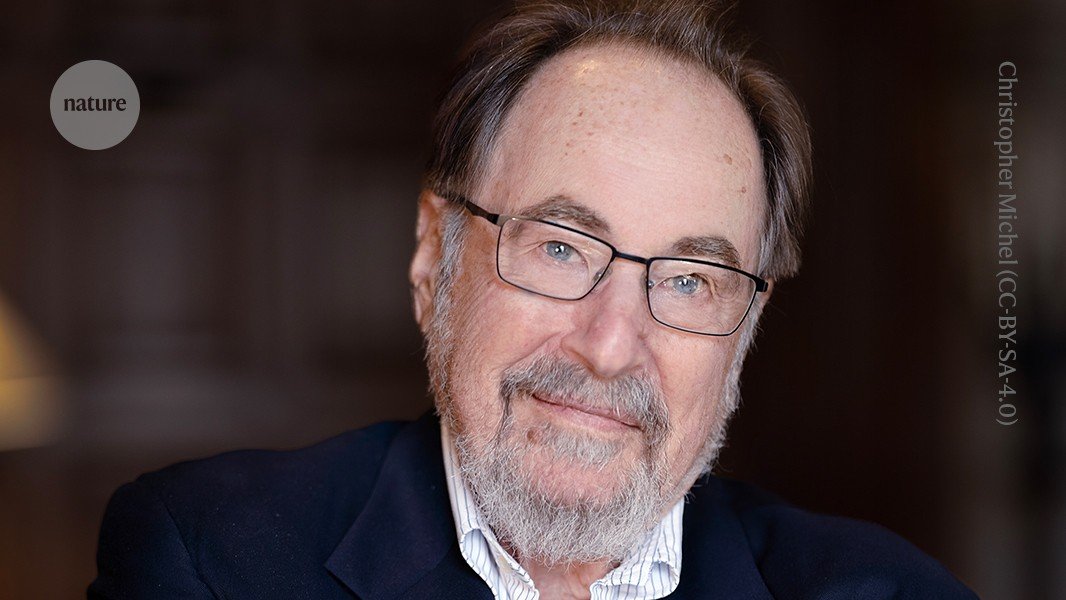
    virologist whose enzyme discovery transformed understanding of cancer and HIV/AIDS

    Credit: Christopher Michel (CC-BY-SA-4.0)

    Share
    Facebook Twitter LinkedIn Pinterest Email

    Credit: Christopher Michel (CC-BY-SA-4.0)

    The world has lost a giant of virology, molecular biology and science advocacy with the death of David Baltimore, at age 87. Baltimore demonstrated that RNA viruses that cause cancer contain an enzyme capable of directing the synthesis of DNA from an RNA template. We now know this enzyme as reverse transcriptase and the viruses as retroviruses, reflecting the backward flow of genetic information in this type of virus.

    This is how the world finally ends the HIV/AIDS pandemic

    The discovery of reverse transcriptase in 1970 explained a mystery in the capabilities of these viruses. It clarified how an RNA virus could generate a genomic copy of itself that could persist in the infected cell and be inherited by daughter cells. It also revealed how, much later, cells could produce further copies of the viral RNA. The idea that this mechanism could involve the formation of a DNA copy of the RNA genome was proposed by Howard Temin, who shared the 1975 medicine Nobel with Baltimore and Renato Dulbecco. But accepting this theory required unusual willingness on Baltimore’s part to challenge the central dogma of molecular biology — specifically, the principle that information flows in all living systems from DNA to RNA to protein.

    Reverse transcriptase has become an essential tool in modern molecular biology, because the ability to make DNA copies of any RNA molecule, coupled with the extraordinary power of recombinant DNA methods, enables the characterization of the RNA molecules that define cell types and their functions.

    Baltimore was born and grew up in New York City. He graduated with a chemistry degree at Swarthmore College, Pennsylvania, in 1960. He then joined the graduate biology programme at the Massachusetts Institute of Technology (MIT) in Cambridge, before moving to The Rockefeller University in New York City, where he completed a PhD in animal virology. After a postdoc at the Salk Institute for Biological Studies in San Diego, California, he returned to MIT in 1968 to establish his own group, where he made his first seminal discovery. His laboratory went on to show how reverse transcriptase orchestrates, through an extraordinarily complex series of steps, the formation of a double-stranded DNA copy of the single-stranded retroviral RNA genome.

    It’s time to admit that genes are not the blueprint for life

    Baltimore uncovered aspects of the replication of many other viruses, including poliovirus and vesicular stomatitis virus. He discovered and characterized several cancer-causing genes, including the one encoding the v-abl tyrosine kinase in Abelson murine leukemia virus. The mammalian homologue, c-ABL, later proved to be the driver of chronic myeloid leukaemia in humans, a cancer now treated successfully with the kinase inhibitor Gleevec (imatinib) and its successors.

    cancer Discovery enzyme HIVAIDS transformed understanding virologist
    Share. Facebook Twitter Pinterest LinkedIn Tumblr Email
    Previous ArticleExpect a tale of two holiday seasons as the well-off spend and the rest pull back | Gene Marks
    Next Article The Undying Myth Behind ‘Hamnet’
    onlyplanz_80y6mt
    • Website

    Related Posts

    The emerging cancer treatment that’s exciting scientists: ‘We’ve just scratched the surface on what’s possible’ | Cancer

    May 10, 2026

    Ann Barrett obituary | Cancer

    May 5, 2026

    Why routine cancer tests have age limits | Cancer

    May 2, 2026
    Add A Comment
    Leave A Reply Cancel Reply

    Top Posts

    Watch Lady Gaga’s Perform ‘Vanish Into You’ on ‘Colbert’

    September 9, 20251 Views

    Advertisers flock to Fox seeking an ‘audience of one’ — Donald Trump

    July 13, 20251 Views

    A Setback for Maine’s Free Community College Program

    June 19, 20251 Views
    Stay In Touch
    • Facebook
    • YouTube
    • TikTok
    • WhatsApp
    • Twitter
    • Instagram
    Latest Reviews

    At Chile’s Vera Rubin Observatory, Earth’s Largest Camera Surveys the Sky

    By onlyplanz_80y6mtJune 19, 2025

    SpaceX Starship Explodes Before Test Fire

    By onlyplanz_80y6mtJune 19, 2025

    How the L.A. Port got hit by Trump’s Tariffs

    By onlyplanz_80y6mtJune 19, 2025

    Subscribe to Updates

    Get the latest tech news from FooBar about tech, design and biz.

    Most Popular

    Watch Lady Gaga’s Perform ‘Vanish Into You’ on ‘Colbert’

    September 9, 20251 Views

    Advertisers flock to Fox seeking an ‘audience of one’ — Donald Trump

    July 13, 20251 Views

    A Setback for Maine’s Free Community College Program

    June 19, 20251 Views
    Our Picks

    My husband’s weight loss is triggering my eating disorders. What can I do? | Family

    The G.O.P. Rush To Break Up Majority-Black Districts

    The emerging cancer treatment that’s exciting scientists: ‘We’ve just scratched the surface on what’s possible’ | Cancer

    Recent Posts
    • My husband’s weight loss is triggering my eating disorders. What can I do? | Family
    • The G.O.P. Rush To Break Up Majority-Black Districts
    • The emerging cancer treatment that’s exciting scientists: ‘We’ve just scratched the surface on what’s possible’ | Cancer
    • Fertiliser shortages to have dramatic effect on food prices, says Duke of Westminster’s firm | Supply chain crisis
    • ‘Empty and vapid’ CDC finally responds to hantavirus outbreak. But experts say it’s too little, too late | Hantavirus
    © 2026 naijaglobalnews. Designed by Pro.
    • About Us
    • Disclaimer
    • Get In Touch
    • Privacy Policy
    • Terms and Conditions

    Type above and press Enter to search. Press Esc to cancel.