
Close Menu

    Subscribe to Updates

    Get the latest creative news from FooBar about art, design and business.

    What's Hot

    As AI keeps improving, mathematicians struggle to foretell their own future

    Can AI models reliably forecast extreme weather events?

    Replacing 1m petrol cars with EVs could cut Australia’s reliance on foreign fuel by 1bn litres a year | Electric vehicles

    Facebook X (Twitter) Instagram
    Facebook X (Twitter) YouTube LinkedIn
    Naija Global News |
    Monday, March 16
    • Business
    • Health
    • Politics
    • Science
    • Sports
    • Education
    • Social Issues
    • Technology
    • More
      • Crime & Justice
      • Environment
      • Entertainment
    Naija Global News |
    You are at:Home»Environment»The Leonid Meteor Shower Is Peaking—Here’s How to Watch This Fireball-Filled Event
    Environment

    The Leonid Meteor Shower Is Peaking—Here’s How to Watch This Fireball-Filled Event

    onlyplanz_80y6mtBy onlyplanz_80y6mtNovember 17, 2025004 Mins Read
    Share Facebook Twitter Pinterest LinkedIn Tumblr Email
    The Leonid Meteor Shower Is Peaking—Here’s How to Watch This Fireball-Filled Event

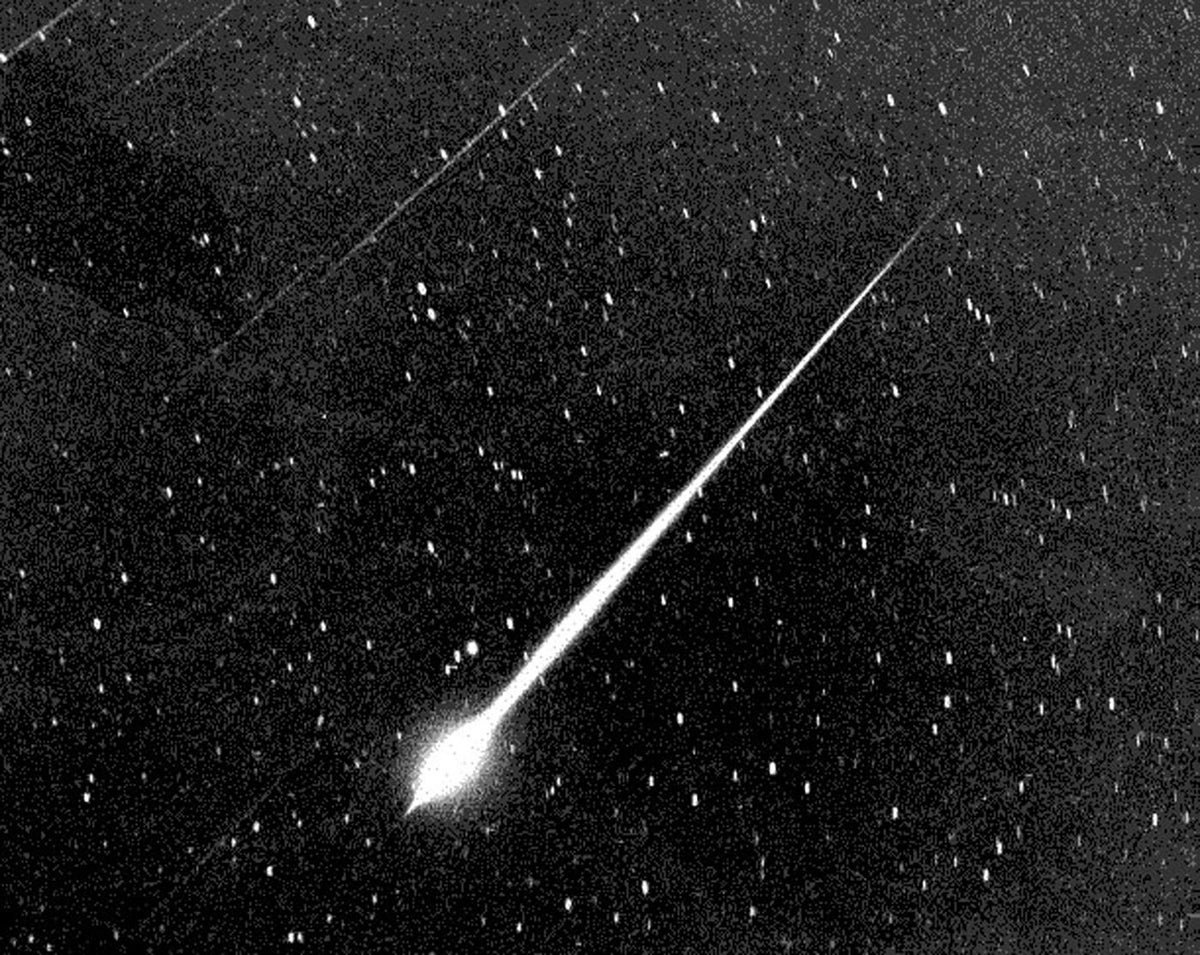
    The Leonid meteor shower above Wrightwood, Calif., in 1966.

    NASA/Getty Images

    Share
    Facebook Twitter LinkedIn Pinterest Email

    November 17, 2025

    2 min read

    The Leonid Meteor Shower Is Peaking—Here’s How to Watch This Fireball-Filled Event

    A thin crescent moon and dark skies could give watchers a clear view of this astronomical event

    By Humberto Basilio edited by Claire Cameron

    The Leonid meteor shower above Wrightwood, Calif., in 1966.

    The Leonid meteor shower is peaking this week, potentially bringing hundreds of long-tailed meteors with it. This annual fall display is an excellent opportunity to spot fireballs in the night sky.

    Meteor showers are the beautiful result of Earth moving through the trail of debris streaming from comets and asteroids as they make their own way around the sun. As these chunks of space rock enter our atmosphere, they burn up as shooting stars. And if they land, they become meteorites.

    The Leonids are an annual shower that occurs in early November and lasts through early December, when Earth passes through the stream of debris of Comet 55P/Tempel-Tuttle.

    On supporting science journalism

    If you’re enjoying this article, consider supporting our award-winning journalism by subscribing. By purchasing a subscription you are helping to ensure the future of impactful stories about the discoveries and ideas shaping our world today.

    Perhaps the most famous Leonid display in modern memory took place on November 17, 1966, when meteors seemed to fall like rain and some witnesses said it felt as if Earth was plunging through space.

    These storms tend to follow a 33- to 34-year rhythm tied to the comet’s orbit. Most years are quieter, however, which is the most likely outcome this week. The last major event occurred in 2002.

    How to Watch the Leonids

    The Leonids will reach their peak at 1 P.M. EST on November 17. Hundreds of long-tailed meteors will cross the sky at 44 miles per second, giving sky watchers a good chance to catch the display closer to dawn on November 18.

    When many meteors appear to streak from the same point in the night sky, that point is known as the radiant. This year the shower’s radiant rises around midnight and climbs highest just before dawn, making the predawn hours the best time to watch.

    Favorably for sky-gazers, the next new moon will arrive on November 20, which means there is only a thin waning crescent in the sky during the Leonids’ peak this week. Under dark sky conditions, observers might see as many as 10 to 15 Leonids per hour. Experts recommend using binoculars or telescopes and lying flat on your back with your feet toward the east. After about 30 minutes in the dark, your eyes will adjust, and you will begin to see meteors.

    It’s Time to Stand Up for Science

    If you enjoyed this article, I’d like to ask for your support. Scientific American has served as an advocate for science and industry for 180 years, and right now may be the most critical moment in that two-century history.

    I’ve been a Scientific American subscriber since I was 12 years old, and it helped shape the way I look at the world. SciAm always educates and delights me, and inspires a sense of awe for our vast, beautiful universe. I hope it does that for you, too.

    If you subscribe to Scientific American, you help ensure that our coverage is centered on meaningful research and discovery; that we have the resources to report on the decisions that threaten labs across the U.S.; and that we support both budding and working scientists at a time when the value of science itself too often goes unrecognized.

    In return, you get essential news, captivating podcasts, brilliant infographics, can’t-miss newsletters, must-watch videos, challenging games, and the science world’s best writing and reporting. You can even gift someone a subscription.

    There has never been a more important time for us to stand up and show why science matters. I hope you’ll support us in that mission.

    Event FireballFilled Leonid Meteor PeakingHeres shower watch
    Share. Facebook Twitter Pinterest LinkedIn Tumblr Email
    Previous Article‘The Running Man’ Stumbles; Focus Features Chief Peter Kujawski
    Next Article Palestine Action trial begins in London – what we know | Courts News
    onlyplanz_80y6mt
    • Website

    Related Posts

    As AI keeps improving, mathematicians struggle to foretell their own future

    March 16, 2026

    Replacing 1m petrol cars with EVs could cut Australia’s reliance on foreign fuel by 1bn litres a year | Electric vehicles

    March 16, 2026

    A 100-year-old theory might explain what’s wrong with quantum mechanics

    March 16, 2026
    Add A Comment
    Leave A Reply Cancel Reply

    Top Posts

    Watch Lady Gaga’s Perform ‘Vanish Into You’ on ‘Colbert’

    September 9, 20251 Views

    Advertisers flock to Fox seeking an ‘audience of one’ — Donald Trump

    July 13, 20251 Views

    A Setback for Maine’s Free Community College Program

    June 19, 20251 Views
    Stay In Touch
    • Facebook
    • YouTube
    • TikTok
    • WhatsApp
    • Twitter
    • Instagram
    Latest Reviews

    At Chile’s Vera Rubin Observatory, Earth’s Largest Camera Surveys the Sky

    By onlyplanz_80y6mtJune 19, 2025

    SpaceX Starship Explodes Before Test Fire

    By onlyplanz_80y6mtJune 19, 2025

    How the L.A. Port got hit by Trump’s Tariffs

    By onlyplanz_80y6mtJune 19, 2025

    Subscribe to Updates

    Get the latest tech news from FooBar about tech, design and biz.

    Most Popular

    Watch Lady Gaga’s Perform ‘Vanish Into You’ on ‘Colbert’

    September 9, 20251 Views

    Advertisers flock to Fox seeking an ‘audience of one’ — Donald Trump

    July 13, 20251 Views

    A Setback for Maine’s Free Community College Program

    June 19, 20251 Views
    Our Picks

    As AI keeps improving, mathematicians struggle to foretell their own future

    Can AI models reliably forecast extreme weather events?

    Replacing 1m petrol cars with EVs could cut Australia’s reliance on foreign fuel by 1bn litres a year | Electric vehicles

    Recent Posts
    • As AI keeps improving, mathematicians struggle to foretell their own future
    • Can AI models reliably forecast extreme weather events?
    • Replacing 1m petrol cars with EVs could cut Australia’s reliance on foreign fuel by 1bn litres a year | Electric vehicles
    • Students Build Belonging Through Service
    • Oil prices rise after Trump claims US ‘totally demolished’ Iran’s Kharg Island export hub | US-Israel war on Iran
    © 2026 naijaglobalnews. Designed by Pro.
    • About Us
    • Disclaimer
    • Get In Touch
    • Privacy Policy
    • Terms and Conditions

    Type above and press Enter to search. Press Esc to cancel.