
Close Menu

    Subscribe to Updates

    Get the latest creative news from FooBar about art, design and business.

    What's Hot

    The G.O.P. Rush To Break Up Majority-Black Districts

    The emerging cancer treatment that’s exciting scientists: ‘We’ve just scratched the surface on what’s possible’ | Cancer

    Fertiliser shortages to have dramatic effect on food prices, says Duke of Westminster’s firm | Supply chain crisis

    Facebook X (Twitter) Instagram
    Facebook X (Twitter) YouTube LinkedIn
    Naija Global News |
    Sunday, May 10
    • Business
    • Health
    • Politics
    • Science
    • Sports
    • Education
    • Social Issues
    • Technology
    • More
      • Crime & Justice
      • Environment
      • Entertainment
    Naija Global News |
    You are at:Home»Politics»The Guardian view on calls to ban sunbeds: prevention in healthcare raises hard questions about risks | Editorial
    Politics

    The Guardian view on calls to ban sunbeds: prevention in healthcare raises hard questions about risks | Editorial

    onlyplanz_80y6mtBy onlyplanz_80y6mtOctober 7, 2025003 Mins Read
    Share Facebook Twitter Pinterest LinkedIn Tumblr Email
    The Guardian view on calls to ban sunbeds: prevention in healthcare raises hard questions about risks | Editorial
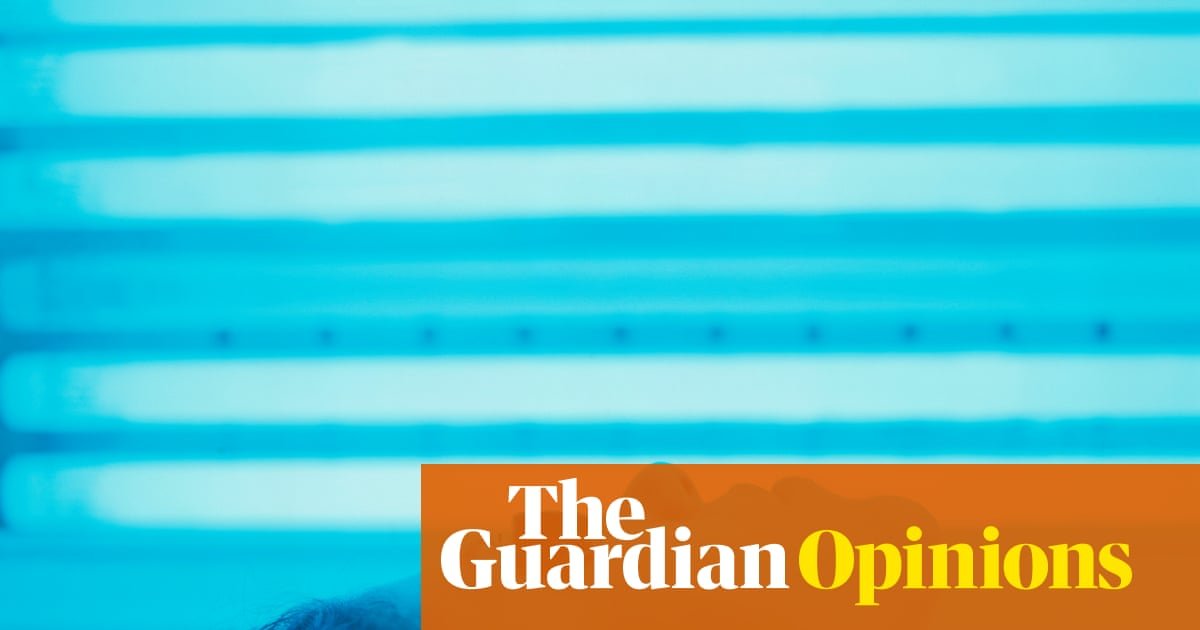
    ‘With skin cancer rates rising, and evidence that the existing ban on children using sunbeds is being flouted, it is unsurprising that cancer doctors think more should be done.’ Photograph: Getty
    Share
    Facebook Twitter LinkedIn Pinterest Email

    Calls by cancer experts to ban sunbeds in the UK will not be heeded straight away. So far, no minister or opposition party has signalled support for a step that many would regard as overly restrictive. Nor has the public been consulted. While World Cancer Research Fund (a British charity) supports a ban, Cancer Research UK has stuck to issuing warnings.

    But with skin cancer rates rising, and evidence that the existing ban on children using sunbeds is being flouted, it is unsurprising that cancer doctors think more should be done. The ban on children using commercial sunbeds in the UK was introduced in 2010. Since then, Australia has banned such businesses altogether. Prof Paul Lorigan and the other authors of an article in the British Medical Journal argue that a law like Australia’s would be the most cost-effective way of cutting melanoma cases – even if it included compensation for businesses. Evidence suggests that young women in deprived parts of northern England are at particular risk.

    As with other activities and products that are known to cause cancer or other illness, the alternative is tighter regulation and public education aimed at persuading people to make healthier choices. On tobacco, the UK has chosen a ban – albeit a gradual one, with a bill outlawing the sale of tobacco products to anyone born after 1 January 2009. The new law will also ban the sale of vapes to children, and further restricts advertising and smoking in public places. By contrast, on junk food and alcohol Labour has failed to live up to pre-election promises, with tighter rules on advertising delayed, and England so far not following Scotland with a minimum unit price for alcohol.

    Public health campaigners are only too aware of such inconsistencies. When it comes to the powerful food and drink industries, successive governments’ commitment to preventing illness is in tension with an avowedly pro-business approach.

    The question of exactly which risky activities should be banned will always be a difficult one in a liberal society. People take chances with their health and safety all the time, and value the opportunity to make their own choices and mistakes. But as health officials have pointed out in relation to high-risk cosmetic surgery, the UK’s free-to-use national health system makes the potential downsides of such decisions harder to brush off. Choices are not simply at an individual’s “own risk” when adverse consequences and costs are shared.

    With “sin taxes”, as they are known, another kind of cost-benefit analysis comes in. While the pleasure derived from alcohol, and the profits made from selling it, are two reasons why there is little appetite for restrictions, another is that the Treasury earns around £12.5bn in duties from sales each year.

    As with sunbeds, public health experts point out that poorer people are at highest risk from obesity and alcohol-related harms (though one recent survey found that those in wealthier families were more likely to have an addiction problem). Attempts to shift consumer behaviour must never be a substitute for tackling the socioeconomic determinants of poor health, including inadequate incomes and housing. But nor can the dangers to health from gambling, ultra-processed food, sunbeds and other risky products and services simply be ignored. If ministers want the public to trust them, prevention in healthcare needs to be more than a buzzword.

    Ban Calls Editorial Guardian hard healthcare prevention questions raises risks Sunbeds view
    Share. Facebook Twitter Pinterest LinkedIn Tumblr Email
    Previous ArticleGold prices scale record highs as investors seek safe haven | Gold
    Next Article Edgar Neufeld obituary | IBM
    onlyplanz_80y6mt
    • Website

    Related Posts

    Financial stability risks are rising as AI fuels cyber-attacks, IMF warns; oil below $100 on Iran peace hopes – business live | Business

    May 7, 2026

    Doctors’ union drops opposition to Cass review of NHS gender healthcare | Gender

    May 7, 2026

    The Guardian view on the Renters’ Rights Act: finally, protections fit for the modern housing market | Editorial

    May 6, 2026
    Add A Comment
    Leave A Reply Cancel Reply

    Top Posts

    Watch Lady Gaga’s Perform ‘Vanish Into You’ on ‘Colbert’

    September 9, 20251 Views

    Advertisers flock to Fox seeking an ‘audience of one’ — Donald Trump

    July 13, 20251 Views

    A Setback for Maine’s Free Community College Program

    June 19, 20251 Views
    Stay In Touch
    • Facebook
    • YouTube
    • TikTok
    • WhatsApp
    • Twitter
    • Instagram
    Latest Reviews

    At Chile’s Vera Rubin Observatory, Earth’s Largest Camera Surveys the Sky

    By onlyplanz_80y6mtJune 19, 2025

    SpaceX Starship Explodes Before Test Fire

    By onlyplanz_80y6mtJune 19, 2025

    How the L.A. Port got hit by Trump’s Tariffs

    By onlyplanz_80y6mtJune 19, 2025

    Subscribe to Updates

    Get the latest tech news from FooBar about tech, design and biz.

    Most Popular

    Watch Lady Gaga’s Perform ‘Vanish Into You’ on ‘Colbert’

    September 9, 20251 Views

    Advertisers flock to Fox seeking an ‘audience of one’ — Donald Trump

    July 13, 20251 Views

    A Setback for Maine’s Free Community College Program

    June 19, 20251 Views
    Our Picks

    The G.O.P. Rush To Break Up Majority-Black Districts

    The emerging cancer treatment that’s exciting scientists: ‘We’ve just scratched the surface on what’s possible’ | Cancer

    Fertiliser shortages to have dramatic effect on food prices, says Duke of Westminster’s firm | Supply chain crisis

    Recent Posts
    • The G.O.P. Rush To Break Up Majority-Black Districts
    • The emerging cancer treatment that’s exciting scientists: ‘We’ve just scratched the surface on what’s possible’ | Cancer
    • Fertiliser shortages to have dramatic effect on food prices, says Duke of Westminster’s firm | Supply chain crisis
    • ‘Empty and vapid’ CDC finally responds to hantavirus outbreak. But experts say it’s too little, too late | Hantavirus
    • ‘It’s David and Goliath’: how UK campaigners feel silenced by Slapps | Freedom of speech
    © 2026 naijaglobalnews. Designed by Pro.
    • About Us
    • Disclaimer
    • Get In Touch
    • Privacy Policy
    • Terms and Conditions

    Type above and press Enter to search. Press Esc to cancel.