

President Trump blasted followers on his social media platform Truth Social on Friday with this dire warning: “Don’t give Tylenol to your young child for virtually any reason.” This statement followed a highly publicized press conference last week in which he and the Secretary of Health and Human Services, Robert F. Kennedy, Jr., suggested—in contradiction to the best existing medical evidence—that acetaminophen, the active ingredient in Tylenol, causes autism when given to pregnant people or young children.
Why the president and HHS secretary are concentrating their efforts on this extremely common pain reliever and fever reducer is unclear and neither has cited much high-quality evidence for these claims. While there are a handful of studies showing a correlation between acetaminophen use in pregnancy and autism rates, this does not mean that the drug causes autism.
Tylenol is one of the only medications health care providers can prescribe to treat fever in pregnancy. Other pain relievers, such as ibuprofen (sold under brand names such as Advil) and other NSAIDs (nonsteroidal anti-inflammatory drugs), have been tied to an increased risk of miscarriage, so they are not generally recommended. And there is scant evidence that Tylenol increases the risk for autism—a complex spectrum of neurological conditions that have been linked to many genetic and environmental factors. Prolonged fevers themselves are associated with higher autism rates.
On supporting science journalism
If you’re enjoying this article, consider supporting our award-winning journalism by subscribing. By purchasing a subscription you are helping to ensure the future of impactful stories about the discoveries and ideas shaping our world today.
Meanwhile researchers have shown in numerous studies that acetaminophen (also known as paracetamol) is safe and effective in children. And it’s among the most widely prescribed drugs in kids: some European studies suggest that more than 90 percent of children have taken it at some point.
“There is no medication in pediatrics that has probably been given more times and in more doses in my 25-plus-year career than acetaminophen,” says Ian Paul, chief of pediatrics at Penn State Health. “There have been very well-done scientific studies that have looked at the safety and efficacy of that medication, and it has proven over and over and over again in recommended doses to be both safe and effective as a pain reliever and as a fever reducer.”
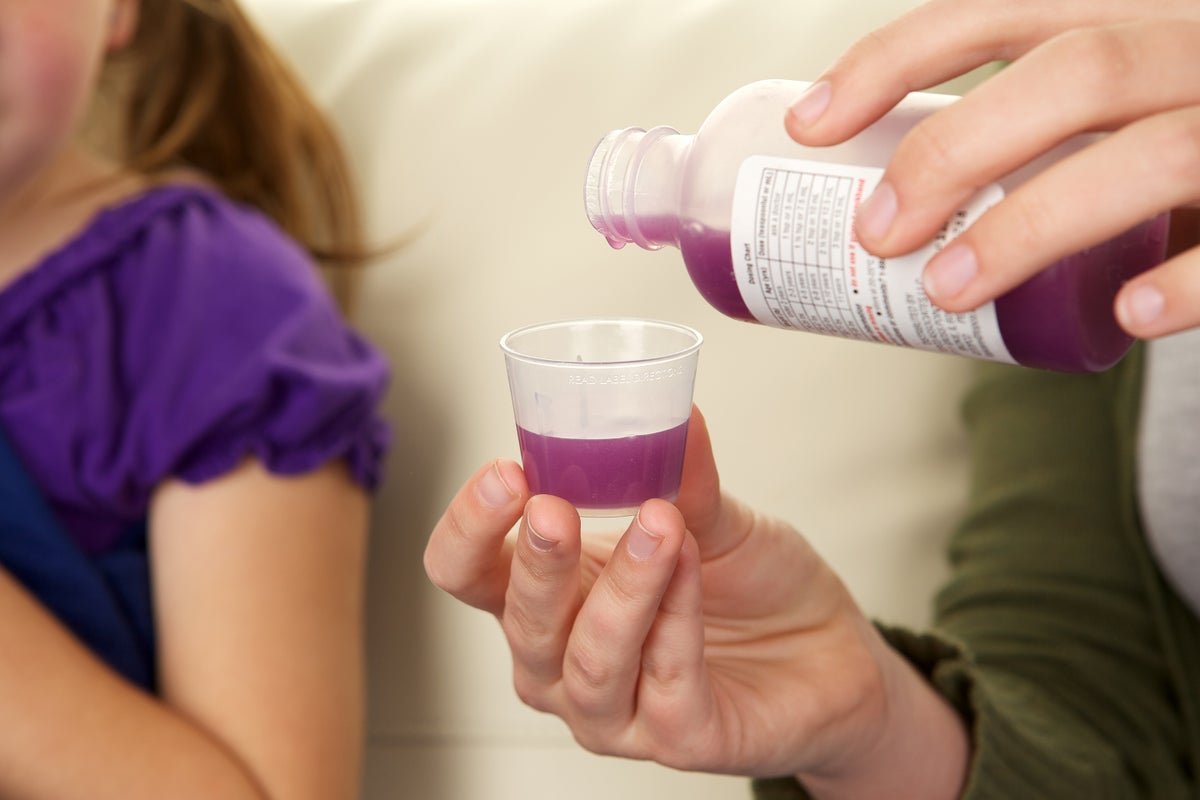
Doctors have widely prescribed acetaminophen to children for both fever and pain since the Food and Drug Administration approved the over-the-counter drug Tylenol in 1955, though scientists still don’t know exactly how it works. It is generally considered safe for use in children when parents or caregivers follow correct dosing instructions. But the American Academy of Pediatrics (AAP) says that babies under three months old should only take it under a physician’s instructions and at a dosage based on their weight.
“When their children are sick, parents and caregivers want to do everything they can to make their child feel better. In some cases, giving children medicine like acetaminophen may help them feel more comfortable,” J. Routt Reigart, Chair of the AAP’s Committee on Drugs, said in a statement. “There are times when medications may not be necessary, so parents should always talk with their child’s pediatrician if they have questions or concerns.”
Several researchers have published high-quality studies investigating whether acetaminophen can be used safely for children. A randomized controlled trial published in JAMA in 1995 looked at the risks of severe side effects such as gastrointestinal bleeding, kidney failure and anaphylaxis (a serious and possibly life-threatening allergic reaction) in more than 84,000 children in the U.S. who were randomly assigned to receive acetaminophen or ibuprofen to treat fever. The researchers found that only 1 percent of children were hospitalized (mostly for infectious diseases) and the risk of hospitalization was equally low for both treatment groups. There were no hospitalizations for acute kidney failure or anaphylaxis. A randomized clinical trial published in 1999 in Pediatrics that followed up on 27,000 of these children before age two found that the risk of these events was still low with either medication.
There are risks to high or prolonged fevers, such as seizures. With mild fevers, it is more important to treat the symptoms that come along with them—say, if a child is not eating or drinking, or is in pain—than the fever itself. Untreated pain or discomfort can also result in missed days of school or work.
Additional research has shown that taking acetaminophen during pregnancy does not increase the risk of autism. Researchers in Sweden published a study in JAMA last year of more than 2.4 million children born in the country from 1995 to 2019, 7 percent of whom were exposed to acetaminophen in the womb. When they controlled the data with siblings who were not exposed to the drug, the researchers found that acetaminophen exposure was not tied to an increased risk of autism, attention deficit hyperactivity disorder or intellectual disability in the child.
The fact that you don’t see 100 percent of kids develop autism after being exposed to acetaminophen in the womb should be an indication about its general safety with regard to neurodevelopmental effects, says Brian Lee, a professor of epidemiology at Drexel University, who co-authored the Swedish study.
Melissa Witt, a spokesperson for Kenvue, the manufacturer of Tylenol, shared the following statement with Scientific American: “We believe independent, sound science clearly shows that taking acetaminophen does not cause autism. We strongly disagree with any suggestion otherwise and are deeply concerned about the health risks and confusion this poses for expecting mothers and parents.”
“Acetaminophen is the safest pain reliever option for pregnant women as needed throughout their entire pregnancy,” the statement continued. “Without it, women face dangerous choices: suffer through conditions like fever that are potentially harmful to both mom and baby or use riskier alternatives.”
Like any drug, acetaminophen has its risks. At high levels it can cause liver toxicity, and children have died from accidental overdoses.
And even though acetaminophen is generally safe at prescribed doses, it’s possible that new evidence could show an adverse effect, and doctors are constantly evaluating the risks, Paul says. In recent decades, some studies suggested that frequent use of acetaminophen in adults was linked with asthma, but Paul and his colleagues conducted a randomized trial of 300 children with mild persistent asthma, published in 2016, that found that acetaminophen was linked to asthmatic episodes about as frequently as ibuprofen. During a follow-up period of more than 10 months, children who received acetaminophen for pain or fever had 0.81 asthma episodes on average, compared with 0.87 in the group that received ibuprofen.
“The science never stops,” Paul says. But for now, the evidence supports the safety of Tylenol. “I confidently gave it to my own children,” he says.
