

September 26, 2025
2 min read
Evolution Shocks Scientists in an Electric Battle against Invasive Bass
Scientists electrically culled invasive fish in a 20-year battle—but the fish fought back with rapid evolution
Ana Maria Tudor/Alamy Stock Photo
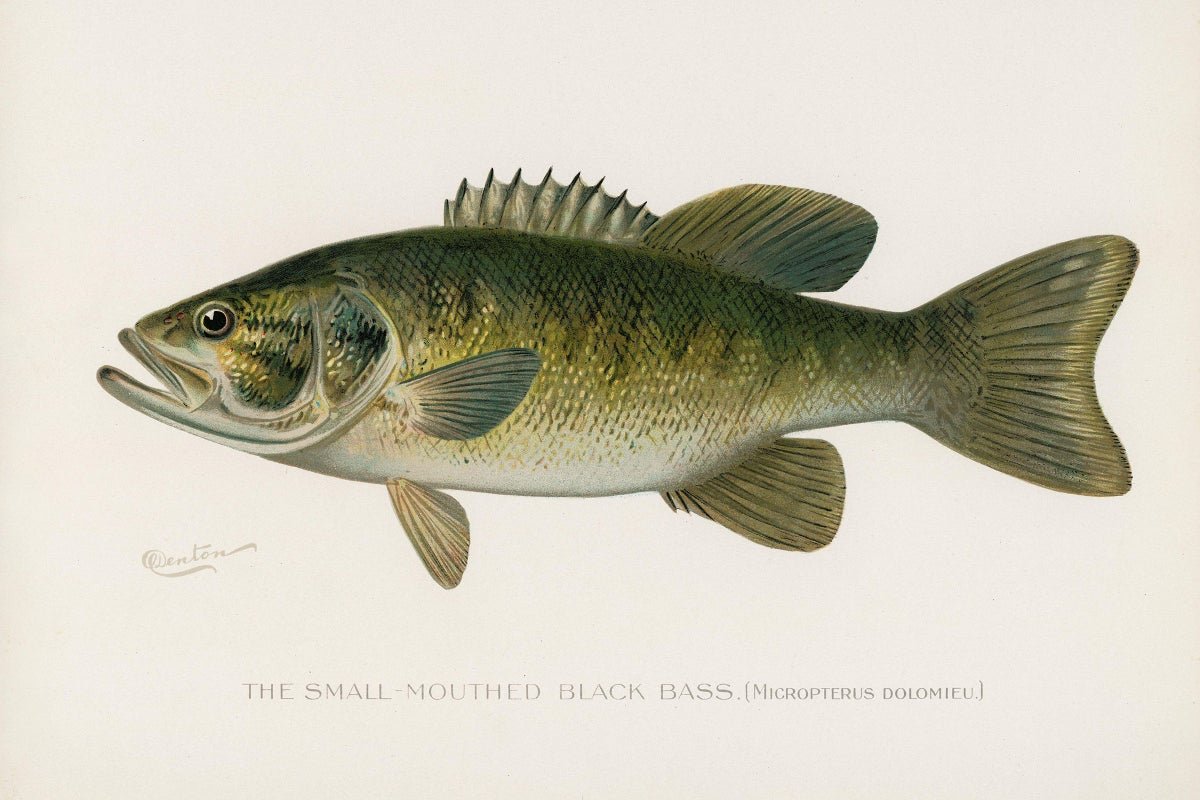
A group of Cornell University scientists have been outmaneuvered by a formidable (and genetically supercharged) adversary: the smallmouth bass of Little Moose Lake in New York State’s Adirondack Mountains.
The invasive—and drastically overpopulating—species prevailed over the scientists’ 20-year electric culling campaign by evolving to grow faster and spawn younger. This strategy let them reproduce before the scientists’ specially equipped boat took its twice-yearly lake cruise, electrically stunning all fish within several feet so the team could toss the bass into a cooler. (The other fish species were left to recover.) The lake’s bass population is now thriving in greater numbers than ever.
Smallmouth bass are among the hardest-fighting freshwater sport fishes, popular with anglers for the leaping acrobatics the fish perform trying to unhook themselves. In the late 1800s outdoor enthusiasts started introducing this adaptable, red-eyed predator into countless lakes and fishing holes, where it can often outcompete locals—including prized trout—for prey.
On supporting science journalism
If you’re enjoying this article, consider supporting our award-winning journalism by subscribing. By purchasing a subscription you are helping to ensure the future of impactful stories about the discoveries and ideas shaping our world today.
Little Moose’s native lake trout once grew to a whopping 35 pounds and could span three feet in length, but now the fully mature trout “are only nine inches long. They’re just totally stunted, and they’re not catchable by anglers,” says Liam Zarri, a molecular ecologist at the Smithsonian National Zoo and Conservation Biology Institute. While at Cornell, he identified the genetic effects of the attempted eradication and recently published the findings in the Proceedings of the National Academy of Sciences USA.
This bass species had the genes for a range of survival strategies before the culls started, Zarri says. But individual bass that were genetically predisposed to sexually mature relatively late and grow slowly into big, old, lake-dominating specimens didn’t survive the shock treatments. This left only “the individuals that live fast, die young—the all-out-motorcycle-riding smallmouth bass that reproduce as early as they can because they’re probably not going to make it to the next year,” he says.
Driving the species’ new life in the fast lane are chromosomes involved with growth rate and reproduction timing, Zarri explains. DNA sequences in these chromosomes are “wildly different,” he says, from those in tissue samples taken from Little Moose bass preserved before the electrofishing began. The changes spread through the population and culminated in an evolutionary backlash, “but the lesson isn’t about victory or defeat,” says Cornell geneticist Nina Therkilsden, who helped Zarri compare the genomes. “It’s about the need for conservation strategies that anticipate and work with evolution rather than against it.”
Stephanie Green, an ecologist who grapples with invasive species in Canada and wasn’t involved in the Cornell research, says varying the culls’ timing and frequency could make them less likely to fuel the rapid evolution—and the Cornell scientists say they’re actively considering such alternatives.
It’s Time to Stand Up for Science
If you enjoyed this article, I’d like to ask for your support. Scientific American has served as an advocate for science and industry for 180 years, and right now may be the most critical moment in that two-century history.
I’ve been a Scientific American subscriber since I was 12 years old, and it helped shape the way I look at the world. SciAm always educates and delights me, and inspires a sense of awe for our vast, beautiful universe. I hope it does that for you, too.
If you subscribe to Scientific American, you help ensure that our coverage is centered on meaningful research and discovery; that we have the resources to report on the decisions that threaten labs across the U.S.; and that we support both budding and working scientists at a time when the value of science itself too often goes unrecognized.
In return, you get essential news, captivating podcasts, brilliant infographics, can’t-miss newsletters, must-watch videos, challenging games, and the science world’s best writing and reporting. You can even gift someone a subscription.
There has never been a more important time for us to stand up and show why science matters. I hope you’ll support us in that mission.
