

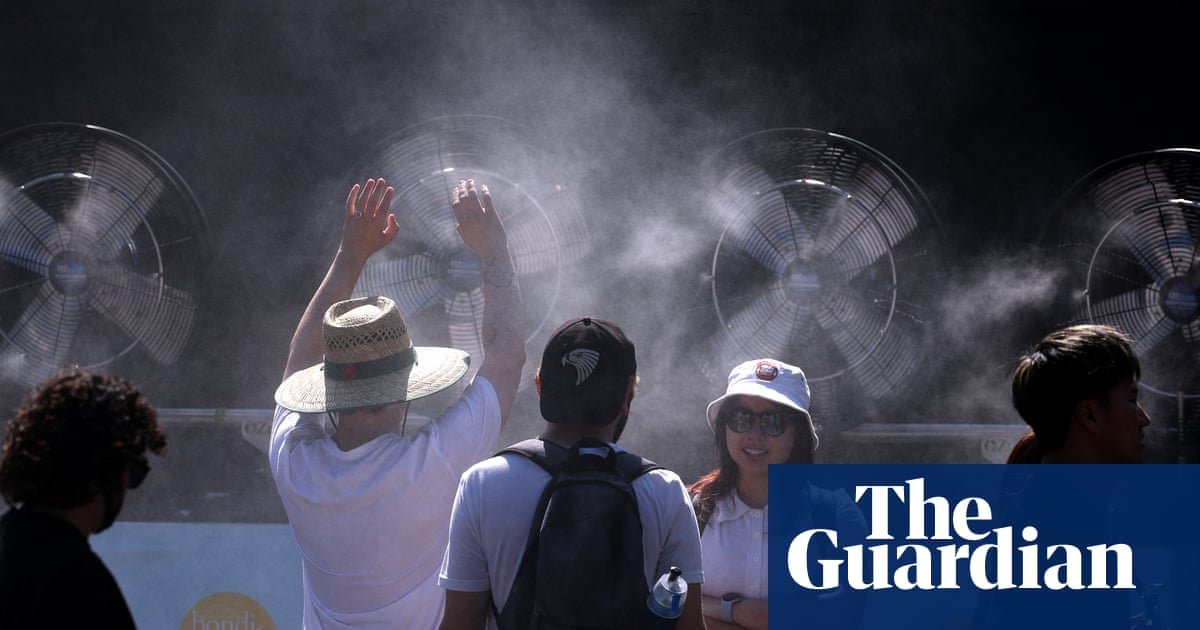
Heatwaves caused 1,009 deaths in Australia from 2016 to 2019 according to a new analysis led by researchers at Monash University.
As the national climate risk assessment identified heatwaves as the climate hazard causing the most deaths, the newly published study found Queensland and New South Wales were the states with the highest mortality rates attributable to heatwaves.
Lead author Prof Yuming Guo said the study was the first to take a granular look at the risk of heat-related deaths in local communities across Australia.
The researchers analysed 249,546 death records from 2016 to the end of 2019 – the country’s hottest year on record.
They looked at local temperature data and used statistical techniques to map heatwave-related mortality across 2,288 local communities.
Showing the annual heatwave-related attributable mortality rate (per 100,000 residents per year) in Australia for 2016–2019
They found 1,009 deaths could be attributed to heatwaves nationally over those four years, with an average of 1.08 deaths per 100,000 residents attributable to heatwaves each year. Heatwaves appeared to have a greater impact on cardiovascular and respiratory deaths than on cancer-related deaths, they said.
Queensland recorded the highest mortality rate, with 1.42 heat-related deaths per 100,000 residents per year, followed by NSW at 1.38 and the Northern Territory at 1.17. The lowest was Western Australia at 0.35, however there were pockets within the state, particularly to the north, where the mortality rate was higher.
Communities with higher proportions of elderly residents, gender imbalance, individuals needing assistance, and lower income or education experienced higher mortality burdens.
Showing the mean attributable mortality rates associated with heatwaves in Australia, grouped into demographic quintiles from lowest to highest
Guo said remote and rural areas also experienced higher mortality rates.
He said the study findings underscored the urgency of addressing climate-related health risks and helping people living in the communities most at risk to adapt.
“The trend for heatwaves is clear. There will be more and more, the intensity will be higher and higher, and they will appear earlier and earlier [in the year],” he said.
“If we don’t take action to help the population adapt to this increased risk there will be more health problems.”
The national climate risk assessment, published this week, suggests annual heat-related deaths at 2C of warming would go up by 190% in Sydney and 126% in Melbourne compared with today’s levels.
If global heating was allowed to reach 3C, then heat-related mortality would rise by 444% in Sydney and 259% in Melbourne.
Dr Kimberly Humphrey is an emergency medicine specialist, public health doctor and a board member of Doctors for the Environment.
skip past newsletter promotion
Sign up to Clear Air Australia
Adam Morton brings you incisive analysis about the politics and impact of the climate crisis
Privacy Notice: Newsletters may contain information about charities, online ads, and content funded by outside parties. If you do not have an account, we will create a guest account for you on theguardian.com to send you this newsletter. You can complete full registration at any time. For more information about how we use your data see our Privacy Policy. We use Google reCaptcha to protect our website and the Google Privacy Policy and Terms of Service apply.
after newsletter promotion
She said emergency rooms were already seeing increased hospital presentations as Australia experienced more days of extreme heat.
“We have patients with direct heat-related illness such as heatstroke, dehydration – the direct impacts of heat we see for example when someone is working on a construction site or playing on a sporting field in 45C,” she said.
Humphrey said there were increased numbers of patients in a “more hidden group”.
“These are the patients where we can’t definitively say, yes, it’s because of the heatwave, but where we know we see an increase in presentations: patients with respiratory problems, heart attacks, other cardiovascular disease,” she said.
“We also see more presentations due to mental illness, kidney disease, accidental injury generally and gender-based violence during heatwaves.”
Humphrey said global heating was compounding problems in Australia’s under-pressure health services and health workers witnessed the ways in which the climate crisis disproportionately affected vulnerable communities – something highlighted by the study.
“We see the human face of suffering – people who can’t afford to run their air conditioning, people who can’t afford to run their car and have to walk in 40 degrees and housing that’s just not fit for our climate as it’s changing,” she said.
Lesley Hughes, professor emerita and a councillor with the Climate Council, said heatwaves were often called a “silent killer” because they did not leave the visible scars that other disasters, such as bushfires and floods, had on a landscape.
“That heatwaves are our biggest extreme weather killer is something that people need to understand and take heed of – at a personal level as well as at a community and government level,” she said.
