
Close Menu

    Subscribe to Updates

    Get the latest creative news from FooBar about art, design and business.

    What's Hot

    Super-sniffer aeroplane finds oil fields’ hidden emissions

    Great Grants Need Far Away Deadlines

    The science behind why some auroras have such stunning wave patterns

    Facebook X (Twitter) Instagram
    Facebook X (Twitter) YouTube LinkedIn
    Naija Global News |
    Sunday, February 8
    • Business
    • Health
    • Politics
    • Science
    • Sports
    • Education
    • Social Issues
    • Technology
    • More
      • Crime & Justice
      • Environment
      • Entertainment
    Naija Global News |
    You are at:Home»Science»People gathered for great meat feasts at end of British bronze age, study shows | Archaeology
    Science

    People gathered for great meat feasts at end of British bronze age, study shows | Archaeology

    onlyplanz_80y6mtBy onlyplanz_80y6mtSeptember 10, 2025003 Mins Read
    Share Facebook Twitter Pinterest LinkedIn Tumblr Email
    People gathered for great meat feasts at end of British bronze age, study shows | Archaeology
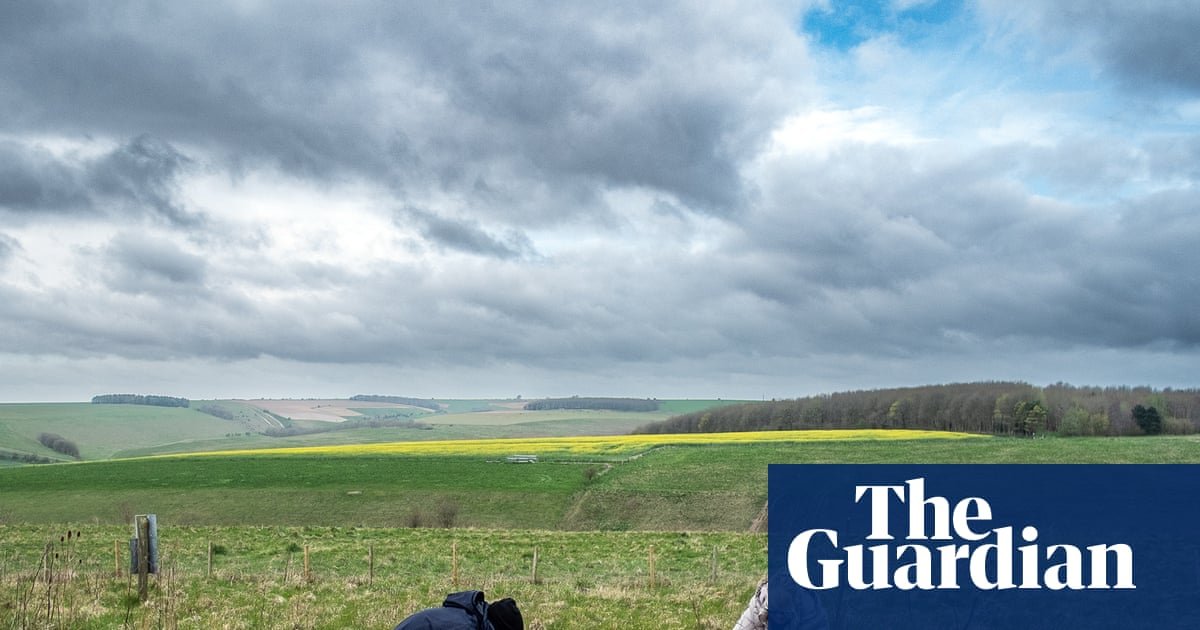
    One of the midden sites being excavated. Evidence suggests people travelled from far and wide, much like modern festivals. Photograph: Cardiff University/Richard Madgwick.
    Share
    Facebook Twitter LinkedIn Pinterest Email

    These days, revellers converge on the West Country from all parts of the UK and beyond to take part in the wonderful craziness of the Glastonbury festival.

    It turns out that at the end of the bronze age – also a time of climatic and economic crisis – the same sort of impulse gripped people.

    Experts have been examining animal bones excavated at middens (large prehistoric rubbish tips) in Wiltshire and the Thames Valley and found evidence suggesting that more than 2,000 years ago, people travelled from far and wide to congregate for great meat feasts.

    They have discovered evidence that bronze age people were habitually driving large numbers of pigs and cattle hundreds of miles to the same sites for decades.

    Collected feasting debris of pottery and bone. Photograph: Cardiff University/Richard Madgwick.

    Richard Madgwick, who is based at Cardiff University’s school of history, archaeology and religion, said the findings pointed to an “age of feasting”.

    “At a time of climatic and economic instability, people in southern Britain turned to feasting,” he said.

    Madgwick said the events were probably ways of building and consolidating relationships within and between communities. “I’m pretty sure these gatherings would have had a really important role to play in creating some degree of community cohesion at a time of trouble.”

    Just as modern festivals have different vibes and appeal to varied audiences, the discoveries at the middens suggest the feasting spots had individual characteristics.

    The largest that was examined, at Potterne, near Devizes in Wiltshire, is packed with feasting remains, including up to 15m bone fragments.

    Another of the sites, which can contain millions of bone fragments, being excavated Photograph: Cardiff University/Richard Madgwick.

    There, pork was the meat of choice, with pigs brought in from a wide catchment area including Wales, Cornwall and Devon and central northern or north-west England.

    Further east, Runnymede in Surrey was another significant gathering point but the people there appear to have been favouring beef, with cattle arriving in large numbers from Wales and Cornwall/Devon.

    At East Chisenbury, about 10 miles from Stonehenge, the number of sheep remains suggest mutton may have been the meat of choice and the research shows the majority of the animals came from the immediate surroundings.

    Remains found at East Chisenbury suggest mutton may have been the meat of choice there. Photograph: Cardiff University/Richard Madgwick.

    It was a difficult time when the climate was getting wetter and the status of bronze appears to have been being downgraded.

    Madgwick said the Potterne and Runnymede people may have been reacting to this by organising large gatherings, welcoming in outsiders, while those living in East Chisenbury seemed more determined to keep things local and make the most of what they had there. “Each little community is reacting to this time of instability differently,” he said.

    For the study, the scientists used multi-isotope analysis, a rapidly developing method in archaeology. Each geographical area has a different chemical make-up and this permeates into the water and food grown there. As animals eat and drink, these regional markers remain locked in their bones, allowing researchers to trace where they were reared centuries later.

    Scientists used cutting-edge multi-isotope analysis for the study. Photograph: Cardiff University/Richard Madgwick.

    Madgwick said the middens were huge and the volume of material there staggering. “We’re talking about millions and millions of bone fragments, potentially hundreds of thousands of animals.”

    • The paper describing the work is called Diverse feasting networks at the end of the Bronze Age in Britain (c. 900-500 BCE) evidenced by multi-isotope analysis and is published in the journal iScience.

    age Archaeology British bronze Feasts gathered great meat people shows study
    Share. Facebook Twitter Pinterest LinkedIn Tumblr Email
    Previous ArticleUS tariff tensions hit Chinese export growth | Business
    Next Article Cyberattacks Are a Big Problem. Can Schools Manage Without Federal Help?
    onlyplanz_80y6mt
    • Website

    Related Posts

    Super-sniffer aeroplane finds oil fields’ hidden emissions

    February 8, 2026

    Great Grants Need Far Away Deadlines

    February 8, 2026

    Briefing Chat: 'External lungs' keep man alive for 48 hours until transplant

    February 8, 2026
    Add A Comment
    Leave A Reply Cancel Reply

    Top Posts

    Watch Lady Gaga’s Perform ‘Vanish Into You’ on ‘Colbert’

    September 9, 20251 Views

    Advertisers flock to Fox seeking an ‘audience of one’ — Donald Trump

    July 13, 20251 Views

    A Setback for Maine’s Free Community College Program

    June 19, 20251 Views
    Stay In Touch
    • Facebook
    • YouTube
    • TikTok
    • WhatsApp
    • Twitter
    • Instagram
    Latest Reviews

    At Chile’s Vera Rubin Observatory, Earth’s Largest Camera Surveys the Sky

    By onlyplanz_80y6mtJune 19, 2025

    SpaceX Starship Explodes Before Test Fire

    By onlyplanz_80y6mtJune 19, 2025

    How the L.A. Port got hit by Trump’s Tariffs

    By onlyplanz_80y6mtJune 19, 2025

    Subscribe to Updates

    Get the latest tech news from FooBar about tech, design and biz.

    Most Popular

    Watch Lady Gaga’s Perform ‘Vanish Into You’ on ‘Colbert’

    September 9, 20251 Views

    Advertisers flock to Fox seeking an ‘audience of one’ — Donald Trump

    July 13, 20251 Views

    A Setback for Maine’s Free Community College Program

    June 19, 20251 Views
    Our Picks

    Super-sniffer aeroplane finds oil fields’ hidden emissions

    Great Grants Need Far Away Deadlines

    The science behind why some auroras have such stunning wave patterns

    Recent Posts
    • Super-sniffer aeroplane finds oil fields’ hidden emissions
    • Great Grants Need Far Away Deadlines
    • The science behind why some auroras have such stunning wave patterns
    • In your face: Close-up Photographer of the Year Awards 2026 – in pictures
    • The sneeze secret: how much should you worry about this explosive reflex? | Health
    © 2026 naijaglobalnews. Designed by Pro.
    • About Us
    • Disclaimer
    • Get In Touch
    • Privacy Policy
    • Terms and Conditions

    Type above and press Enter to search. Press Esc to cancel.