

From 1945 to 1951, a Labour government, struggling to pay down Britain’s war debts in what became known as the “age of austerity”, created Britain’s welfare state, pioneered a free National Health Service and implemented family allowances. In the 1970s, facing an oil shock and rising deficits, Labour introduced child benefit for 7 million families. By 2010, despite a global financial crisis, the government had raised tax credits from zero in 1997 to £30bn, taking millions of pensioners and children out of poverty.
It is to the credit of Keir Starmer and Rachel Reeves that within days of entering office, they set up the child poverty review with a remit to ensure an “enduring reduction in child poverty in this parliament”. Now, for a fraction of that £30bn spent in 2010, they can resume Labour’s historic role and ultimately take 500,000 children out of poverty without dropping manifesto commitments.
As a former chancellor who understands why it matters to balance the books, I sympathise with Reeves’s fiscal inheritance. This autumn, as growth is hit by tariffs and trade restrictions, and the fiscal position weakens as we come to terms with defence requirements, a history of low productivity and steep interest payments, the window for long-promised social improvements might appear to be closing. But having been invited to respond to the government’s consultations on both child poverty and gambling taxation – and following recent reports from the Social Market Foundation and the Institute for Public Policy Research (IPPR) – it’s clear that we can identify sources of revenues to fight the war against child poverty. The first step is raising billions by taxing the extraordinarily profitable gambling and betting industry, without affecting lotteries or bingo.
There is an urgent need to act. I have not seen such deep poverty since I grew up in a mining and textiles town where unemployment was starting to bite hard. Now, each night, 1 million children in the UK try to sleep without a bed of their own. Two million households live without cookers, fridges or washing machines, and many are without toothpaste, soap or shampoo. It is heartbreaking that 3 million children go without meals because their families run out of food. The decisions of previous Tory governments have pushed 4.5 million children into poverty. This is a national scandal and a stain on our country’s soul. Britain is now enduring the worst levels of child poverty since modern records began, even worse than in the Thatcher-Major years, and far worse than in most European countries. Yet without action to improve family incomes, the numbers will, on the government’s own definition of poverty, rise to a wholly unacceptable 4.8 million children by 2029.
These are austerity’s children, the victims of 14 years of Tory rule, an era whose most vindictive act was to treat newborn third and fourth children as second-class citizens, depriving them of all the income support available to their first and second siblings. By next year, every other child in cities such as Manchester and Birmingham will be condemned to poverty. In 2010, the Trussell Trust ran 35 food banks in the UK. Now, along with independent ones, there are 2,800. Since the election, the number of homeless children in temporary accommodation in England has risen by 17,510 to 169,050.
This summer, Dickensian levels of poverty have been reported by the children’s commissioner. If we look into the eyes of these young Britons, we won’t like what we see: instead of a generation filled with optimism about the future, we’ll see among too many a deep, impenetrable sadness reflecting a loss of hope. Yet without action the government will have little chance of meeting its well-publicised target that 75% of children will be ready for school at age five.
Keir Starmer says he wants to cut child poverty before next election – video
The child poverty review, when it is published, will deserve credit for proposing more breakfast clubs, free school lunches, family hubs and additional childcare. Moving thousands into better-paid jobs will also help. Sadly, however, none of these measures will prevent child poverty continuing to rise. School lunches are worth £12 a week per child, and breakfast clubs £9 a week, but under the two-child benefit cap families have lost £66 a week for their third child. If they have a fourth child, the total is £132 a week.
The Conservative party cultivated the myth that poverty is the fault of work-shy parents and a culture of dependency. Yet 70% of children in poverty live in families where someone is working but on pay too low to make ends meet. Many of the rest are single parents unable to work because they cannot afford childcare or are coping with illness in the family. Abolishing the two-child rule – what the children’s commissioner says has to be “the foundation for all else” – would cost £2bn in 2025-26 and £2.8bn by the end of the parliament. As the Resolution Foundation has shown, almost 500,000 children can be lifted out of poverty by 2029-30 at a total cost of £3.5bn.
Inaction will cost more. Currently, local authorities and the NHS are picking up huge bills for ill health, homelessness and the cost of supporting children in care. For every 100,000 children, each 1% increase in child poverty forces an additional five of them into care. Each child looked after by the care system costs an estimated £1.2m in terms of lost productivity and their use of public services.
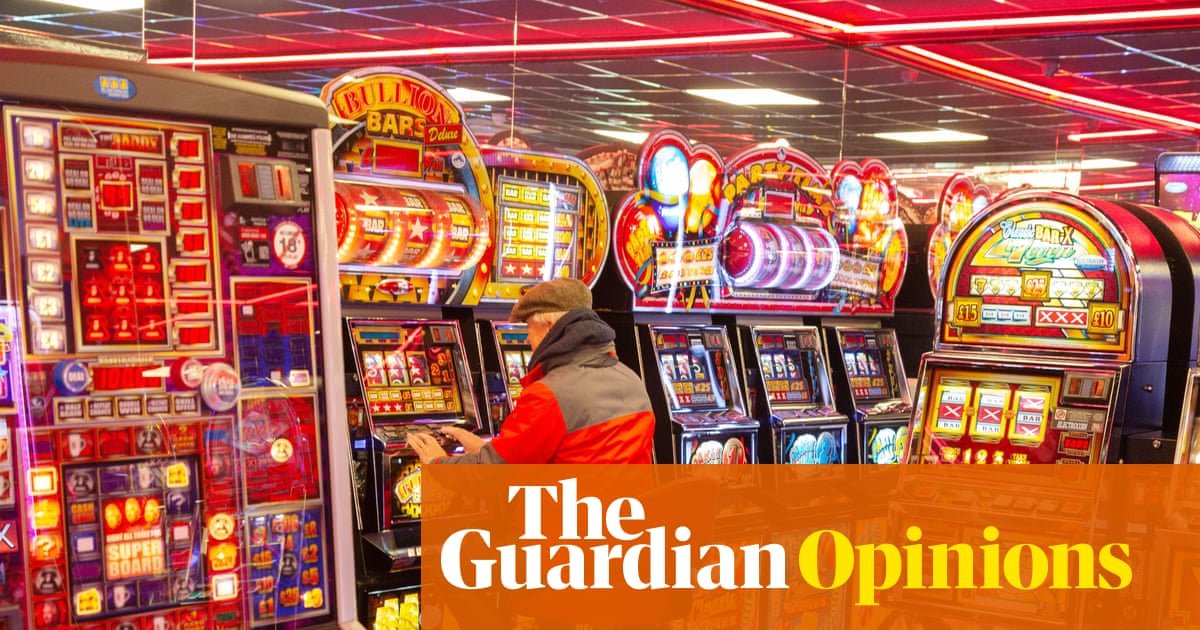
Excluding the lottery, betting and gaming was an £11.5bn sector last year that incurred only £2.5bn in tax. As much as £3bn extra can be raised from taxing it properly. Remote gaming duty (effectively the tax on online slots games) is about 35% in the Netherlands, 40% in Austria, 50% in Pennsylvania and 57% in tax haven Delaware, two of the few US states where it is legal. Yet the same activity is taxed at just 21% in the UK, raising only £1bn. Applying a 50% levy – much less than the 80% tax on cigarettes and the 70% tax on whisky – would raise £1.6bn more. Raising the general betting duty on bookmakers’ profits from 15% to 25% could generate an additional £450m, after returning £100m as additional support to boost the horseracing industry.
To achieve parity with their online equivalents, machine game duty payable on the revenue from in-person slot machines should also increase from 25% to 50%. According to IPPR estimates, this would raise an additional £880m.
The government could then start to reduce child poverty. Unlike almost all other businesses, most gaming and betting is exempt from VAT. Its most addictive practices are responsible for social harm that costs the NHS and other public services more than £1bn a year.
Gambling levies aren’t the only source of revenue that could pay to alleviate child poverty. But this should be one straightforward budget choice. The government can fulfil today’s unmet needs by taxing an undertaxed sector. Gambling won’t build our country for the next generation, but children, freed from poverty, will.
Do you have an opinion on the issues raised in this article? If you would like to submit a response of up to 300 words by email to be considered for publication in our letters section, please click here.
