
Close Menu

    Subscribe to Updates

    Get the latest creative news from FooBar about art, design and business.

    What's Hot

    The Federal Choice Program Is Here. Will It Help Public School Students, Too?

    OpenClaw AI chatbots are running amok — these scientists are listening in

    Can Embattled Women’s and Gender Studies Programs Survive?

    Facebook X (Twitter) Instagram
    Facebook X (Twitter) YouTube LinkedIn
    Naija Global News |
    Sunday, February 8
    • Business
    • Health
    • Politics
    • Science
    • Sports
    • Education
    • Social Issues
    • Technology
    • More
      • Crime & Justice
      • Environment
      • Entertainment
    Naija Global News |
    You are at:Home»Environment»Brains React to Signs of Illness—Even When It’s Not Real
    Environment

    Brains React to Signs of Illness—Even When It’s Not Real

    onlyplanz_80y6mtBy onlyplanz_80y6mtAugust 1, 2025003 Mins Read
    Share Facebook Twitter Pinterest LinkedIn Tumblr Email
    Brains React to Signs of Illness—Even When It’s Not Real

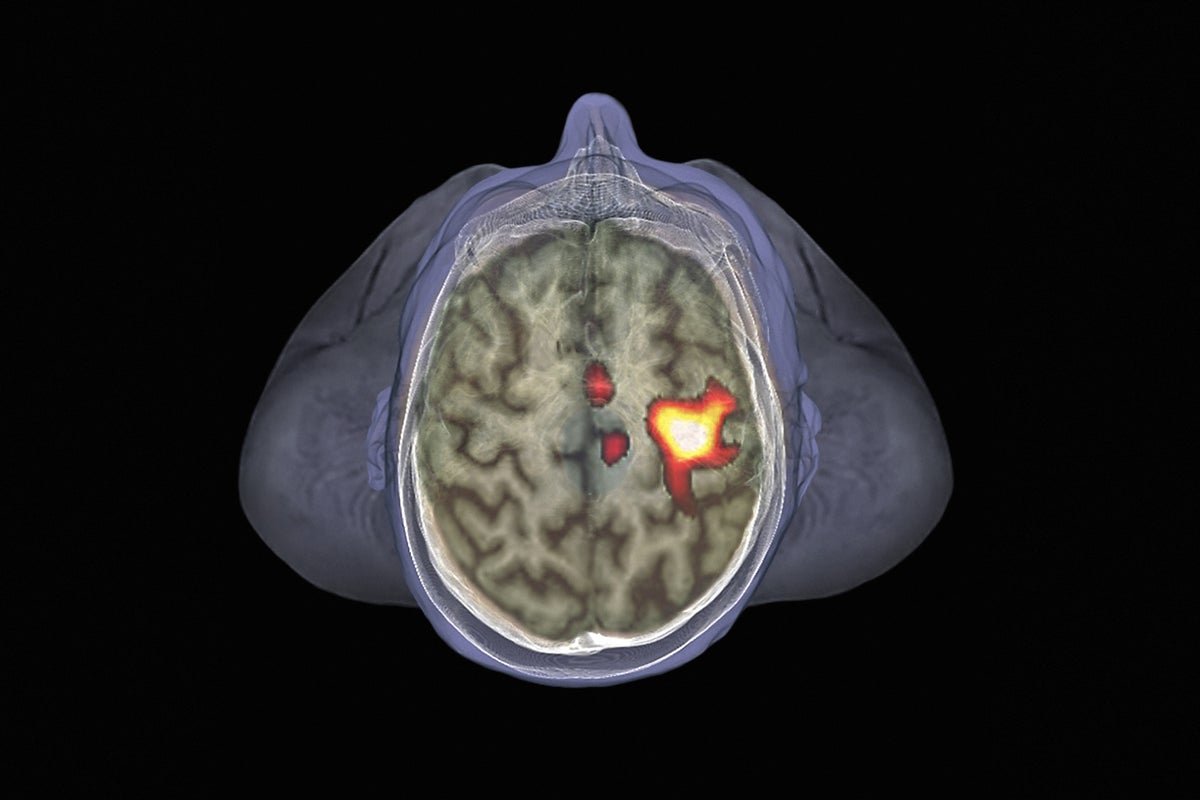
    Brain areas that help to monitor the envelope of space close to a person are involved in firing up immune cells when infection threatens.

    Zephyr/Science Source

    Share
    Facebook Twitter LinkedIn Pinterest Email

    The Brain Fires Up Immune Cells When Sick People Are Nearby

    When people viewed virtual avatars with coughs or rashes, their brain triggered an immune response

    By Katie Kavanagh & Nature magazine

    Brain areas that help to monitor the envelope of space close to a person are involved in firing up immune cells when infection threatens.

    The brain activates front-line immune cells in response to the mere sight of a sick person, mimicking the body’s response to an actual infection, a study shows.

    The results required the use of brain scans and blood tests, as well as less conventional technology: gaming kit. Study volunteers donned virtual reality (VR) headsets to view human avatars with rashes, coughs or other symptoms of illness — avoiding the need to expose volunteers to pathogens.

    The results illustrate the power of the brain “to predict what is going on [and] to select the proper response”, says study co-author Andrea Serino, a neuroscientist at the University Hospital of Lausanne, Switzerland.

    On supporting science journalism

    If you’re enjoying this article, consider supporting our award-winning journalism by subscribing. By purchasing a subscription you are helping to ensure the future of impactful stories about the discoveries and ideas shaping our world today.

    The study was published 28 July in Nature Neuroscience.

    Getting ahead

    The immune system reacts promptly to infections, but it can’t always move fast enough to prevent serious illness. That means it would be useful for the body to realize that an infection is possible and mount a pre-emptive response.

    To study humans’ ability to anticipate a pathogen attack, Serino and his colleagues outfitted healthy volunteers with Google’s Oculus Rift headsets and showed them avatars that approached closer and closer, although the avatars never ‘touched’ the participants. Some avatars showed signs of having an infectious illness; others were controls that looked healthy.

    Another group of volunteers did not see the avatars but received an influenza vaccination, representing exposure to an actual pathogen.

    The scientists found that the approach of an infectious avatar fired up brain areas linked to personal space — the region immediately surrounding the body. Next came a surge of activity in the brain’s ‘salience network’: a collection of regions that is involved in recognizing important events, including threats, and responding to them.

    That brain activity triggered an increase in the frequency of immune defenders called innate lymphoid cells, which are part of the body’s first line of defence against invaders. The frequency of these cells was higher in participants approached by infectious avatars than those approached by controls. The immune activity in those approached by infectious avatars mirrored that of participants who received an influenza vaccine.

    Beautiful teamwork

    “The virtual-reality aspect of this is really interesting,” says Isaac Chiu, an immunologist at Harvard Medical School in Boston, Massachusetts, who was not involved in the study. The results are an example of the teamwork between “two of the most complex systems of the body”, Chiu says. “They coordinate responses with each other because both systems interface with the environment and establish protection against potential dangers like pathogens.”

    The researchers say that the findings could help to improve vaccines: VR might be able to increase activation of the immune cells that are targeted by vaccines, the authors say. That could boost the immune response to vaccines, and, therefore, their efficacy.

    This article is reproduced with permission and was first published on July 29, 2025.

    Brains IllnessEven React real signs
    Share. Facebook Twitter Pinterest LinkedIn Tumblr Email
    Previous ArticleTrump signs executive order to bring back presidential fitness test in schools | Donald Trump
    Next Article Heathrow submits ‘shovel-ready’ plans for third runway | Heathrow third runway
    onlyplanz_80y6mt
    • Website

    Related Posts

    If the universe is expanding, how can galaxies collide?

    February 7, 2026

    Chance of El Niño forming in Pacific Ocean may push global temperatures to record highs in 2027 | El Niño southern oscillation

    February 7, 2026

    Are seahawks real? The science behind Seattle’s Super Bowl team

    February 7, 2026
    Add A Comment
    Leave A Reply Cancel Reply

    Top Posts

    Watch Lady Gaga’s Perform ‘Vanish Into You’ on ‘Colbert’

    September 9, 20251 Views

    Advertisers flock to Fox seeking an ‘audience of one’ — Donald Trump

    July 13, 20251 Views

    A Setback for Maine’s Free Community College Program

    June 19, 20251 Views
    Stay In Touch
    • Facebook
    • YouTube
    • TikTok
    • WhatsApp
    • Twitter
    • Instagram
    Latest Reviews

    At Chile’s Vera Rubin Observatory, Earth’s Largest Camera Surveys the Sky

    By onlyplanz_80y6mtJune 19, 2025

    SpaceX Starship Explodes Before Test Fire

    By onlyplanz_80y6mtJune 19, 2025

    How the L.A. Port got hit by Trump’s Tariffs

    By onlyplanz_80y6mtJune 19, 2025

    Subscribe to Updates

    Get the latest tech news from FooBar about tech, design and biz.

    Most Popular

    Watch Lady Gaga’s Perform ‘Vanish Into You’ on ‘Colbert’

    September 9, 20251 Views

    Advertisers flock to Fox seeking an ‘audience of one’ — Donald Trump

    July 13, 20251 Views

    A Setback for Maine’s Free Community College Program

    June 19, 20251 Views
    Our Picks

    The Federal Choice Program Is Here. Will It Help Public School Students, Too?

    OpenClaw AI chatbots are running amok — these scientists are listening in

    Can Embattled Women’s and Gender Studies Programs Survive?

    Recent Posts
    • The Federal Choice Program Is Here. Will It Help Public School Students, Too?
    • OpenClaw AI chatbots are running amok — these scientists are listening in
    • Can Embattled Women’s and Gender Studies Programs Survive?
    • Snakes on a train? King cobras may be riding the rails in India
    • If the universe is expanding, how can galaxies collide?
    © 2026 naijaglobalnews. Designed by Pro.
    • About Us
    • Disclaimer
    • Get In Touch
    • Privacy Policy
    • Terms and Conditions

    Type above and press Enter to search. Press Esc to cancel.